Software
Houzz Logo Print
glyphosatedamage

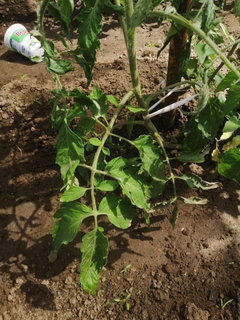
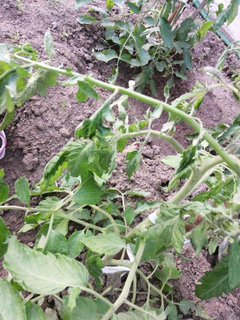
Tomato leaves at the top = turned yellow?

6 years ago
last modified: 6 years ago


Hi,

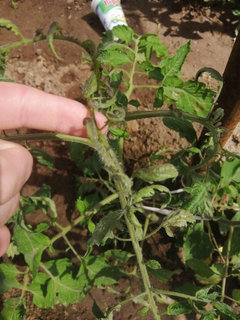
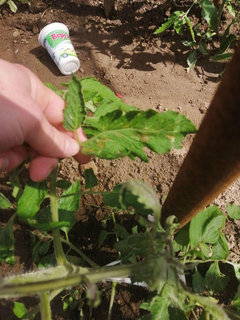
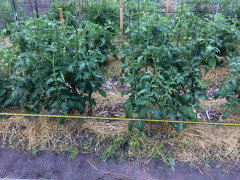
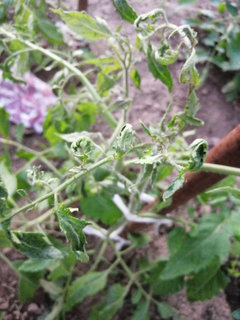
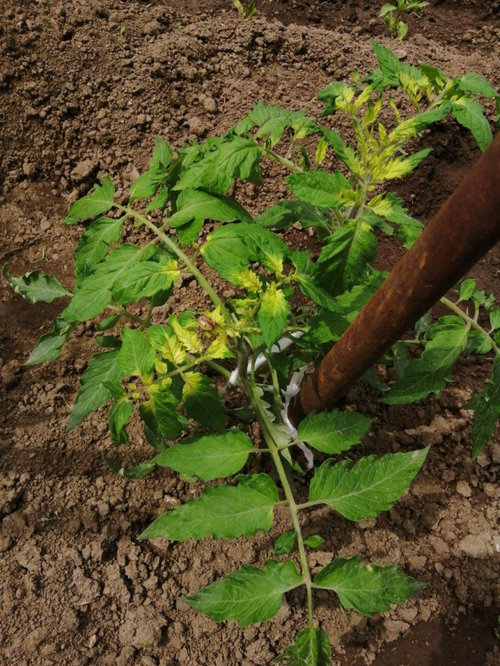
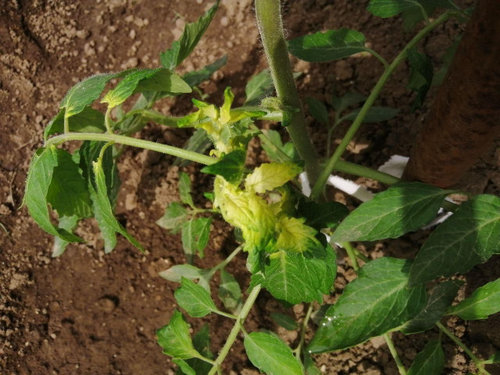
This is my first year growing tomatoes, and a couple of days ago I saw this happen to the top leaves of some of my tomato plants right in the middle of all my planted tomatoes. My research says that this Chlorosis could be a symptom of glyphosate injury. Or it could be a iron (or maybe magnesium) deficiency. But the strange part is that the damaged plants are clearly right in the middle of the planted plants. Pretty much none of the other ones have this. On a side note all of the yellow leaves are also on the newer planted plants. The old tomatoes have green leaves.

Thank you for your help!


Comments (38)

  • 6 years ago
    last modified: 6 years ago
    Mine get a little pale after transplanting but this is more dramatic than what I've seen. How have the temperature and rain conditions been?

    Maybe Iron deficiency? Do you know what your pH is?


  • 6 years ago
    last modified: 6 years ago
    It's not glyphosate damage or a magnesium problem, its an Iron deficiency. I see it all the time when my plants sit in a pot to long (I grow my own from seed early) and when I plant them it goes away. But before I plant (take note) I use a starter fertilizer containing Iron, Manganese, boron, zinc and copper while the roots grow. I also add Calcium, Magnesium and sulfur (sulfate).

    Now your problem may come from the pot, or the planting soil, or you over watered the plant the day those leaf cells were forming (anaerobic conditions effect Iron uptake), something effected uptake of Iron, but the first sign of recovery will be re-greening of the veins if it was a past Iron problem. If new leaves continue to yellow in the same pattern and the present effected leaves become bleached you have a present Iron problem needing amendments to the soil, but I doubt it will be necessary.

    FYI, the starter fertilizer I use is plain old grass starter 7-13-9 with micro nutrients and I only use it only once at planting at a rate of 1.2 oz per plant along with a proprietary blend of additional additives, but I switch to other fertilizer blends once the tomato plant is established and change the blend based on the growth stage the plants are in.

  • 6 years ago

    Root rot right? Overwatering. Gloppy, saturated soil.

  • 6 years ago
    last modified: 6 years ago
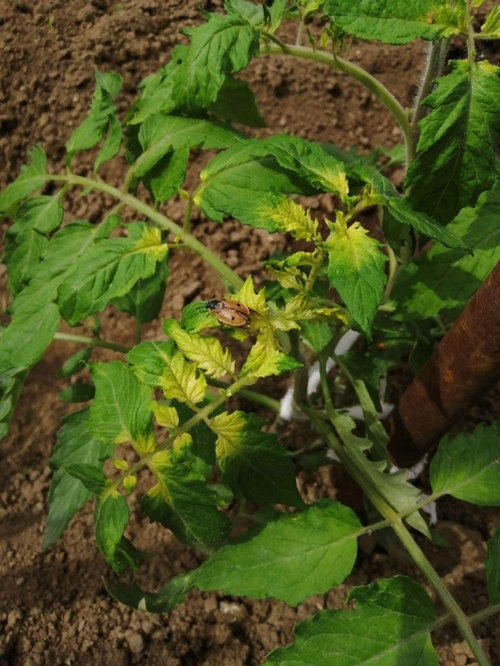
    The leaves don't all really look pale, it's more prevalently looking like a bright yellowish color. We've had a bunch of rain after a bit of a drought, yes, but it seems most of the tomatoes are doing fine, it's only at 3 spots (about 5-6 tomatoes since they are companion grown tomatoes) that are having these yellow leaves only at the top. It really looked to me like the glyphosate damage (i mean this first picture here is almost an exact picture of my tomatoes) pictures I saw online. Or a bacterial problem like e-coli/salmonella? I also saw pictures of that, that look closer to what I'm seeing on the tomatoes. Most deficiencies like magnesium or iron deficiencies even, the vein of the leaves are usually intact and green, and only the ends of the leaf go yellow, and the yellow color is not just in one spot, it evenly spreads out throughout the leaf. This yellow color seems saturated and it mostly sits at the beginning of the leaf. Another key element of these companion tomatoes is that I did bury greens between them (broccoli and broccoli leaves, avocado,etc). I did feel guilty about that since that compost didn't go through any heat/did not cook in a compost bin. So it could be a bacteria,or something related to iron.

  • 6 years ago

    My vote goes to herbicide. Is it stunted?

  • 6 years ago
    last modified: 6 years ago
    If the problem is herbicide damage there is nothing you can do. I'm 100% positive its not a magnesium deficiency. but you mentioned e-coli/salmonella damage and I've never read, seen or heard of such a thing but investigated the idea and looked into the subject.

    I read a research study published by the NCBI from Purdue University with a surprising conclusion and pictures of test plants. The test plants had damage but were not anything like the damage your plants have. The photos can be seen at the near bottom of the page in the link.

    https://www.ncbi.nlm.nih.gov/pmc/articles/PMC5023275/

    In the introduction they did say between 1996 to 2008 there were 14 (17% of 82) food borne illness outbreaks linked to tomatoes but only a few were traced to the farm and the rest were contaminated later in the processing of the tomatoes.

    So soil related contamination is rare, but it is possible and in the conclusion of the study they did state: "Poor plant health or poor fruit bearing capabilities could provide a visible indication of contamination"

    I saved the link to future study, and after a decade studying tomatoes there was never a mention about visible damage to the tomato plants from e-coli/salmonella by countless sources. It is new to me and I thank you for bringing up the topic.

  • 6 years ago

    HU- A bit ago you posted another tomato problem. I answered it by asking if you make your own compost? You never answered my question. I am working an important research project and your input would be helpful. Thanks.

  • 6 years ago

    ...herbicide damage. Have you or a neighbor sprayed?

  • 6 years ago
    last modified: 6 years ago
    IMO glyphosate damage would affect not only the new growth but also the older leaves. Several questions ...

    Possibly an uptake problem - lacking some nutrient. Have you done a soil test?

    Is this your first time planting in this soil?

    What part of the world are you in?

    Did you break or cut the roots apart when planting?

    In one pic there is a rather large beetle feeding in the yellowed zone. Are there any other critters or eggs on the under side of the leaves?

  • 6 years ago

    "IMO glyphosate damage would affect not only the new growth but also the older leaves."

    Not so at all.

    It looks like 2,4-D damage to me as opposed to Roundup.

  • 6 years ago

    I got it backwards in my last post... OP's images look like Roundup damage as opposed to 2,4D damage. Roundup will cause the yellowing w/o the twisting, 2,4D will cause the stunted, twisting growth.

  • 6 years ago
    last modified: 6 years ago

    The yellowing close to the leaf stem looks just like damage from whatever herbicide was used on our paths (not my choice), this year, and drifted onto one tomato and two wonderberries (and sort of onto some sunroots). It doesn't seem to affect the old growth, so far (after many days). I've just been pinching the new growth off on the tomato as it grows in hopes that some day it'll grow healthy new growth, but the fruits that set on it are growing, anyhow. I've been leaving the wonderberries alone and observing them. They're still alive and yellow in that fashion. I can tell it's herbicide drift because the weeds on the path look the same, and both they and the aforementioned plants got symptoms at the same time.

  • 6 years ago
    last modified: 6 years ago

    would you be so kind to update the progress of your tomato plants in question. A response would be appreciated to all who tried to help you find a solution. Thank you.

  • 6 years ago

    Did anyone else notice the beetle on top of the plant? Could that be part of the problem?

    debra

  • 6 years ago

    No, it is herbicide damage. I've seen it many, many times.

  • 6 years ago

    Hi guys,


    I apologize for not typing anything earlier, but essentially we started getting rid of the tomatoes that were showing the discolouring and the dying leaves. We planted new tomatoes in their place for the most part, although I think there are a couple of them left. I am actually scared now to eat from the tomatoes :(

  • 6 years ago
    last modified: 6 years ago

    In addition, I am in Eastern Europe and although this is my first time planting tomatoes, I wasn't the one doing the planting work, my grandmother did. I just did the weeding, the planting was done entirely by my grandmother. She has 50+ years of experience, and said she did use exactly Roundup on the weeds nearby, but uses a protective windscreen to protect from the wind blowing and going towards the tomatoes. I think she only used roundup before planting the tomatoes nearby anyway. She probably wouldn't easily fess up now that I suspect her(or someone else) of spraying my tomatoes with a herbicide.

  • 6 years ago
    last modified: 6 years ago

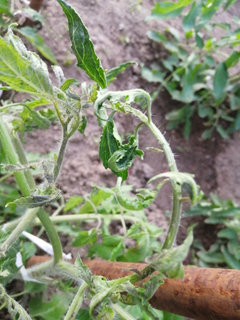
    I think it would be a VERY important distinction if you can prove that it is another herbicide, other than Glyphosate (Roundup was used nearby before the tomatoes were planted). But the leaves on the bottom row that are curling? I don't know if that proves anything because I have seen the same thing happen to some of the other tomatoes that don't have the yellow leaves at all. As well the "dark patches on the leaves" - I think that's actually a shadow, I think the leaves are quite bright in colour, although it seems like the leaves did start to curl up and get smaller maybe? Someone needs to clarify what you people mean when you say "stunted" ,exactly?

  • 6 years ago
    last modified: 6 years ago

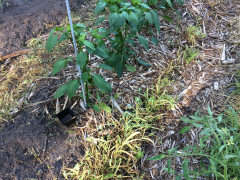
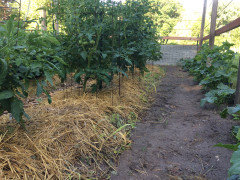
    This soil patch was used a long time ago (5 to 10 years ago). It has since been a grassy garden, and the home of a dog (a few years ago), which used to soak the grass with pee. It is also where the drain shaft is located , which is annoying to me, but it shouldn't be annoying to the plants, I hope. I think the soil is very strong, healthy because it was left alone and rested for 5-10 years. The leaves on the first row of the EARLY tomatoes are huge. They are going to be palm size very soon if they keep growing like this. And none of the other tomatoes that are on other soil patches have the same huge and healthy-looking leaves. I would also say that I have a critter problem, i.e. Moles. It's a small patch, but I guess the healthy soil also brings in a lot of worms and therefore also Moles? I have also seen grubs when I was digging the soil, but I don't think they were an abnormal amount of grubs or even worms really. I just hate the Mole so much because it is now digging close to the tomatoes and there were mole holes since before I started the tomato plantation. I think the beetle, or ladybug there, may have been just a coincidence ,because i did hear someone say "oh you have a ladybug on your back" and then flicking it with their finger. This literally could be the same ladybug. The pictures in the original post show the later planted tomatoes. They are smaller than the early tomatoes.

  • 6 years ago

    By 'stunted', I mean it's either not growing at all, or it's not growing as much or as quickly as it ought to grow.

  • 6 years ago

    I don't think Roundup should cause symptoms to show if it was sprayed before the tomatoes were even transplanted. I could be wrong. That being said, it does look a lot like Roundup damage, still.

  • 6 years ago

    Roundup in the soil will cause symptoms.

  • 6 years ago

    All of this info should have been included in the original post.

    This confirms that gardening is one huge experiment. There may have been Round Up in the drain water mentioned too. I wouldn't eat anything knowing what was disclosed here.

    Your lady bugs look diff than in the USA.

  • 6 years ago

    Chances of Roundup in the soil causing the symptoms are very very low to none, unless granny dumped a gallon on the spot and transplanted the tomatoes the same day. The soil neutralizes roundup and why you can transplant food crops 3 days after using roundup.

  • 6 years ago

    It may not be Roundup any more (and it may or may not bother plants), but there are still metabolites left over.

  • 6 years ago
    last modified: 6 years ago

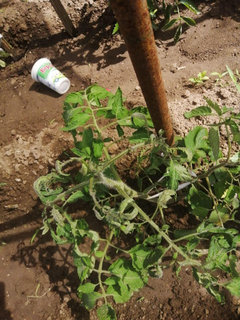
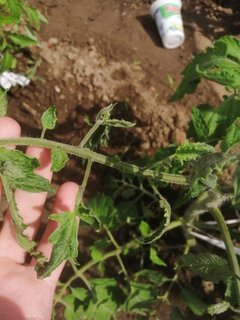
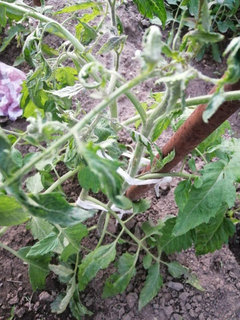
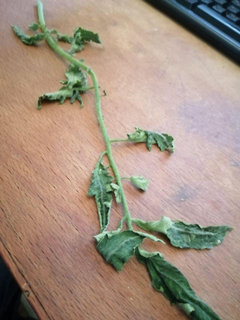
    Yes, that is a strange-looking beige ladybug or beetle or whatever it is. Most of our ladybugs are the red smaller ones as well. The problem here really is about trust. I don't trust my grandmother for putting a protective screen when spraying the weeds nearby, and I still suspect she may have sprayed when the yellow leaves incident occurred. I read up on roundup sticking to soil and not being volatile, i.e. traveling much after that. There is drainage water that comes into this garden patch because this garden patch is at a lower level than most of the yard. That could potentially bring in some herbicide with itself too, but there's a protection, a barrier of tiles that come after the drainage pipe, so I assume even the potential roundup that could get through the drainage pipe should be very limited. Although we did have an excess of rain and that could potentially make those particles travel deeper and closer to the inner side of the tomato plantation? My intuitive guess is that it was sprayed near the tomatoes, or worst-case scenario - my conspiracy theory is that some of the leaves were intentionally touched/slightly sprayed with a herbicide (maybe not even by my grandmother). Here are more pictures of one of the leftover damaged plants. I think on this one I got rid of some of the yellow leaves, but you can still see curling and "stunted top"?


    This is the same plant on all pictures. This same plant has this branch of leaves that look healthy:


  • 6 years ago

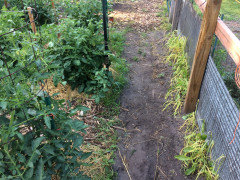
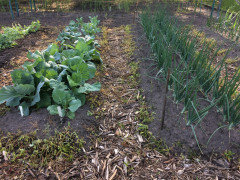
    7 days ago I sprayed 10 gallons of mixed glyphosate (generic brand) in and around my gardens and it even rained in the middle so I finished after the rain. I sprayed inches from tomatoes, peppers, carrots, onion and cucumbers, the most sensitive. Not a sign of damage to any of the plants and you can see the weeds dying under the plants.


  • 6 years ago

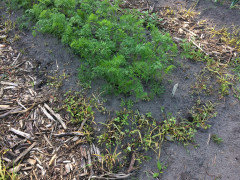
    I had zero wind, large droplet size and low tank pressure with wand 6" or less from the ground. See all the yellow dying weeds and nice healthy green tomato plants.

    Onions, broccoli, cabbage, I even sprayed under the asparagus in the back ground.

    No problem with the carrots either.

    I sprayed around the fence lines, down the rows and within inches of the plants, I sprayed everything. No damage because I did not get any on the crop plants. It even rained in the middle of spraying so the point is roundup in the soil is not an issue.

  • 6 years ago

    I just read the entire Roundup label and saw nowhere where it stated that one could plant food crops after 3 days of spraying the soil. Please point us in the right direction that you saw this.

    AND, if you actually did read this on the label, then apparently it does cause ill effects at least for three days.

  • 6 years ago

    From the manufacturer of roundup.

    https://www.roundup.com/en-us/library/using-roundup-weed-grass-killer-products-properly/how-soon-can-i-replant-after-using

    1 Day After Application: Ornamental flowers, trees, and shrubs.

    3 Days After Application: Lawn grasses, herbs, vegetables, and fruits.

    But What I use: Pronto Big N' Tuf 41% glyphosate weed & grass Killer.. At a tenth of roundup's price.

    . http://www.cdms.net/ldat/ldCHR003.pdf

    Start on Page 26 section 13.6 Vegetable crops.

    The best of the best in the instruction restrictions: Allow at least 3 days between application and planting.

    Spot treatment(Asparagus) - This product may be applied immediately after cutting, but

    prior to the emergence of new spears.

    you'd think it would kill the roots, I have 300 plants, works as directed without any dead or damaged plants.

    Also look at section 13.7 stating: Residues can be removed by 0.5 inch natural rainfall or by applying water via a sprinkler system.

    Label also directs how to treat spaces between rows and if people would follow directions they wouldn't kill their plants with roundup. Many EU countries have or are in the process of banning residential use of roundup, people just can't follow directions.


  • 6 years ago
    last modified: 6 years ago

    @outpaientzero Thank you for your comment, really interesting that there's no damage to the roots. Are you suggesting that whoever sprayed roundup (or whatever pesticide it was), had to have sprayed my leaves directly or close to them? Because the weeds that my grandmother supposedly sprayed are literally around 1.8 meters away from the first tomato in line that is damaged. This is what interests me.

  • 6 years ago
    last modified: 6 years ago

    FYI, consistently removing the yellow leaves (or the shoots with yellow on them) on my tomato plant seems to be working, so far. It's growing new leaves that aren't yellow, at last. Hopefully it keeps up.

  • 6 years ago

    Airborne particles can travel thousands of feet with only a modest breeze.

  • 6 years ago

    @Mokinu Here are some pictures of the tomatoes with the removed yellow leaves.


  • 6 years ago
    last modified: 6 years ago

    Hmm. I not only removed the yellow leaves, but all the shoots/suckers with weird foliage. I'm not necessarily suggesting you do what I did, but it seems to have worked for me, so far.

  • 6 years ago

    Is everyone on the same page now , that this is glyphosate / roundup damage 100% of the time?


    @Mokinu I took a picture of one of those offshoots I started getting rid of because they piss me off how little their leaves get as if they are shrinking. It's really weird that the last leaf is always the biggest. I think someone sprayed the plants with glyphosate. I don't think it is simply glyphosate drift, i think they were sprayed. First the tomatoes are in the middle of the plantation, so how can the drift hit exactly the middle ones. And how can it only hit the top of the tomato, and how can it hit only the first 4-5 leaves but almost never the last leaf, which is somehow left to grow. The spraying is very specific in all the tomato plants, I am suspecting someone did it on purpose because of that.


  • 6 years ago
    last modified: 6 years ago

    Hmm. I don't know all the mysteries of herbicide drift, but I have my doubts that there's sufficient evidence that someone purposefully did it. I've mostly had damage on plants near paths, but I have had damage elsewhere before.

    If someone did do it on purpose, I'm not sure what advice to give, other than to make sure you're watching while they're spraying in the future, or to grow some fearsome border plants to keep people out.