Software
Houzz Logo Print
fordido

Terrible Raised Bed Soil- what to do?!

6 years ago
last modified: 6 years ago
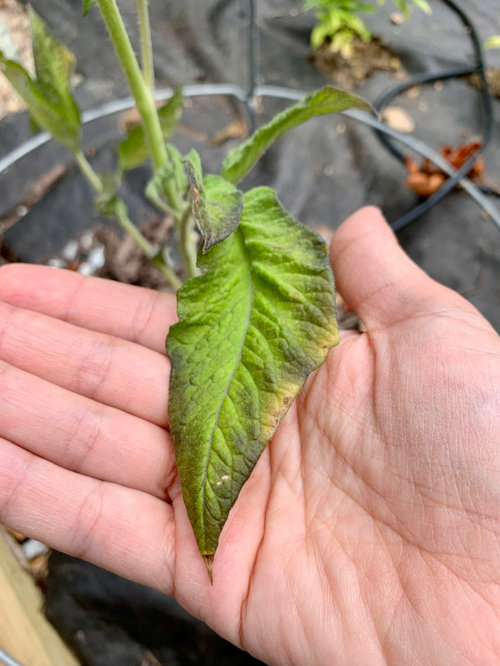
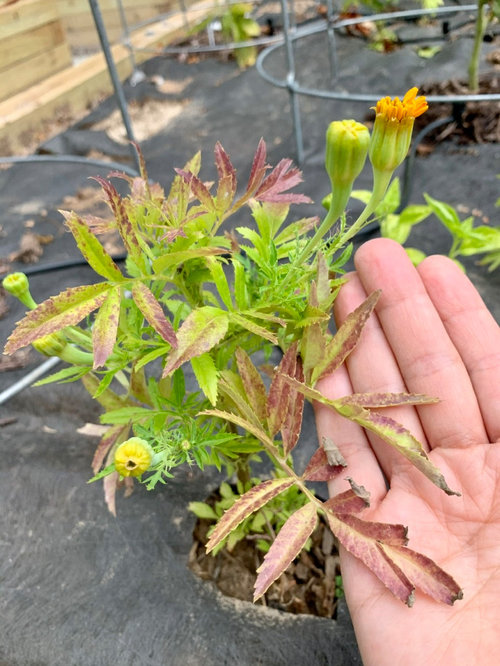
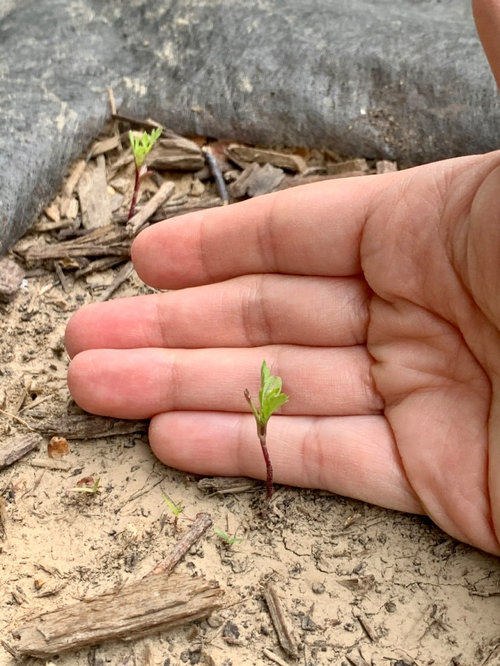
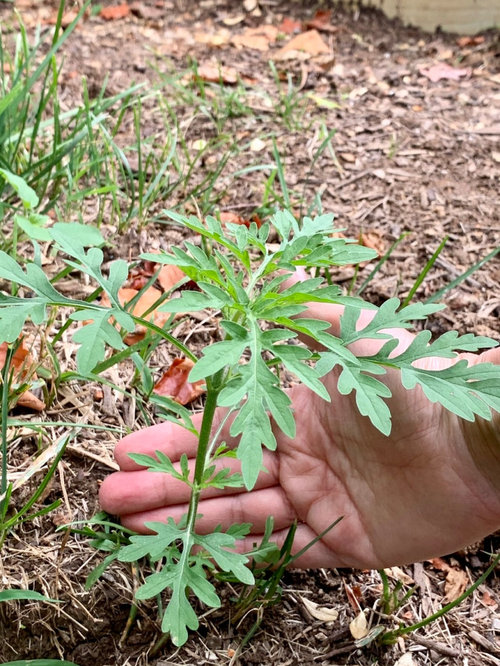
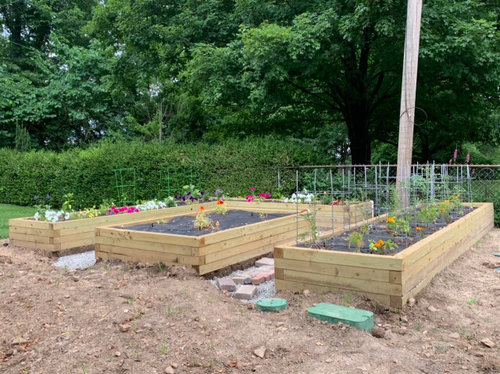
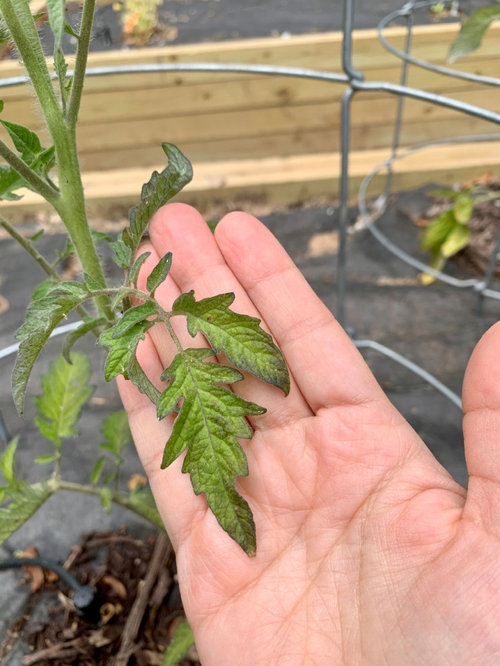
We built new raised beds this Spring and filled them with a blend from a local landscaper- supposedly 70% screened topsoil & 30% organic compost. Immediately upon filling the beds, I wasn’t impressed with it. Seemed like it had a pretty high clay content and wasn’t light and frillable at all. I figured maybe I was just spoiled from getting better quality soil in the past. But the plants have been in for over a month and everything is showing signs of unhappiness. Stunted growth, leaf discoloration etc. I attached some pictures to give you an idea- including one of a marigold sprout in my garden and one from a seed I dropped in the yard when planting. The one in the yard is healthy and 10x the size! I’m incredibly frustrated after all the hard work building and filling these beds.

We will likely end up digging out most of the soil in fall, replacing with something else and planting a winter cover crop. But is there anything I can do to salvage the garden this summer? I have been fertilizing every other week alternating between fish emulsion & Texas Tomato Food’s vegetable formula. I’m also dropping off a soil sample for testing next week for further info. I would love any suggestions you may have for us. Thank you!


Comments (10)

  • 6 years ago

    Your beds look so awesome! Hubby did a soil test AFTER our tomatoes were 2' tall, and he dug in a lot of nutrients and changed the drip system to daily. I am from California, and it gets really HOT (Hell Hot) here in Riverside county. Nights cool off, but the heat is coming. Go over to YouTube and watch these videos. This guy knows his stuff.

    fordido thanked Susan Highland USDA Zone 9b
  • 6 years ago

    I had the same thing happen to me years ago. I got vegetable garden soil from a well regarded local company, but almost everything I planted failed. When I complained, they took a soil sample and tested it, and to their credit said the mix was really off and replaced it all for free. I still lost that year, and had to dig out the bad stuff, but at least there was an effort to fix things. The closeup photos of your soil look bad. Have you talked to the place you got it from?

    fordido thanked kudzu9
  • 6 years ago

    First of all you can always fix soil, it's just a matter of what to add and enough time. Clay responds to organic matter. If it shrinks as it settles in, you can add something silty or a silty sand. Careful just adding sand though - that makes for concrete.

    Purple leaves look like phosphorus deficiency. Try some soluble high P fertilizer, often labeled for blooming and fruiting plants. I have a big bag of Peters 20-30-10 that I get out when phosphorus is a problem.

    Why it's doing that is hard to know, could be high pH, or the clay just holds onto P.

    fordido thanked toxcrusadr
  • 6 years ago

    I am frequently asked to consult on community garden projects. Three years ago I met the challenge of 40 newly constructed box gardens, well built and carefully protected from animal damage. They were available for rent. However, the contractor had filled each with terrible dirt, clay, small sticks. Funds were limited. What to do?

    I decided the fastest solution was...beer mash and a good iron fertilizer combination. The problem was finding beer mash because all the local brewers promise their mash to area farmers at no cost except providing transport barrels. We were able to locate enough beer mash for the 40 boxes. With that application those gardens sprang to life. We added the beer mash again last year and this spring. I wish I could walk you through those garden boxes. The growth and health of the plants stops traffic.

    So, if you can locate it...beer mash. A scant 1/2 barrel for each box. Plus Foliage-Pro 9-3-5 applied with a hose end sprayer according to directions should help greatly for this growing season. Also, call area landscape nurseries and see if they sell a very fine grade of 'soil improvement mulch'. Despite what some here will tell you, it really is a quality product for improving soil in this type of situation. Sold in 40# bags. Inexpensive. I have some very happy customers.


    fordido thanked nandina
  • 6 years ago

    @nandina: what is 'soil improvement mulch'? I have not heard of a bagged product by this name. Can you post a pic of the package or a link?

    fordido thanked toxcrusadr
  • 6 years ago

    I have never heard of this soil improvement mulch either. I have heard of worm castings which is sold to improve soil. I too would like a pic of the package. Thanks.

  • 6 years ago

    I wrote a long answer to the questions above yesterday and for some reason it did not post. Short answer. Presently I do not have a bag of this
    "Pine Bark Soil Conditioner" to photograph. It is a product of the Kamlar Corp. in Rocky Mount, NC. 252-443-2576. A phone call to the business would indicate if they are shipping to any landscape business in your area. It can be used in numerous ways to correct poor soil conditions.

    fordido thanked nandina
  • 6 years ago

    I don't like the way the leaves shrivel and turn strange colors. I am thinking your contractor grabbed some random soil that was dug up from another job and tried to improve it, but he did not understand that the soil may have been contaminated by herbacides like Roundup or by some other situation that placed very high amounts of some mineral or chemical in the soil. If you want him to replace the soil for you might need to get soil testing done.

    fordido thanked westes Zone 9b California SF Bay
  • 6 years ago
    last modified: 6 years ago
    The picture with the hand shows quite pale looking = low in organic content "dirt" with some coarse undecomposed organic debris mixed in - what did they excavate and screen to get the "screened topsoil", a beach?

    I’m also dropping off a soil sample for testing next week for further info

    This is what you want to have done, you are right on track there - DEFINITELY wait for the soil test report and recommendations before taking any additional action.

    Otherwise your fertilization program should have been producing an improvement - the marigold for instance I would be willing to bet is starved for nitrogen - so that may need to be tweaked. The report should indicate any changes in the soil minerals situation that need to be made. As here:

    Last fall we collected soil samples from a local organic demonstration garden and sent them out for nutrient analysis; this garden had recently experienced some soil and plant health problems. Every single one of the sites that was tested came back with nutrient readings off the scale. In large capital letters the report warned “DO NOT FERTILIZE THIS SOIL.” The excessive addition of nutrient-rich compost to this landscape contributed not only to plant health problems but to nutrient loading of adjacent natural waters.

    https://s3.wp.wsu.edu/uploads/sites/403/2015/03/soil-amendments-3.pdf


    fordido thanked Embothrium