

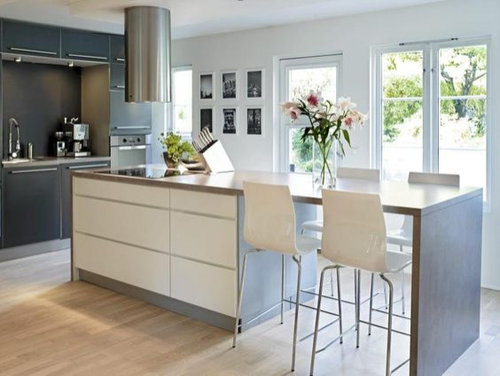
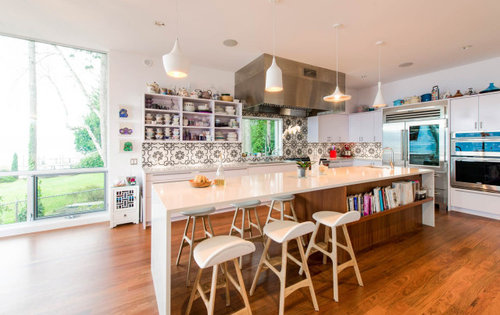
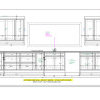
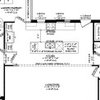
How is this countertop supported?
6 years ago
last modified: 6 years ago
Sort by:Oldest
Comments (10)
Related Stories
KITCHEN DESIGNOpening the Kitchen? Make the Most of That Support Post
Use a post to add architectural interest, create a focal point or just give your open kitchen some structure
Full Story
KITCHEN DESIGNHouzz Quiz: What Kitchen Countertop Is Right For You?
The options for kitchen countertops can seem endless. Take our quiz to help you narrow down your selection
Full Story
KITCHEN DESIGNEco-Friendly Materials: Kitchen Countertops
Going green in the kitchen opens the door to unusual countertop materials that are beautiful, durable and kind to the planet
Full Story
KITCHEN COUNTERTOPS10 Countertop Mashups for the Kitchen
Contrast or complement textures, tones and more by using a mix of materials for countertops and island tops
Full Story
KITCHEN DESIGNKitchen Countertops 101: Choosing a Surface Material
Explore the pros and cons of 11 kitchen countertop materials. The options may surprise you
Full Story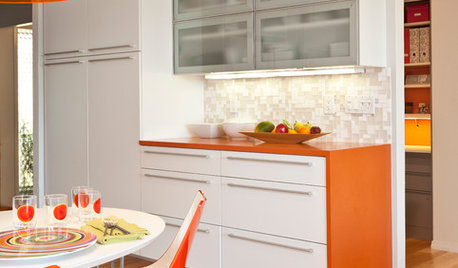
KITCHEN DESIGNCountertop and Backsplash: Making the Perfect Match
Zero in on a kitchen combo you'll love with these strategies and great countertop-backsplash mixes for inspiration
Full Story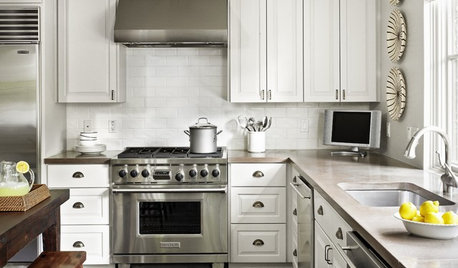
KITCHEN DESIGNAmazing Ways with Concrete Countertops
See What Designers Are Doing With This Versatile, Weatherproof Counter Alternative
Full Story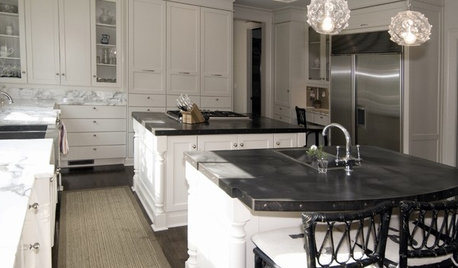
KITCHEN COUNTERTOPSKitchen Countertop Materials: 5 More Great Alternatives to Granite
Get a delightfully different look for your kitchen counters with lesser-known materials for a wide range of budgets
Full Story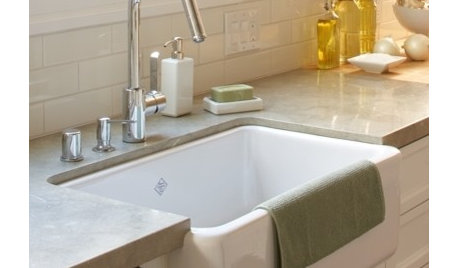
CONTRACTOR TIPSContractor Tips: Countertop Installation from Start to Finish
From counter templates to ongoing care, a professional contractor shares what you need to know
Full Story
Joseph Corlett, LLC
mama goose_gw zn6OH
Related Professionals
Enid Kitchen & Bathroom Designers · Murrieta Kitchen & Bathroom Designers · Denver Kitchen & Bathroom Designers · Salt Lake City Kitchen & Bathroom Designers · Dalton Kitchen Remodelers · Wichita Kitchen Remodelers · Florence Kitchen Remodelers · Louisville Kitchen Remodelers · Southaven Kitchen Remodelers · Sioux Falls Kitchen Remodelers · Augusta Custom Countertops · Dayton Custom Countertops · Lebanon Custom Countertops · Palm Desert Custom Countertops · Logan Custom CountertopsGranite City Services
mama goose_gw zn6OH
eam44
mama goose_gw zn6OH
chispa
eam44
chispa
Granite City Services