Software
Houzz Logo Print
bananastand

How actively do you prevent self-seeding in your garden?

6 years ago
last modified: 6 years ago
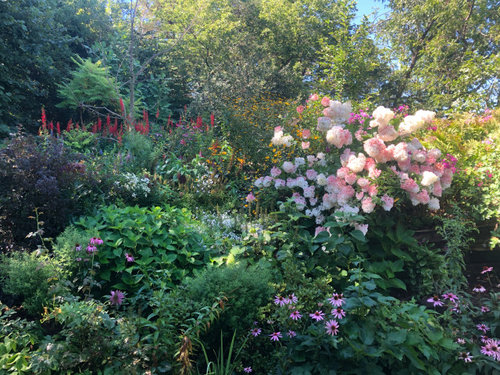
Last summer, we moved into our dream home on just over an acre. The former owner was a master gardener and freelance landscaper, and needless to say the perennials are stunning. The landscape blooms in nearly every season (zone 5b means winter is quiet), and the design literally makes me gasp at times it's so beautiful. I have been working on introducing a few more native plants to the landscape this year-- prairie smoke, butterfly weed, lupine, compass plant, leadplant, etc. Other than that, my main task is trying to keep up with weeding, which seems like an endless task that I'll never really have done. Now, here's my question-- how common is it to prevent most flowers from going to seed in a large area? I ask because the former owner has come to visit a few times, and each time she comes I learn about a new plant that I'm not supposed to let go to seed. I can't even name all the plants she's told me that she would cut back before seed production. Garden phlox. Goatsbeard. Blue lobelia. Spiderwort. The list goes on and on.

Even with as much time as I've been able to spend in the garden this year due to working from home, I just can't envision a world where I am able to keep up. Between regular yard maintenance (weeding, mowing, watering) and regular household tasks like cooking and cleaning, plus my full time job and regular life, I just can't see myself finding time to go out and cut the hundreds of garden phlox blooming right now. Do other people do this at large scales? If I am not able to do this, does it mean I'm not really doing a good job of garden upkeep? I guess I've always been more of a laissez faire gardener-- I plant it, I help it get established, and after that-- every plant for him/herself! I heard a podcast about a book called the "Know Maintenance Perennial Garden" and wondered if I need to slowly start converting what seems like paradise to something more manageable. Please share your insights and maybe help assuage my guilt. Thanks!

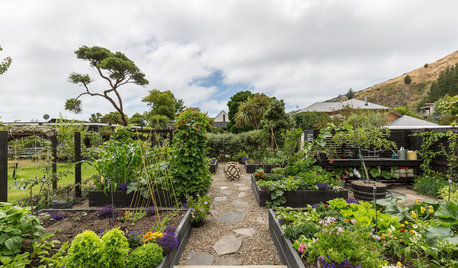
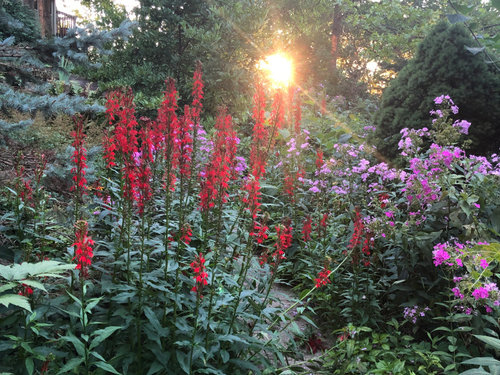
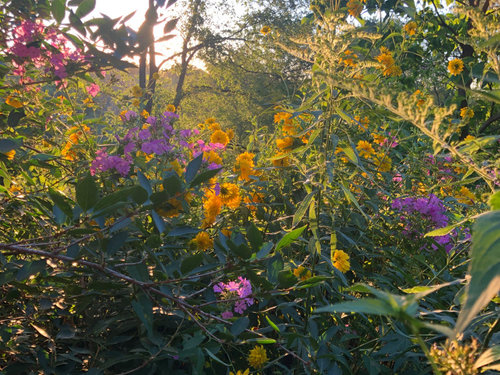
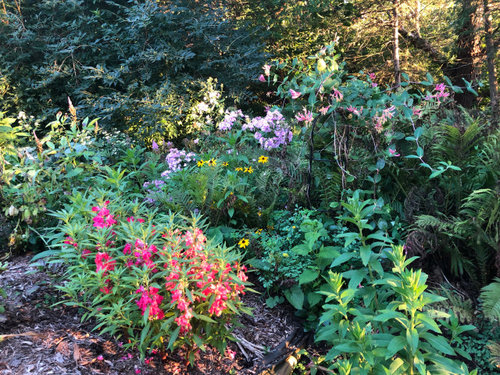
Here are a few garden views from the past week:


Comments (20)

  • 6 years ago

    Very beautiful. How big is the garden? I would listen to the advice of the former owner. She certainly knows what she is talking about. The time you will spend on deadheading is less than you would spend on maintaining an overgrown garden.

    bananastand thanked windberry zone5a BCCanada
  • 6 years ago

    As you have noted the garden is stunning... a feast for the eyes. Thank you for posting these pictures.

    The plants look so healthy and yet for many areas in NAmerica the summer has seen drought like conditions. I am just curious....does the garden rely only on rain water ie no in ground sprinkler system?

    The hydrangea is the standout.

    Is the red flowered perennial....a lobelia? (If so it looks very healthy and it requires good moisture).


  • 6 years ago

    I’m not as good with dead heading as I should be honestly. But when I do deadhead, I do it rather ruthlessly With very little individual deadheading but more mass cutting. Yes I miss out on some blooms but it looks like the garden is full enough for that to not be too much if an issue.


    it looks well mulched. Are you getting weeds in the mulch?

  • 6 years ago

    Thank you for all the comments and input! I feel a bit foolish that I didn't even know to call this task by its name: deadheading. Sounds like a task that I shouldn't completely neglect, but great advice to get ideas from the former owner on the top priorities.


    To answer a few of the questions folks asked...

    @windberry zone5a BCCanada- I would estimate that at least 50-60% of the 1 acre property is garden. No small amount of work!

    @rouge21_gw (CDN Z5b/6a)- This is located in southwest Wisconsin and it relies primarily on natural rainfall, although I have set out my hose and a sprinkler a few times this summer when we've had more than a week without substantial rain or during particularly hot stretches. I agree that hydrangea is amazing! It's a tree variety, not sure which one. Blooms start white and fade to pink. The red flowers are lobelia cardinalis, and while I too have understood them to be a high moisture plant, they haven't seemed to need any special attention. Even more amazing- our soil is extremely sandy here. The former owner spread compost over all the areas that have been planted with perennials, so it's essentially several inches of compost on top of sand. I'm amazed I don't have to water more often.

    @thrills- Thanks for the tip on mass cutting as a deadheading technique. What tool do you use for that job? Loppers? Hedge snips? Should I be just cutting things off to a certain height, or cutting them back fully to the ground? As for the mulch-- yes. I put down 2-3" of oak mulch this spring. I have to admit, the weeds have seemed to find a way to persist despite the deep mulch, especially yellow sorrel and cucumber weed, which are literally everywhere, almost seeming to sprout right from the mulch itself.

    @deanna in ME Barely zone 6a, more like 5b- THANK YOU for these words of support! Amen, sister! We have just started providing respite kinship care for our 10-year old nephew on weekends, and between that and the non-stop nature of my regular job and volunteering for a couple of non profits in the evenings, to say I've felt overwhelmed lately is an understatement. Plus we are still kind of settling into the house- we have only begun scratching the surface on projects. Appreciate the advice and insights. I have not gotten great guidance on priorities from the former owner, and I have been gently pressing for them since we moved in last year. I think she just had more time to spend in the garden overall, and so she's super helpful in telling me what SHE did, but what she did can't be my normal. Complicating that, she also had planted some things that are flat-out invasive-- example, what she called "sweet rocket" is really Dame's Rocket and incredibly invasive. We spent so many hours trying to pull all of that this spring, there wasn't much time for other tasks. Same story with Oxeye Daisy- less of a concerning one, but I invested a lot of time pulling it (and replacing it with prairie natives). So at this point I value my relationship with her and am always glad when she comes by and does plant walks with me, but I'm not sure I'm going to get priorities at this point. What I do get is great history and ideas-- she really is a font of knowledge in many ways. Anyway, moving forward it's good to know that lobelia and spiderwort are ones to watch. Also nice to know that at least for you, the phlox isn't as big a concern.


    Thanks again to everyone. Really appreciate the support and ideas. Now I'm off to research deadheading techniques! :-)

  • bananastand thanked floral_uk z.8/9 SW UK
  • 6 years ago
    last modified: 6 years ago
    Ox-eye daisy is a "no" for me, too! It spreads and chokes out all neighbors. Dames Rocket is an invasive here, too. (But, I've been considering it as an awesome name for a boat. Wouldn't that be a great name for a female gardener who enjoys racing sailboats? I generally come in first, but only if you count backwards, unfortunately. Not quite a rocket, to be honest.) If you have a chance to get "The Well-Tended Perennial Garden" by DiSabato-Aust, it might help. Many, including me, consider it the "go-to" for how to handle herbaceous perennials. She does NOT deadhead each plant, but if needed does a complete shear with pruners. Takes 1/100th of the time, and in a couple of weeks the plant usually fills out. Her clients couldn't afford to pay for her to deadhead! Many thanks to thrills for catching on to that vibe in your thread! I had assumed you weren't trying to deadhead each plant. I only deadhead if it part of an enjoyable stroll, enjoying the garden. The rest is maintenance shearing, if required, like for 'Blue Cloud' salvia.

    Your nephew is fortunate to have your care, I'm sure. No doubt many people appreciate the time you give to them. I hope your garden becomes your stress relief and not a stress source.

    bananastand thanked deanna in ME Barely zone 6a, more like 5b
  • 6 years ago

    Your third photo includes rudbeckia. That's one of my worst self seeders; you might choose to edit that one before it spreads.

    bananastand thanked cecily 7A
  • 6 years ago

    bananastand your gardens are gorgeous! And look so healthy and full compared to my poor frizzled ones lol.

    Actually, I think you are very lucky to be in touch with the previous owner, as I don't think that's the usual procedure. She can be a source of great information and help. BUT... remember now they are YOUR gardens, so don't feel obligated to keep them just as she had them.

    As beautiful as they are, if the gardens become too much work you won't enjoy them. You've had a year to see what's what. If you are unfamiliar with certain plants, do some research (or ask here!) and see what kind of upkeep is needed and decide if you can or will be able to maintain it. If it's not worth it, don't feel guilty removing it. For example, as beautiful as some aggressive or reseeding plants may be, they may not be worth the work. Give them away to other gardeners who want them. Your garden is so chock-full and beautiful that it will not really miss some plants.

    LOL I would put that ten-year-old nephew to work! Teach him what is a weed, teach him how to deadhead, let him mulch - let him work with you out there, and who knows? You may be starting a life-long love of gardening in him!

    Best of luck to you in this, and please let the people here help you. All we ask in return is some more photos!

    :)
    Dee

    bananastand thanked diggerdee zone 6 CT
  • 6 years ago
    last modified: 6 years ago
    I think Dee hit all the important points.

    That is indeed, a "dream garden"

    I have a couple thoughts but not about preventing re seeding.

    Are you initiating the invitations to visit? You may need to stop. If she's inviting herself, that's really not appropriate. Many of us want to see what's happened to places we used to live but limit ourselves to slow drive-bys. Think about how you might kindly but clearly discourage future visits.

    bananastand thanked Marie Tulin Boston burbs z 6a
  • 6 years ago

    I would invite the former owner over to deadhead with you! As she points out at the right time what to get head you will more readily remember plus you will have a second pair of hands. Good luck!

  • 6 years ago
    last modified: 6 years ago
    @deanna in ME Barely zone 6a, more like 5b- love the sailboat! LOL. And thanks for the book tip, I will definitely check that out. Great reminders about the owner too. See my note to Marie below for more.


    @diggerdee zone 6 CT, so funny you mention the nephew as helper! He was an top-notch mulch helper this spring, but he does have limits-- after 1 day he decided that was enough. :-) I take what help I can get, but we focus a bit more on other things when he's here. I'll be sure to come here more often and glad to share pics!


    @Marie Tulin Boston burbs z 6a, the former owner seems quite conscious of not wanting to intrude. She has been here maybe 3-4 times since we moved in last July, and at least one of those times was upon my request. The most recent visit was a request to dig some yellow corydalis (which I have loads of) for her new place-- and I had warmly encouraged her to reach out for just that kind of request when we bought it, so it was fine. She's also encouraged me to make the landscape my own-- encouraging me to not be afraid to edit, cut, or replace. So that's good.


    Much to learn! I went out and did some deadheading on bee balm and spiderwort today. Just a small section, and just for a small break from the computer & work. It was nice-- definitely something I can do more of!

  • 6 years ago

    I'm just curious, when you say sandy soil how sandy are we talking? Like, how much silt and clay would you say is in the soil, or is it almost all sand? The lobelia is gorgeous btw, and so is everything else (but the lobelia really stole the show here).

  • 6 years ago

    @perennialfan275, I know- the lobelia is what made me gasp. Honestly it's pretty darn sandy. I live in the Wisconsin River valley-- it has a pure sand bottom, a gift from our glaciers. When I dig down, I'm not seeing anything that looks like clay. On the plus side, weeding is super easy.

  • 6 years ago

    Speaking of cutting back cut back the garden work load over time by transitioning to mostly shrubs and ground covering plants instead of the large component of border perennials you have now.

  • 6 years ago

    Yes, I was going to suggest adding some shrubs as well. I'm transitioning my garden over to more shrubs slowly to cut down on maintenance.

    Your lobelia is indeed beautiful. I have some planted in a bog/wet garden and it's not doing nearly so well, which puzzles me. But I do love it, considering I'm not a real fan of red flowers. But the lobelia is so clear and true and vibrant you can't not like it!

    :)
    Dee

  • 6 years ago

    Beautiful gardens. My goatsbeard doesn't spread much, I'm in zone 6 Buffalo, N Y. I was thinking maybe you could remove some of the garden phlox and add some of the many hybrid phlox that are around. Those don't re-seed. Same with some of the other things she told you about, there are many perennials that just become larger clumps and don't re-seed all over.

    I also wouldn't want to spend all my time dead-heading. And looks like you have lots of shade, you could add some interesting hosta too. Just make the garden your own, one that you can manage with the time and effort you want to be able to give to it.

  • 6 years ago

    The gardens looks beautiful! Good advice above, nothing notable to add.

  • 6 years ago

    Some great thoughts and advice above.

    One of the best tips I ever got on deadheading was here on the perennials forum; use old style, manual hedge clippers Like the ones pictured in the link below.

    http://www.rentequipde.com/uploads/6/6/2/3/6623723/s634185536544378088_p56_i13_w500.jpeg

    A couple of good whacks, maybe three for a large phlox, and the plant is deadheaded. Scoop up the trimmings and you are done in far less time than cutting individual stems.

    bananastand thanked NHBabs z4b-5a NH
  • 6 years ago

    You could consider hiring someone to help you. And if you will offer plants as a bonus you may find a really great helper.