

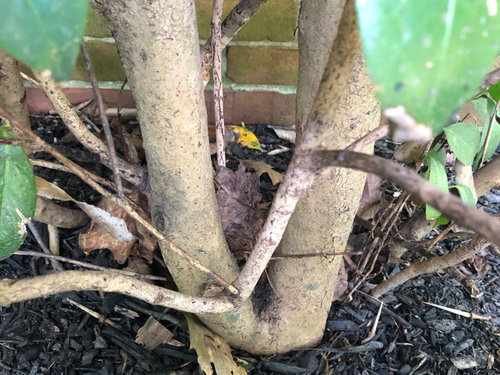
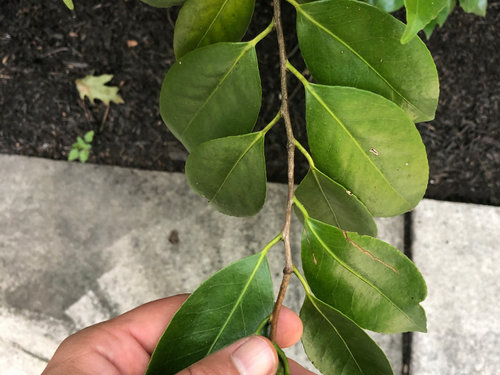
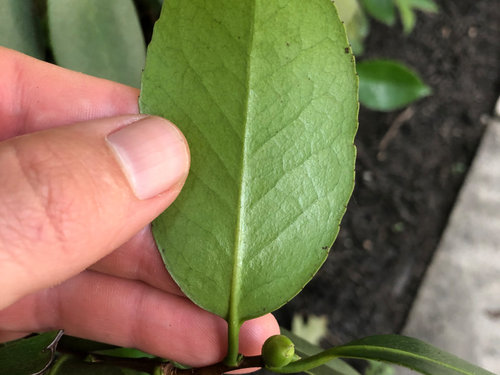
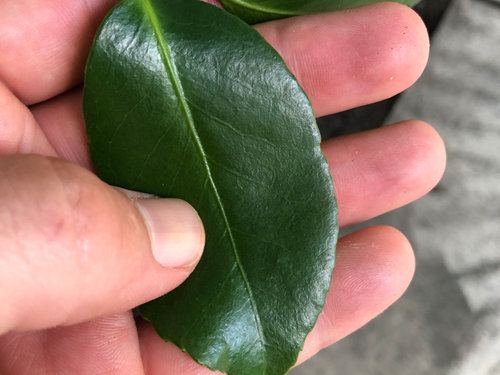
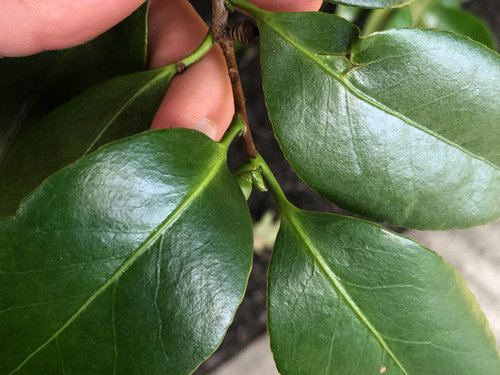
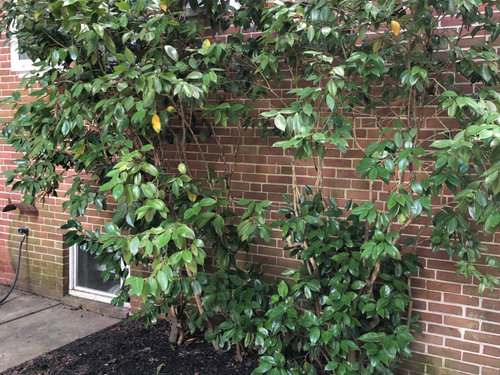
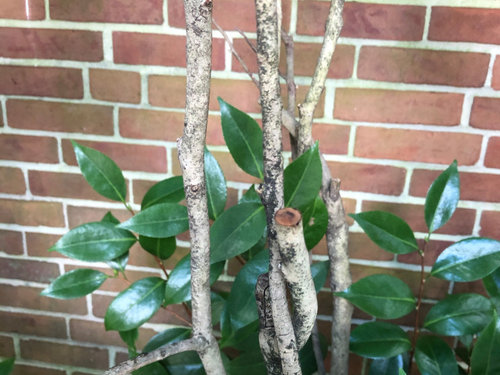
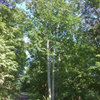
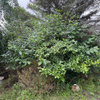
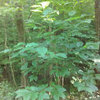
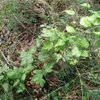
Help identifying this bush/tree?
6 years ago
Sort by:Oldest
Comments (10)
Related Stories

GARDENING GUIDESTree Care: Common Tree Diseases and What to Do About Them
Learn to recognize trees that may be affected by diseases or pests so you can quickly take action
Full Story
GARDENING GUIDESGreat Design Plant: Northern Bush Honeysuckle, a Bronze Beauty
It helps control erosion and takes sun or shade. The butterflies love it. But the best part of this shrub may be the vivid foliage
Full Story
CHRISTMASReal vs. Fake: How to Choose the Right Christmas Tree
Pitting flexibility and ease against cost and the environment can leave anyone flummoxed. This Christmas tree breakdown can help
Full Story
GARDENING 101Key Pruning Terms to Help You Shape Up Your Garden
Learn why heading back, crown raising and other practices are essential for your plants’ health and beauty
Full Story
LANDSCAPE DESIGN8 Reasons to Plant a Great Tree
Beauty is its own reward, but the benefits of planting the right tree in the right place go way beyond looks
Full Story
CHRISTMASHow to Light Your Christmas Tree Like a Pro
Give yourself frustration-free tree lighting this year — the trick is clever cord management
Full Story
LANDSCAPE DESIGNFire-Wise Landscapes Can Help Keep Your Home and Property Safe
Choose fire-resistant plants and materials and create defensible areas using these design strategies
Full Story
GARDENING FOR BIRDSBackyard Birds: How to Identify Two Common Woodpeckers
Downy and hairy woodpeckers have similar coloration and behavior. But there are two big differences that separate them
Full Story
GARDENING GUIDESGrow Your Own Privacy: How to Screen With Plants and Trees
Use living walls to lower your home and garden's exposure while boosting natural beauty in your landscape
Full Story
CONTAINER GARDENSPatio-Perfect Berry Bushes Like You’ve Never Seen
Small enough for pots but offering abundant fruit, these remarkable bred berries are a boon for gardeners short on space
Full Story
Sponsored
Embothrium
olychick
Related Professionals
Aiken Landscape Architects & Landscape Designers · Elgin Landscape Architects & Landscape Designers · Edison Landscape Architects & Landscape Designers · Madison Landscape Architects & Landscape Designers · Tupelo Landscape Contractors · Rock Hill Landscape Contractors · Greenfield Landscape Contractors · Keene Landscape Contractors · Yuba City Landscape Contractors · Tupelo Stone, Pavers & Concrete · Waterbury Stone, Pavers & Concrete · Hempstead Stone, Pavers & Concrete · Ithaca Stone, Pavers & Concrete · Reno Stone, Pavers & Concrete · Longview Stone, Pavers & Concreteken_adrian Adrian MI cold Z5
ken_adrian Adrian MI cold Z5
floral_uk z.8/9 SW UK
Embothrium
bania4ovaltineOriginal Author
bania4ovaltineOriginal Author
Embothrium
olychick