

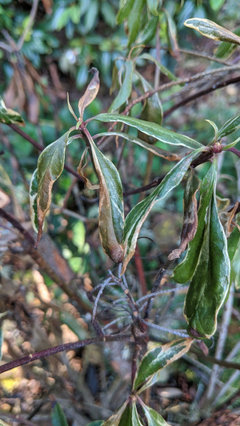
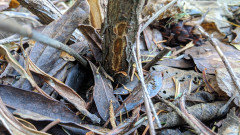
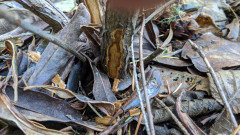
Rhododendron root rot phytophthora question
6 years ago
Featured Answer
Sort by:Oldest
Comments (6)
 6 years agolast modified: 6 years agoannecorea thanked westes Zone 9b California SF Bay
Related Professionals
Springfield Landscape Architects & Landscape Designers · Aberdeen Landscape Architects & Landscape Designers · Augusta Landscape Contractors · Hopkinsville Landscape Contractors · Montrose Landscape Contractors · San Angelo Landscape Contractors · Vincennes Home Builders · Durango Home Builders · Wilmington Landscape Architects & Landscape Designers · Petersburg Landscape Architects & Landscape Designers · Lancaster Landscape Architects & Landscape Designers · Sebring Landscape Contractors · Auburn Landscape Contractors · Boston Home Additions · Monroe Home Additions 6 years ago
- 6 years agolast modified: 6 years ago


Related Stories

EDIBLE GARDENSSummer Crops: How to Grow Tomatoes
Plant tomato seedlings in spring for one of the best tastes of summer, fresh from your backyard
Full Story
GARDENING GUIDESNew Ways to Think About All That Mulch in the Garden
Before you go making a mountain out of a mulch hill, learn the facts about what your plants and soil really want
Full Story
GARDENING 101How to Grow Tomatoes in Pots
Don’t have much space for a garden? All you need is a sunny spot and a large container to grow this favorite summer crop
Full Story
LANDSCAPE DESIGNHow to Create a Beautiful Shade Garden
Turn the cool, shady spot in your garden into your own quiet oasis
Full Story
LANDSCAPE DESIGNDitch the Ordinary Ditch: Create a Realistic Dry Creek Bed
Here’s how to turn your water runoff system into an eye-catching accent for your landscape
Full Story
LANDSCAPE DESIGNWhat Kind of Gardener Are You? Find Your Archetype
Pick from our descriptions to create a garden that matches your personality and tells your story
Full Story
GARDENING GUIDESGet on a Composting Kick (Hello, Free Fertilizer!)
Quit shelling out for pricey substitutes that aren’t even as good. Here’s how to give your soil the best while lightening your trash load
Full Story
CURB APPEAL8 Twists on Foundation Plantings
Up your home’s curb appeal with house-side plantings that soften borders and add flair to your landscape
Full Story
LANDSCAPE DESIGNMoss: Nature’s Carpet for the Garden
Learn how to grow and use this ancient and mysterious natural wonder for delightful texture in the landscape
Full Story
GARDENING GUIDESGreat Design Plant: Arbutus Menziesii
This drought-tolerant West Coast native tree thrives with minimal water in difficult garden spots
Full Story
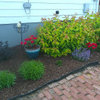
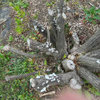
gardengal48 (PNW Z8/9)