

washing wolf hood baffles
6 years ago
Sort by:Oldest
Comments (7)
Related Stories
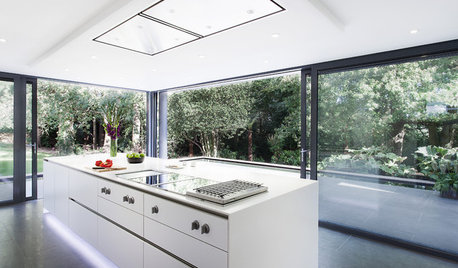
KITCHEN APPLIANCESDisappearing Range Hoods: A New Trend?
Concealed exhaust fans cut visual clutter in the kitchen
Full Story
KITCHEN DESIGNHow to Choose the Right Hood Fan for Your Kitchen
Keep your kitchen clean and your home's air fresh by understanding all the options for ventilating via a hood fan
Full Story
KITCHEN DESIGNHow to Get Your Range Hood Right
Get a handle on the technical specs, and then learn about fun design options for creating a beautiful kitchen feature
Full Story
KITCHEN DESIGNWhat to Know When Choosing a Range Hood
Find out the types of kitchen range hoods available and the options for customized units
Full Story
KITCHEN APPLIANCESWhat to Consider When Adding a Range Hood
Get to know the types, styles and why you may want to skip a hood altogether
Full Story
KITCHEN APPLIANCESThe Many Ways to Get Creative With Kitchen Hoods
Distinctive hood designs — in reclaimed barn wood, zinc, copper and more — are transforming the look of kitchens
Full Story
KITCHEN DESIGNDesigner Tips for Range Hoods, Appliances and Lighting
Learn how to get your microwave height just right, what kind of bar stool will be most comfortable and more
Full Story
KITCHEN MAKEOVERSZinc Range Hood and a Limestone Fireplace Create a Timeless Look
A designer uses weathered materials to fashion a new classic kitchen for her family in Walnut Creek, California
Full Story
KITCHEN DESIGNA Cook’s 6 Tips for Buying Kitchen Appliances
An avid home chef answers tricky questions about choosing the right oven, stovetop, vent hood and more
Full Story
THE HARDWORKING HOMEWhere to Put the Laundry Room
The Hardworking Home: We weigh the pros and cons of washing your clothes in the basement, kitchen, bathroom and more
Full Story
susandefede
Newideas
Related Professionals
Fort Smith Kitchen & Bathroom Designers · Gulfport Kitchen & Bathroom Designers · Vineland Kitchen & Bathroom Designers · Youngstown Kitchen & Bathroom Designers · Wausau Kitchen & Bathroom Designers · Grand Junction Kitchen & Bathroom Designers · Sheridan Kitchen & Bathroom Designers · Edmonton Kitchen & Bathroom Designers · Birmingham Bathroom Remodelers · Anderson Bathroom Remodelers · Kankakee Bathroom Remodelers · Lafayette Bathroom Remodelers · Watertown Bathroom Remodelers · Pittsfield Kitchen Remodelers · Farmington Kitchen Remodelerskaseki
robertgouletOriginal Author
kaseki
Newideas
kaseki