Software
Houzz Logo Print
hzdeleted_41522116

Adding Winter Interest with Arborvitaes

5 years ago
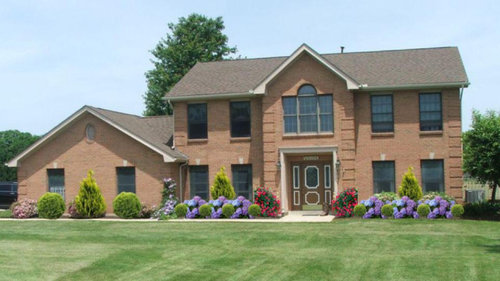
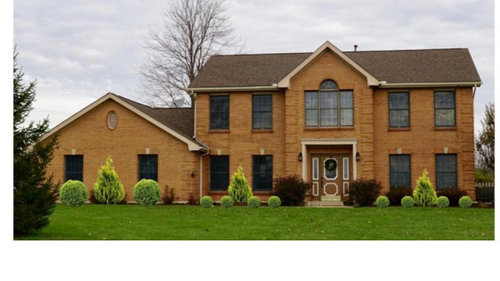
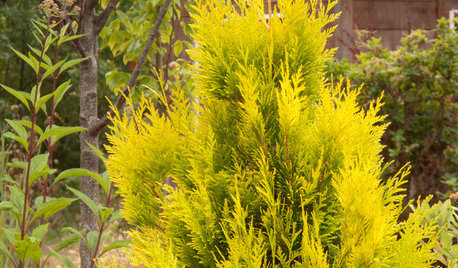
Poison ivy riddled some of our shrubs this summer so out they all went! At the time, I was undecided about what I wanted to put in their place, but as winter has set in, I definitely feel like the landscaping is needing some evergreen winter interest. After watching many videos from Garden Answer's YouTube channel, I've fallen in love with a few varieties of Arborvitae shrubs due to their soft-looking foliage and vibrant color:

  • Fluffy (Thuja plicata)
  • Anna's Magic Ball (Thuja occidentalis)
  • Golden Globe (Thuja occidentalis)

I did a mock-up of how these shrubs would work in our current design. What are your thoughts? Are there any considerations I should make in using these plants? Is something missing, especially when summer color fades?


I am in Zone 6 and this area south-facing. We did just plant a hedge of Bloomstruck Endless Summer Hydrangeas on both sides of the house and the front door is flanked by Knockout Roses. I can't wait for those hydrangeas to fill in over the next few years! There would be room to sprinkle in existing perennials for pops of color in front of where the Anna's Magic Ball is placed in the mock-up. Clematis can stay.


With Summer Color:


When Summer Color Fades:


Comments (10)

  • 5 years ago

    It is nice to have some evergreens for all year appeal. But beware if you have deer in your area. Arborvitaes is one of their favorite winter snacks. We have to cage ours in the winter.

    User thanked functionthenlook
  • 5 years ago

    I wouldn't use columnar shrubs in front of the house, especially if they get bigger than expected and end up blocking the windows. Generally, shorter shrubs (like roses, hydrangeas, box) work great because they help anchor and connect the house to the landscape without blocking it. Also, if you want to plant them symmetrically, you will have to trim and prune them constantly to make sure they stay the same size and match. And if one dies, you'll have to replace the whole set.

    Whatever you decide to do, make sure you have at least 2-3 feet of space between the mature shrub and the wall of house.

  • 5 years ago

    i would break out into the lawn a bit ... to many horizontals.. with the house foundation.. the sidewalk ... and the refusal to work out past the further edge of the sidewalk ...


    keeping mind conifers need full sun ... if those hydrangeas start overgrowing them.. they will suffer under them ... and im not sure you will want to be pruning them heavily .. probably affect bloom if not done properly.. and if done properly ... they might not be visually pleasing like the drawing ...


    which in other words means.. you are overplanted in the long run ... which is another reason to break out into the lawn and space them out for future potential ...


    keep in mind the golden rule ... foundation plantings are planted to hide the foundation .. NOT ON THE FOUNDATION .. and with future potential.. you are infringing on said rule ...


    im being repetitive ... so may as well go for it.. lol ... of what use is that lawn??? .. do you run bocci tournaments out there ... or just enjoy mowing???? ... use it ... at least a bit of it ...


    ken

  • 5 years ago
    last modified: 5 years ago

    Thank you all for the great suggestions! I definitely see what you are saying about the conical shape bringing the eye further up instead of out. Great catch! Based on what I am reading, it sounds like incorporating some of the smaller thuja shrubs would still be possible along the front of the hydrangea bushes. Anna's Magic Ball caps out at about 15 inches. Are there any other small plant suggestions to provide evergreen interest that might work in this space? I have seen a lot of boxwood blight in our area so I'm leery of going that route.

  • 5 years ago

    Many arborvitae cultivars with shrubby growth habits have been selected over the years. But do keep in mind that no woody plant "caps out" at a specific height while at the same time remaining healthy and attractive - if a point comes where upward progress falls off markedly it means there has been a change in the condition of the plant.

    User thanked Embothrium
  • 5 years ago

    I'm still wondering what this means: Poison ivy riddled some of our shrubs this summer so out they all went!

    How does poison ivy "riddle" shrubs. You removed the shrubs, but is the PI still there? The entire statement baffles me.

  • 5 years ago

    I notice your second photo is entitled when the summer color fades seeming to imply winter. While likely to vary by climate and exposure, yellow arborvitae may not retain the vibrant yellow they show during the summer. Here many change to an orangey/copper color when still receiving full sun in the winter. Now would be a good time to look around your area at what colors they take on during the winter.

  • last year

    I'd love to see a current photo! I am also in zone 6 and your house looks very similar to mine. I'm about to redo my entire front landscape after new black windows, roof and front door. What did you plant and what do you love/not like?

  • last year
    last modified: last year

    Mathew,

    Did you ever think that bumping a 4-year-old thread to the top, as your first post, that was posted by a person that has since deleted their account, would be a dead end with no further response from that person?

    Think about it.