

Can anyone identify this range hood?
5 years ago

Sort by:Oldest
Comments (7)
Related Stories

KITCHEN APPLIANCESWhat to Consider When Adding a Range Hood
Get to know the types, styles and why you may want to skip a hood altogether
Full Story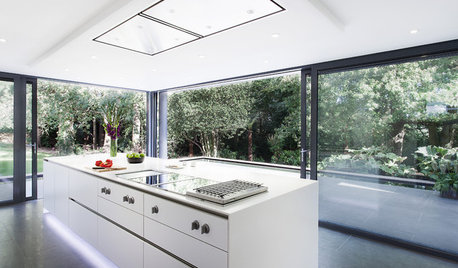
KITCHEN APPLIANCESDisappearing Range Hoods: A New Trend?
Concealed exhaust fans cut visual clutter in the kitchen
Full Story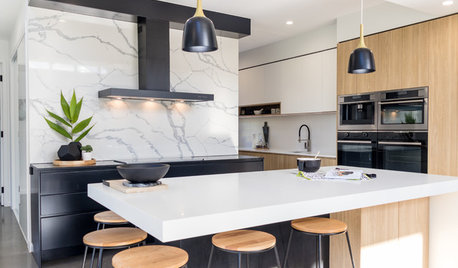
KITCHEN DESIGNHow to Get Your Range Hood Right
Get a handle on the technical specs, and then learn about fun design options for creating a beautiful kitchen feature
Full Story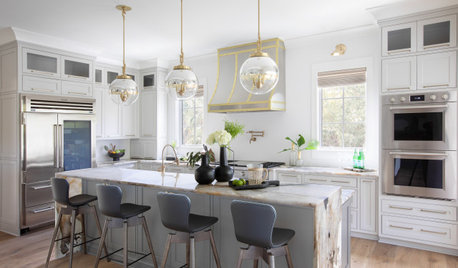
KITCHEN DESIGNDesigner Tips for Range Hoods, Appliances and Lighting
Learn how to get your microwave height just right, what kind of bar stool will be most comfortable and more
Full Story
WHITE KITCHENSRoom of the Day: Soothing Kitchen With a Clever Range Hood Hack
Creamy whites and neutral accents keep this kitchen understated. A design trick makes the hood look more expensive
Full Story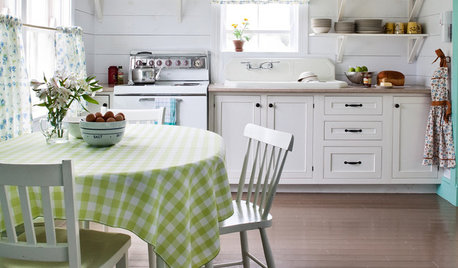
KITCHEN DESIGNThe Cure for Houzz Envy: Kitchen Touches Anyone Can Do
Take your kitchen up a notch even if it will never reach top-of-the-line, with these cheap and easy decorating ideas
Full Story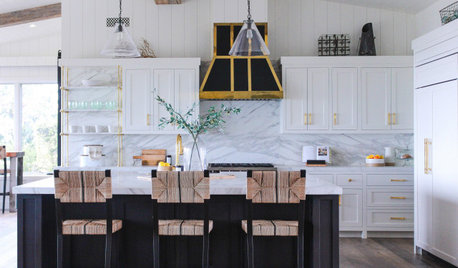
KITCHEN DESIGN15 Statement Range Hoods to Inspire Your Kitchen Remodel
See how 15 range hoods add personality and an intentionally designed look to their kitchens
Full Story
KITCHEN DESIGNWhat to Know When Choosing a Range Hood
Find out the types of kitchen range hoods available and the options for customized units
Full Story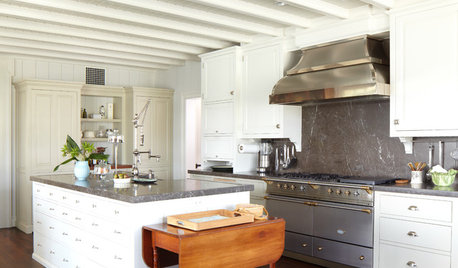
KITCHEN DESIGNHow to Find the Right Range for Your Kitchen
Range style is mostly a matter of personal taste. This full course of possibilities can help you find the right appliance to match yours
Full Story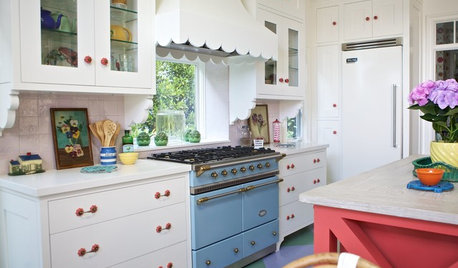
KITCHEN APPLIANCESThe Many Ways to Get Creative With Kitchen Hoods
Distinctive hood designs — in reclaimed barn wood, zinc, copper and more — are transforming the look of kitchens
Full Story
kaseki
Bryan KOriginal Author
Related Professionals
Forrest City Kitchen & Bathroom Designers · Vernal Kitchen & Bathroom Designers · Saint Joseph Bathroom Remodelers · North Adams Bathroom Remodelers · Cherry Hill Kitchen & Bathroom Designers · New Braunfels Kitchen & Bathroom Designers · Vernal Kitchen & Bathroom Designers · Kahului Kitchen & Bathroom Designers · Greenfield Kitchen Remodelers · Kearney Kitchen Remodelers · Trenton Kitchen Remodelers · Terre Haute Custom Countertops · McAllen Custom Countertops · Rochester Custom Countertops · London Custom Countertopskaseki
Bryan KOriginal Author
kaseki
M
kaseki