Software
Houzz Logo Print
md7112

Planting grass in neglected shady yard

5 years ago
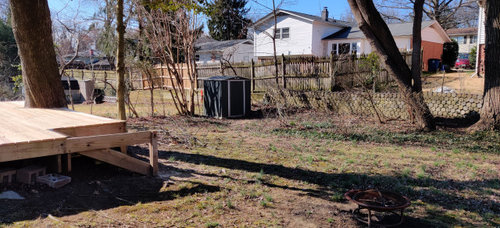
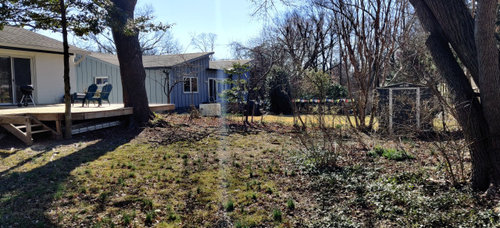
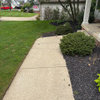
Hey all-- I just moved into a house in Maryland that probably hasn't ever had any lawn maintenance done in its 60 years of existence, and I'd like to grow some grass. I have generally damp, somewhat shaded clay soil. Was going to pick up a plug aerator and aerate the yard after some rain, then overseed with Scott's shade mix, and apply Scott's Weed and Feed with moss control. I'm also thinning out some of the trees, but there is a large old maple that will continue to dominate the backyard and prevent it from get a ton of sun.
Some people have mentioned bringing in topsoil to provide nutrition aid growth and fill dirt to cover the maple tree roots. This sounds expensive and unnecessary.
Does my plan sound ok? Do I need additional soil/dirt?

Comments (4)

  • 5 years ago
    last modified: 5 years ago

    I used to live in MD, and your pics look just like my old neighborhood :)

    Please don't add any soil on top on the tree roots. Those roots are there close to the surface for a reason, and it's harmful to the tree to cover them. And, even if the tree survives, the roots will immediately invade and fill the new soil. So it's a losing battle.

    Maples are notorious for sucking moisture out of the surrounding soil and filling any areas that are watered and fertilized. But you will appreciate the shade in the summer!

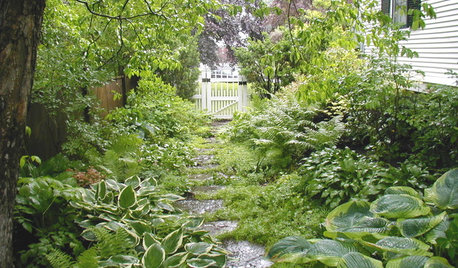
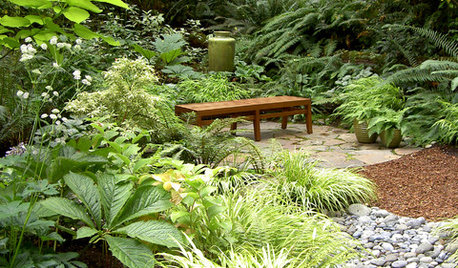
    I would mulch the area under the tree and the shrubs with some nice organic mulch like bark. If you want to grow plants there, you can go for the woodland look with ferns, spring bulbs, hostas, small reblooming azaleas, etc. They can be planted in pockets of soil between the roots. But be prepared to water them on a regular basis.

    And, don't rush into any major projects right now until the trees are fully leafed out (late spring/early summer), and you can evaluate how much sun you are really getting and which areas can support grass. You can still get grass but perhaps not over the whole yard.

    Mike thanked JoJo (Nevada 9A)
  • 5 years ago

    Spring is not the time to seed new grass in your area? Why? Because spring is when crabgrass seed is germinating. If you apply water like you should to sprout grass seed, the first seed to come up will be the crabgrass. It is practically hybrid for fast germination and rapid takeover.

    A different approach is to not aerate (ever, but I'll skip that essay), no fertilizer, no weed and feed (ever), and no topsoil. The only time you need topsoil is if you have low spots where water accumulates and you cannot figure out how to rechannel the water out of the yard. Your old soil is likely in better health than your neighbor's yards which have been hammered with chemicals for the past forever. For this year I would mow the weeds as if it was the best lawn ever. Something is going to grow and adapt to the mowing. In mid April, spray the area with Weed-b-Gon to get rid of the broadleaf weeds and leave only the grassy weeds. That will make it a lawn even if it is not the "perfect" monoculture type of turf grass lawn. It will be a mix of survivor grassy plants. Mow at the mower's highest setting to squelch new weed seeds from germinating. Water deeply (1 inch all at one time) and infrequently (according to the daily high temperature) until about August. That is the time to get serious if you would like to have a more traditional and attractive monoculture turf lawn. Deep watering in general should be done about once a month this time of year and once a week in the hottest heat of summer. You can measure 1 inch of watering by placing tuna or cat food cans around the yard and turning on the sprinkler. Time how long it takes your sprinkler to fill all the cans. That will be your watering time from now on. By allowing the surface of the soil to dry out completely the weed seeds will have that much less incentive to germinate.

  • 5 years ago

    I completely agree with JoJo and it's nice to meet her.


    The reno ideas for the tree area are a great idea and I'd go with something like that. Since Maryland lawns are best planted in August or so, this will give you the summer to work on projects outdoors, fix that, and repair the lawn (which will actually look much better if you work on it a bit). You'll also see how sunny it is and...that's going to be a surprise, I think. Most grasses do best in 6 hours or more of sun per day. Six is the floor, but there's a grass type that will manage a bit less.

    You can probably add grasses toward your deck, but I'd forget the trees. And definitely skip the Weed and Feed; it's not good at either job. :-) The herbicides might harm the trees and shrubs as well as being delivered at the wrong time to feed the lawn.


    Northern lawns like feeding on the schedule here:

    Memorial Day, Labor Day, October 1, and when growth stops for the year (usually around Thanksgiving). The last is optional, but very helpful.

    Use any good high-nitrogen, low everything else feeding (high first number, low second and third number) fertilizer with no other additives. Get the cheapest. They're actually all the same.


    Weeds: Get Weed B Gon or one of its specialties depending on the weeds you have (Clover, Chickweed and Oxalis takes out a very wide spectrum of weeds). And a sprayer. Spray your weeds. It uses less herbicide, it's cheaper, and it's more effective and applied at the right time--when you see the weed. Apply any time the weed is green.


    Watering: Deep and rare. When watering, water up to about an inch at a time (half an inch is fine in Maryland's sandy soil) as rarely as you can get away with. Every 7 days is possible in weather up to 80 degrees. At 90, you may cut back amounts and have to do it every 3 to 4. Tuna cans are one inch deep and useful to test amounts of water going down; it's always less than you think!


    Seeding: For most of Maryland, August 20th or a bit later, or earlier than most think. It's when summer just starts to fade and evenings just being to cool.

    What to use: For areas that get more than 6 hours of sun: A good standard sun and shade mix. For areas that get less: Red fescue (it's green, not red) will tolerate down to 3 hours of sun per day. It's attractive, but doesn't spread, and will need reseeding occasionally.

  • 5 years ago

    I see morph and I were replying at the same time...jinx.