

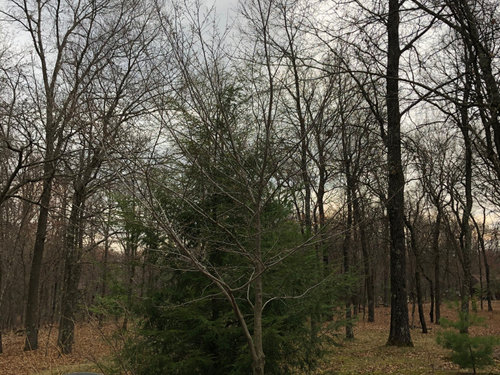
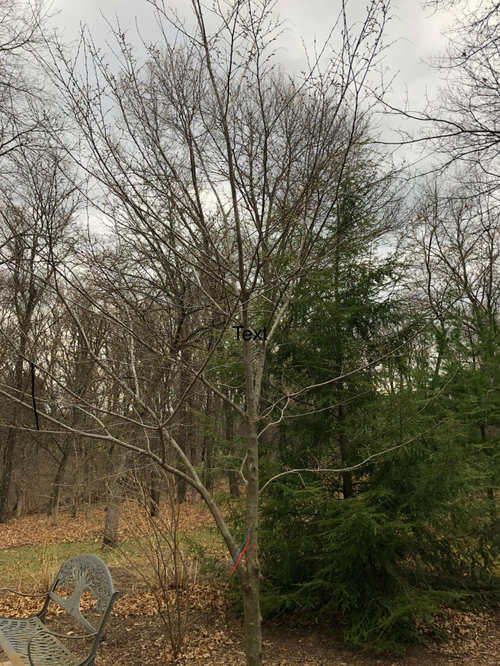
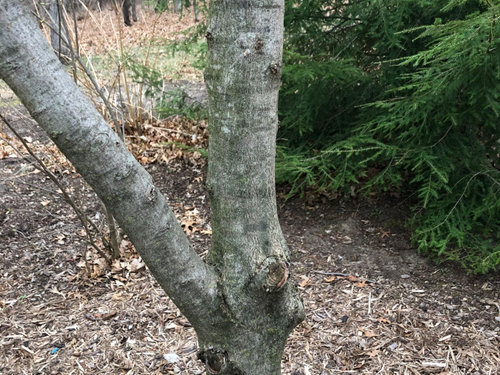
Carpinus pruning advice
5 years ago
Featured Answer
Sort by:Oldest
Comments (13)
 5 years ago
- 5 years agolast modified: 5 years ago
Related Professionals
Dalton Landscape Architects & Landscape Designers · Cedar Rapids Landscape Architects & Landscape Designers · Omaha Landscape Architects & Landscape Designers · Saint George Landscape Architects & Landscape Designers · Anchorage Landscape Architects & Landscape Designers · Sanford Landscape Architects & Landscape Designers · Richmond Home Additions · College Station Home Additions · Corpus Christi Home Additions · Burlington Home Additions · Dubuque Home Additions · Chicago Home Additions · Muncie Home Additions · Williston Home Additions · Anchorage Home Additions- 5 years ago
- 5 years agolast modified: 5 years ago
- 5 years ago
- 5 years agolast modified: 5 years ago
- 5 years ago
- 5 years ago
- 5 years ago
- 5 years ago
- 5 years ago
- 5 years agolast modified: 5 years ago

Related Stories

WINTER GARDENINGPruning Secrets for Exquisite Roses
Encourage gorgeous blooms year after year with this time-tested advice on how to prune your rosebush in winter for health and shape
Full Story
WINTER GARDENINGHow to Prune Your Fruit Trees in Winter
Garden chores may slow down this season, but pruning your fruit trees now means healthier plants that will produce more
Full Story
GARDENING 101When Should You Prune Your Trees and Shrubs?
Pruning keeps plants healthy. Find out the best time to cut back roses, flowering trees, needle-bearing shrubs and more
Full Story
GARDENING GUIDESGot Frost-Damaged Plants? How It Happens, and When and How to Prune
Don’t rush to cut back brown, brittle growth after a freeze
Full Story
GARDENING GUIDESTidy Up Sprawling Native Shrubs With These Pruning Tips
Sound horticultural pruning methods work for native and nonnative plants alike
Full Story
GARDENING GUIDESTake Care of Your Hedges With These Pruning Pointers
Hedging plants are often called the garden’s architecture. Here’s how to keep different kinds healthy and attractive
Full Story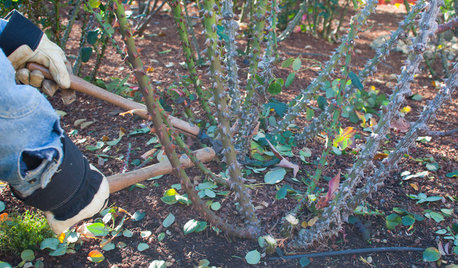
ROSESHow to Care for Your Roses Over Winter
Get advice on protecting against cold in cold-winter regions and pruning and planting in mild-winter regions
Full Story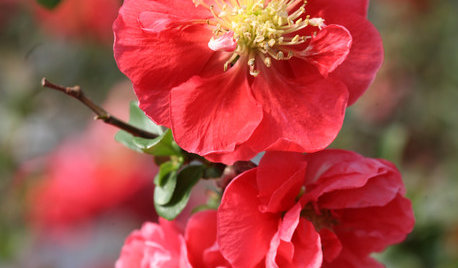
WINTER GARDENINGCalifornia Gardener's January Checklist
Winter-defying blooms and pruning saws earn a cheer, while California-focused gardening design books get a well-deserved shout-out
Full Story
GARDENING GUIDESSouthwest Gardener's July Checklist
Hold on to your hat and prune those tree branches; monsoon season means damage prevention is key
Full Story
GARDENING GUIDESPacific Northwest Gardener: What to Do in May
Take advantage of May's warmth to prune spring blooms and plant vegetables and annuals for a summer bounty
Full Story

User