

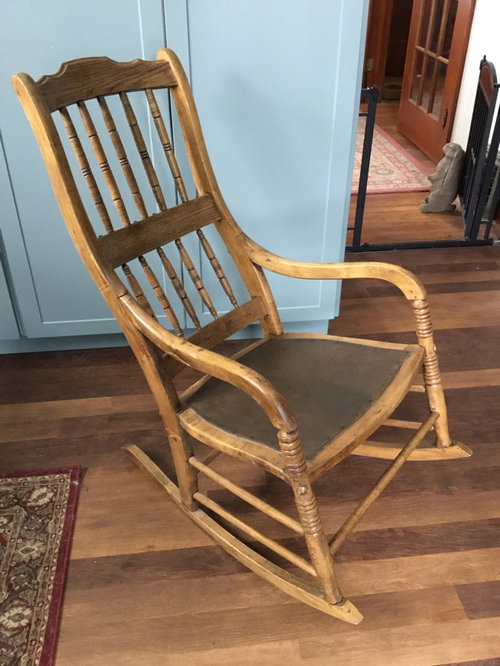
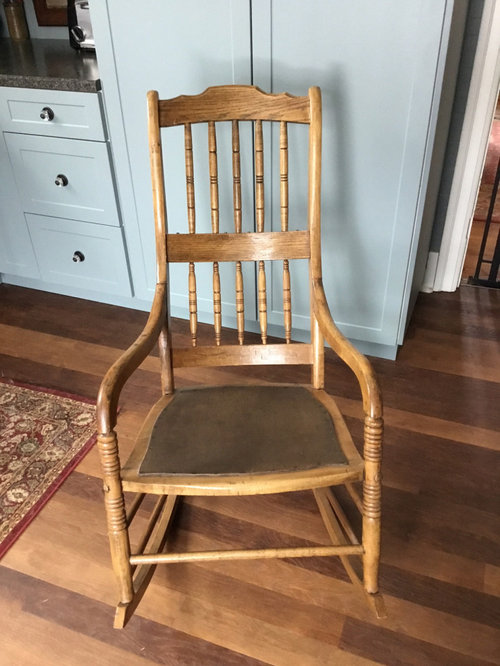
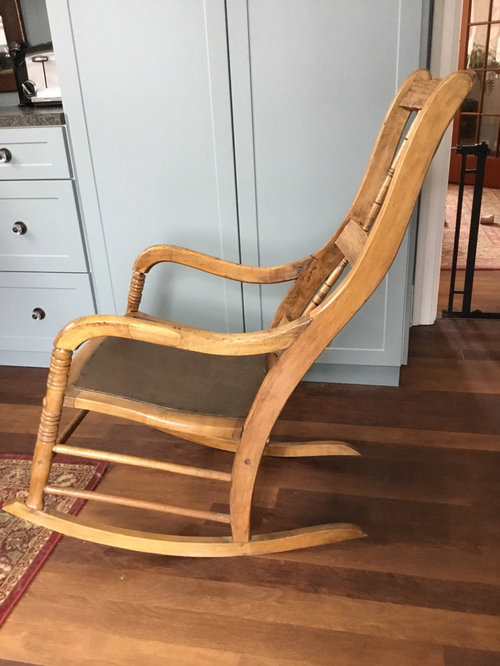
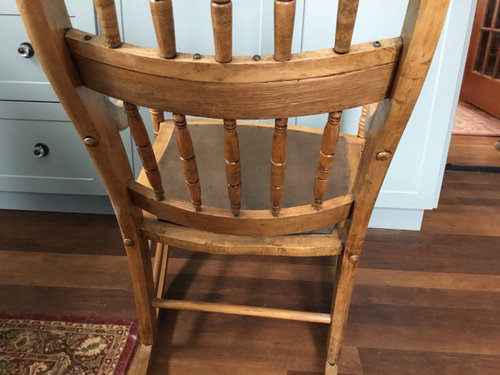
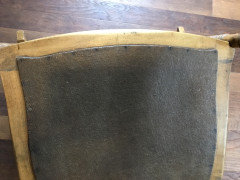
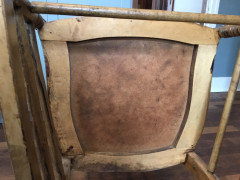
Please help to identify this old rocking chair...
5 years ago
last modified: 5 years ago
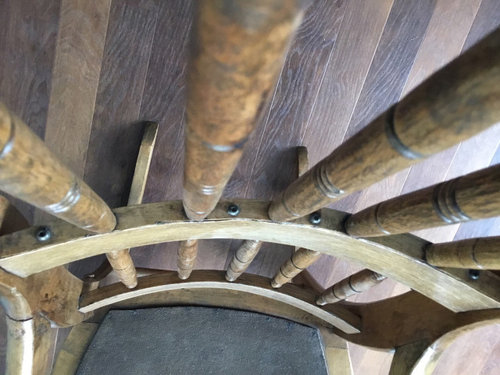
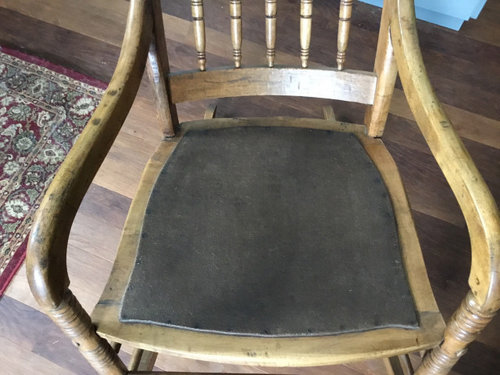
Featured Answer
Sort by:Oldest
Comments (7)
- 5 years ago
Related Professionals
Charleston Cabinets & Cabinetry · Plymouth Cabinets & Cabinetry · Hackettstown Cabinets & Cabinetry · Salinas Cabinets & Cabinetry · Burlington Carpenters · Lake City Flooring Contractors · Asheville Flooring Contractors · Stamford Flooring Contractors · Bangor Flooring Contractors · Ashland Furniture & Accessories · Cumberland Cabinets & Cabinetry · El Dorado Furniture & Accessories · San Angelo Furniture & Accessories · Providence Interior Designers & Decorators · Tulsa Carpenters- 5 years ago

Related Stories

UNIVERSAL DESIGNMy Houzz: Universal Design Helps an 8-Year-Old Feel at Home
An innovative sensory room, wide doors and hallways, and other thoughtful design moves make this Canadian home work for the whole family
Full Story
DIY PROJECTSDining Set Makeover: Paint and Tea-Tinted Fabric Make Old Chairs New
Reclaim dated dining chairs for far less than buying new, using spray paint, modern fabric and a handful of tea bags
Full Story
KIDS’ SPACESRocking Chairs and Gliders for the Nursery and Beyond
Forget cutesy prints and colors. These chairs can transition to any room in the home when baby is all grown up
Full Story
HOME OFFICESQuiet, Please! How to Cut Noise Pollution at Home
Leaf blowers, trucks or noisy neighbors driving you berserk? These sound-reduction strategies can help you hush things up
Full Story
TRANSITIONAL HOMESHouzz Tour: The Science of Blending Old and New
An interior designer helps clients pull together modern furniture and heirloom pieces in a classic home
Full Story
TRADITIONAL HOMESMy Houzz: A Centuries-Old French Estate Charms Again
Time and local artisans help a couple realize an idyllic French country retreat — and you can rent it
Full Story
STUDIOS AND WORKSHOPSYour Space Can Help You Get Down to Work. Here's How
Feed your creativity and reduce distractions with the right work surfaces, the right chair, and a good balance of sights and sounds
Full Story
TRADITIONAL STYLEGet to Know Louis-Style Chairs
If you find remembering the differences in chair styles from 3 kings’ reigns to be a royal pain, these cheat sheets can help
Full Story
KITCHEN DESIGNKitchen of the Week: White Cabinets With a Big Island, Please!
Designers help a growing Chicago-area family put together a simple, clean and high-functioning space
Full Story
DECORATING GUIDESDIY Project: Sit Pretty with Mismatched Chairs
Create a one-of-a-kind dining set from a collection of cast-offs
Full Story



maifleur03