Software
Houzz Logo Print
crbonade

Repotting questiom

Hi everyone, semi-random repotting question for you all: when you get a new plant, do you repot it right away into a better-draining mix or do you let it adjust/recover from shipping for a week or two and then repot?
I've seen directions to do it both ways (some sites say the plant needs to recover first so you don't shock it to death, some say letting it recover and then shocking it a second time is worse), so curious if there's any science behind which way might actually be better, or if anyone has done any experiments to see if one or the other might be preferred.
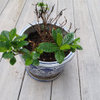
I normally repot immediately (mostly out of impatience), but just got 2 new plants in so I figured I'd ask for opinions for once lol. The dracaena looks root-bound (I can see circling roots when I peek through the drainage holes) so I'll probably repot that quickly regardless, but not sure how the fiddle leaf fig's roots are doing yet.

Comments (3)

  • 5 years ago


  • 5 years ago

    I know people that do it both ways. I believe it is really personal preference. My preference is to wait a few weeks. Plenty of people do it the other way and have success. I say do what makes you feel better.


    With that being said, Fiddle Leaf Figs are notoriously finicky. If you repot, it may throw a tantrum and show you a lesson!

  • 5 years ago

    I only repot figs in late spring according to the calendar as opposed to what sort of weather Mother Nature is providing. The reason: The plant recovers faster when it has high energy reserves and day length and light intensity are about to peak. That occurs at the summer solstice on Jun 21 if you live in the Northern Hemisphere.

    The plant's ability to cope with the stress of a full repot (bare-rooting, root pruning, a change of grow medium) varies very significantly over the course of a growth cycle. Unless you're artificially controlling light, humidity, and temperatures, fall through early spring is not a good time to repot, because the plant will take months to recover instead of pushing new growth within 2 weeks of even a hard repot (1/2-2/3 of roots and all soil removed). Since the chemicals plants use to fight disease and insect infestations are a byproduct of the plant's metabolism, repotting out of reason and the accompanying slow recovery leaves the plant very vulnerable to insects and disease for an extended period.

    I frequently run up against the argument that a grower should repot whenever they feel like it because it's your plant and an out-of-season repot is unlikely to kill it. That is true, but you can also skip changing the oil in your car without any apparent problem, until there comes an expensive repair bill or worse. It's best to plan hard work (repotting/ heavy pruning) to coincide with when the plant is strongest and avoid any unnecessary stress during the weaker months of the growth cycle. You probably enjoy growing things because you have a nurturing bone that needs attention. Making a plan to save your plants from unnecessary stress will give you the satisfaction of knowing you're acting on your plants' behalf.

    If you purchase a healthy plant in late May or June, there is no reason you can't repot it immediately. The idea that a plant needs to adjust to a new site is a myth. I've repotted many Ficus and other tropical or subtropical trees purchased in summer on the day of the purchase. I reason the sooner they're in better soil, the better off they'll be; however, the calendar ultimately dictates whether of not I'll repot a plant. That goes for all the potted trees I tend. When it comes to timing, I'll skip poor, sorta ok, alright, and wait for 'best' every time. Same goes for the dracaena.

    Al


0
Sponsored
Peabody Landscape Group
Average rating: 3.5 out of 5 stars8 Reviews
Franklin County's Reliable Landscape Design & Contracting