

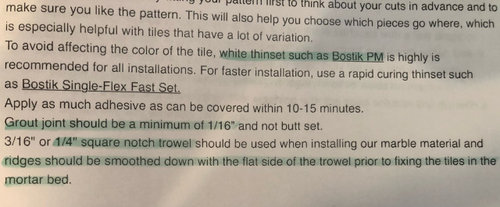
Tile installation...smooth ridges??
5 years ago
Sort by:Oldest
Comments (8)
Related Stories

REMODELING GUIDESContractor Tips: How to Install Tile
Before you pick up a single tile, pull from these tips for expert results
Full Story
KITCHEN BACKSPLASHESHow to Install a Tile Backsplash
If you've got a steady hand, a few easy-to-find supplies and patience, you can install a tile backsplash in a kitchen or bathroom
Full Story
BATHROOM DESIGNHow to Match Tile Heights for a Perfect Installation
Irregular tile heights can mar the look of your bathroom. Here's how to counter the differences
Full Story
FLOORSHow to Get a Tile Floor Installed
Inventive options and durability make tile a good choice for floors. Here’s what to expect
Full Story
TILELet’s Talk Tile: An Alphabetical Guide to Tile Terminology
Get set for a tile project with this handy glossary of shapes, materials, finishes and more
Full Story
PETSHow to Install a Dog-Washing Station
Find out the options for pet showers and bathing tubs — plus whom to hire and what it might cost
Full Story
BATHROOM DESIGNHow to Install a Toilet in an Hour
Putting a new commode in a bathroom or powder room yourself saves plumber fees, and it's less scary than you might expect
Full Story
MATERIALSThe Most Popular Roofing Material is Affordable and Easy to Install
Asphalt shingles, the most widely used roof material in the U.S. are reliable and efficient, and may be right for you
Full Story
TILEWhen Bigger Is Better: The Dramatic Look of Large-Format Tiles
With fewer grout lines, this versatile material brings a smooth appearance to walls and floors
Full Story
BATHROOM DESIGNBring the Pleasures of Water-Smoothed Pebbles to the Bath
Celebrate summer all year with pebble tiles and river rocks that create that lazy river feeling at home
Full Story


wdccruise
Libby K.Original Author
Related Professionals
Nashua Home Remodeling · Oneonta Home Remodeling · Sierra Vista Home Remodeling · Kirksville General Contractors · Marietta Bathroom Remodelers · Santa Fe Furniture & Accessories · New Haven Carpenters · Olean Carpenters · Durango Carpenters · Chattanooga Custom Closet Designers · Durango Custom Closet Designers · Columbus Home Remodeling · Sierra Vista Home Remodeling · Ogden Home Remodeling · Cumberland Kitchen RemodelersSeabornman
formulaross20
Libby K.Original Author
Seabornman
formulaross20
User