

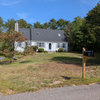
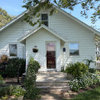
Barberry ID plus bonus question!
5 years ago



Featured Answer
Sort by:Oldest
Comments (11)
 5 years ago
Related Professionals
Spartanburg Landscape Contractors · Akron Landscape Contractors · Green Bay Landscape Contractors · Wichita Landscape Architects & Landscape Designers · Galveston Landscape Architects & Landscape Designers · Natchitoches Landscape Contractors · Rochester Landscape Contractors · Wilmington Home Builders · Chico Home Builders · Coos Bay Home Builders · Albany Landscape Contractors · Beaumont Landscape Contractors · Roanoke Landscape Contractors · Cedar Rapids Landscape Contractors · Hartford Decks, Patios & Outdoor Enclosures 5 years ago
- 5 years agolast modified: 5 years ago
- 5 years ago
- 5 years ago
- 5 years agolast modified: 5 years ago
- 5 years agolast modified: 5 years ago
- 5 years ago
 5 years ago
 5 years ago
Related Stories
LIGHTING5 Questions to Ask for the Best Room Lighting
Get your overhead, task and accent lighting right for decorative beauty, less eyestrain and a focus exactly where you want
Full Story
KITCHEN DESIGN9 Questions to Ask When Planning a Kitchen Pantry
Avoid blunders and get the storage space and layout you need by asking these questions before you begin
Full Story
ARCHITECTURE5 Questions to Ask Before Committing to an Open Floor Plan
Wide-open spaces are wonderful, but there are important functional issues to consider before taking down the walls
Full Story
GREEN BUILDINGConsidering Concrete Floors? 3 Green-Minded Questions to Ask
Learn what’s in your concrete and about sustainability to make a healthy choice for your home and the earth
Full Story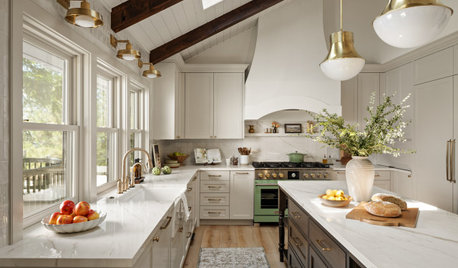
WORKING WITH PROS8 Questions to Ask Yourself Before Meeting With Your Designer
Thinking in advance about how you use your space will get your first design consultation off to its best start
Full Story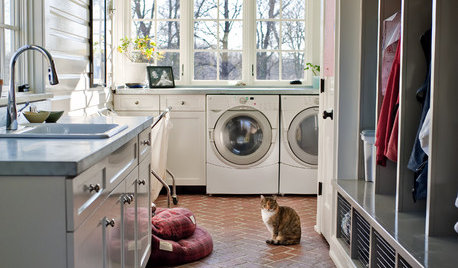
LAUNDRY ROOMSGet More From a Multipurpose Laundry Room
Laundry plus bill paying? Sign us up. Plus a potting area? We dig it. See how multiuse laundry rooms work harder and smarter for you
Full Story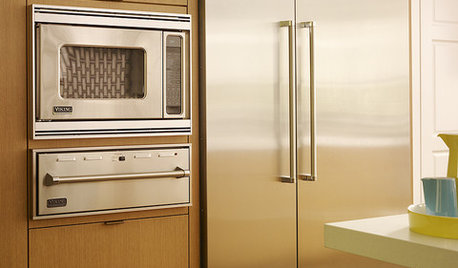
KITCHEN DESIGNA Cook’s 6 Tips for Buying Kitchen Appliances
An avid home chef answers tricky questions about choosing the right oven, stovetop, vent hood and more
Full Story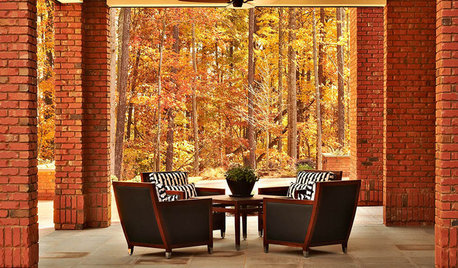
ARCHITECTUREGet a Perfectly Built Home the First Time Around
Yes, you can have a new build you’ll love right off the bat. Consider learning about yourself a bonus
Full Story
LIGHTINGHow to Choose Color Temperature When Buying LED Lightbulbs
Should you get warm or cool bulbs? To find out, answer these 5 simple questions about how you live and work at home
Full Story
MOST POPULARHow High Should You Mount Your TV?
Today we look at an important question to consider when locating your television: How high should you set it?
Full Story

JoJo (Nevada 9A)