

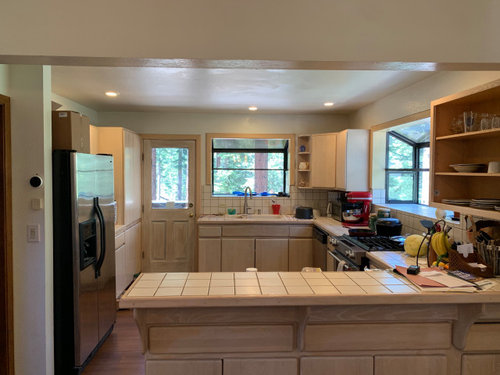
How to vent a range in this location?
5 years ago
last modified: 5 years ago
Sort by:Oldest
Comments (5)
Related Stories

SHOP HOUZZHighest-Rated Range Hoods and Appliances
Take your kitchen design up a notch with these highly sought-after appliances
Full Story0
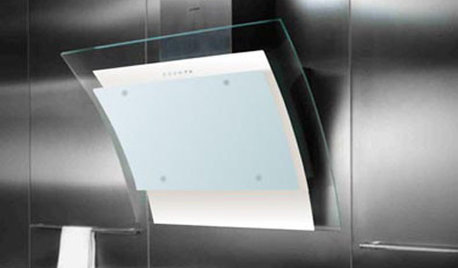
5 Stunning Modern Range Hoods
Today's kitchen range hoods can look like sleek sculptures. Here's what to look for when you go shopping for one
Full Story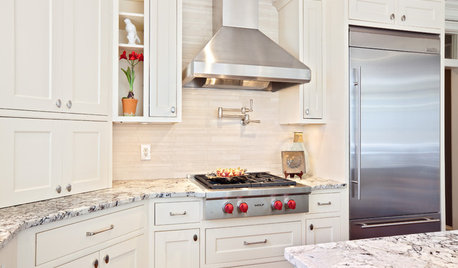
KITCHEN DESIGNHome Above the Range: Smart Uses for Cooktop Space
With pot fillers, shelves, racks and more, you can get the most function out of the space above your kitchen range
Full Story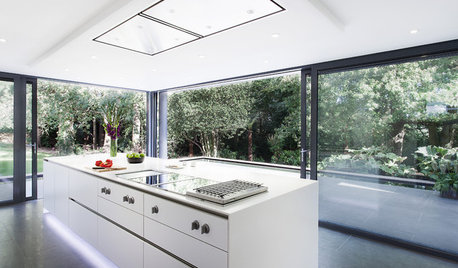
KITCHEN APPLIANCESDisappearing Range Hoods: A New Trend?
Concealed exhaust fans cut visual clutter in the kitchen
Full Story
KITCHEN DESIGNHow to Get Your Range Hood Right
Get a handle on the technical specs, and then learn about fun design options for creating a beautiful kitchen feature
Full Story
KITCHEN APPLIANCESWhat to Consider When Adding a Range Hood
Get to know the types, styles and why you may want to skip a hood altogether
Full Story
KITCHEN DESIGN10 Terrific New Ideas for Wrapped Range Hoods
See how designers use various materials and ornamentation to play up or play down a covered kitchen range hood
Full Story
HOUSEKEEPINGHow to Clean Your Range and Oven
Experts serve up advice on caring for these kitchen appliances, which work extra hard during the holidays
Full Story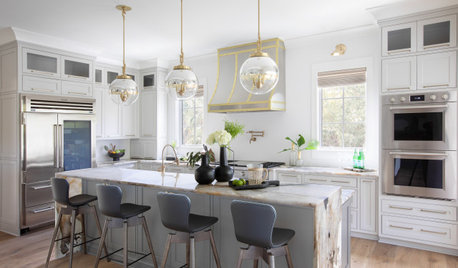
KITCHEN DESIGNDesigner Tips for Range Hoods, Appliances and Lighting
Learn how to get your microwave height just right, what kind of bar stool will be most comfortable and more
Full Story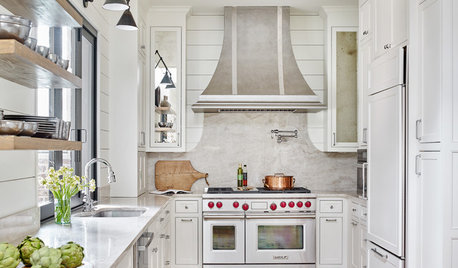
KITCHEN APPLIANCESHouzz Call: Show Us Your Creative Range Hood
Have you customized your kitchen’s range hood? Please tell us all about it
Full Story
houssaon
dan1888
Related Professionals
Albert Lea Kitchen & Bathroom Designers · Roswell Kitchen & Bathroom Designers · Bowling Green Bathroom Remodelers · Johnson City Bathroom Remodelers · Plymouth Bathroom Remodelers · Lansing Kitchen Remodelers · Topeka Interior Designers & Decorators · Huntington Interior Designers & Decorators · Bismarck Interior Designers & Decorators · Galveston Architects & Building Designers · Minot Architects & Building Designers · Glenwood Springs Kitchen & Bathroom Designers · York Kitchen & Bathroom Designers · Williamsburg Kitchen Remodelers · Green Bay Kitchen Remodelersopaone
Debbi Washburn
kaseki