

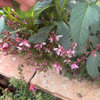
rippled leaves ground cover
5 years ago
last modified: 5 years ago
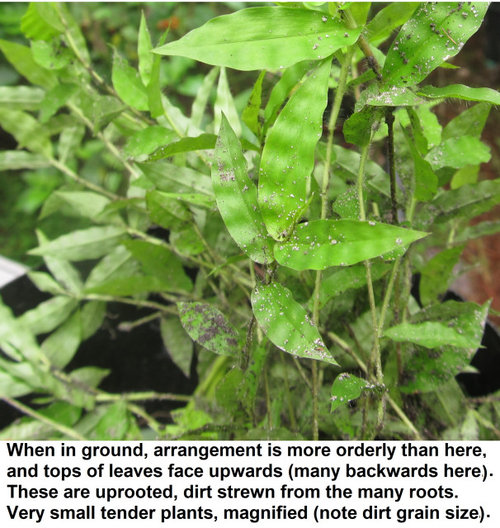
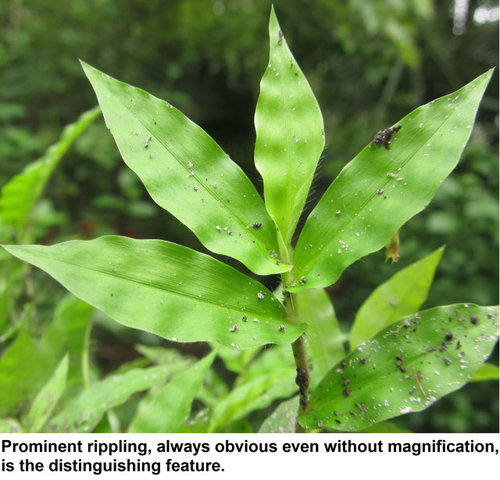
Featured Answer
Sort by:Oldest
Comments (17)
 5 years ago
 5 years agolast modified: 5 years ago
Related Professionals
Carson City Landscape Architects & Landscape Designers · Forrest City Landscape Contractors · Modesto Stone, Pavers & Concrete · Santa Barbara Stone, Pavers & Concrete · Myrtle Beach Landscape Architects & Landscape Designers · Poughkeepsie Landscape Architects & Landscape Designers · Evansville Landscape Contractors · Cumberland Landscape Contractors · Jackson Landscape Contractors · Beckley Landscape Contractors · Mankato Landscape Contractors · Willmar Landscape Contractors · Charleston Kitchen Remodelers · South Bend Kitchen Remodelers · Queens Kitchen Remodelers 5 years ago
- 5 years agolast modified: 5 years ago
- 5 years agolast modified: 5 years ago
- 5 years ago
 5 years ago
- 5 years agolast modified: 5 years ago
- 5 years ago
 5 years agolast modified: 5 years ago
- 5 years agolast modified: 5 years ago
 5 years ago
- 5 years ago
Related Stories
GROUND COVERSGround Force: 10 Top Ground Covers for Your Garden
Protect your soil from weeds and drought this summer with a living mulch of ground covers
Full Story
GARDENING GUIDESGreat Design Plant: Bugle Weed, a Quick Ground Cover
It’s highly adaptable, suppresses weeds, reduces erosion and provide weeks of bright flowers. Just watch for invasiveness
Full Story
FLOWERS AND PLANTSPlant This Flowering Ground Cover for Texture, Color and Wildlife
False heather, also called Mexican heather, adds color to gardens with flowers that welcome butterflies and hummingbirds
Full Story
LANDSCAPE DESIGN6 Great Ways With Garden Ground Covers
Use them as problem solvers, weed killers, color and texture providers ... ground cover plants have both practical and visual appeal
Full Story
GROUND COVERS10 Succulents That Make Pretty, Easy-Care Ground Covers
These low-growing succulents create interest in the drought-tolerant garden
Full Story
FLOWERS AND PLANTSThis Fragrant, Flowering Ground Cover Thrives Under Shady Oaks
Island gooseberry, or Ribes viburnifolium, is a California native that’s at home in low-water gardens
Full Story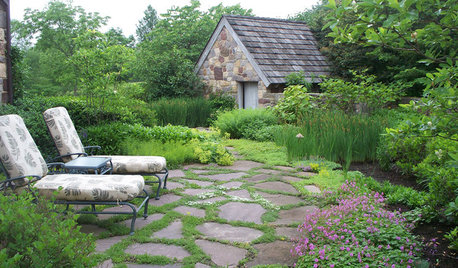
GARDENING GUIDESLow-Maintenance Ground Covers to Go With Your Pavers
These 8 plants will fill the spots between steppingstones, gaps in flagstone patios and other garden nooks and crannies
Full Story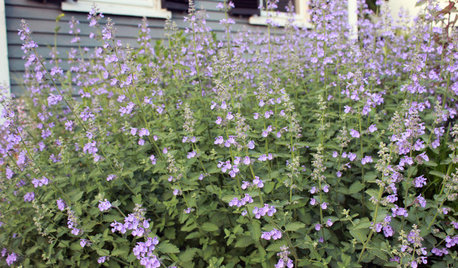
GARDENING GUIDES5 Weed-Smothering Ground Covers
Let these landscape plants do the dirty work of choking out weeds while you sit back and enjoy the view
Full Story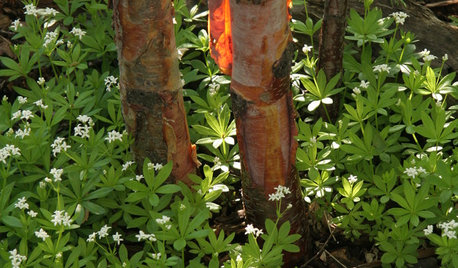
GARDENING GUIDES6 Deer-Resistant Ground Covers to Plant This Fall
Learn about some of the only low, spreading plants that are reliably deer-resistant
Full Story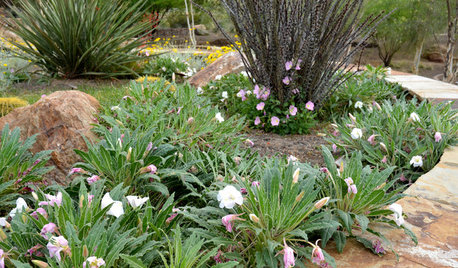
GARDENING GUIDES10 Native Ground Covers for Southwestern Landscapes
Create a carpet of color in your landscape with one or more of these sun-loving plants
Full Story
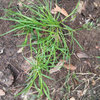
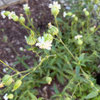
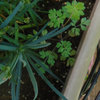
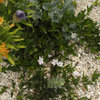
four (9B near 9A)Original Author