Software
Houzz Logo Print
webuser_582039602

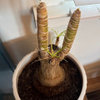
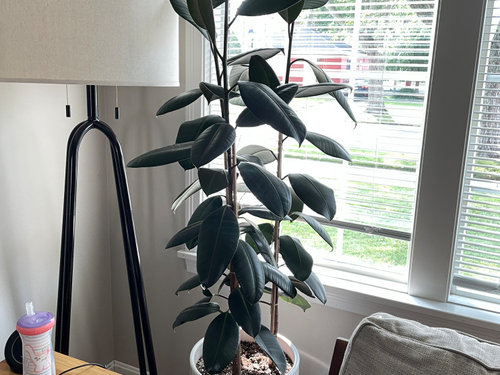
Indented areas on Rubber Tree leaves

4 years ago
last modified: 4 years ago
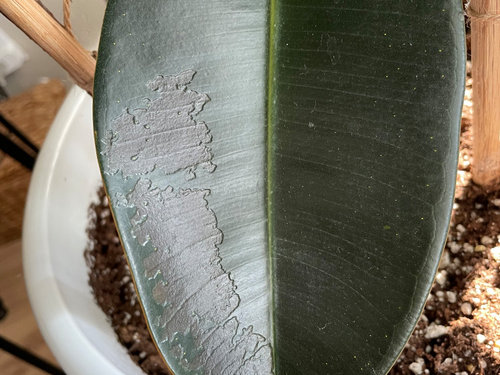
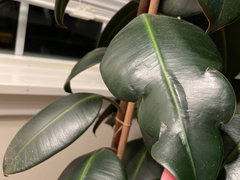
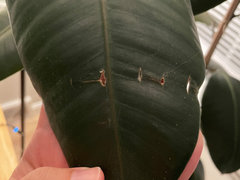
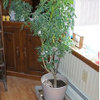
I've had this Rubber Tree for 5ish years and this summer it has been putting out the largest leaves it ever has. The past few weeks I noticed these indented areas on a few of the lower leaves and it seems to be happening to more and more of them. Anyone have any idea what is causing it?? I water it heavily once a week, sometimes twice if I notice it seems dry. I can't seem to find any similar problems with this plant on any forums online. Not sure if it is underwatering, overwatering, or maybe bacterial?? Note: It sits in a west facing window and I live in New York.


Comments (8)

  • 4 years ago

    Does the under side of the leaf have corky brown patches immediately beneath the indentations?

    Al

  • 4 years ago

    Nope, the bottom looks the same as any other leaf. You wouldn’t know anything was on top by looking at the bottom of them.

  • 4 years ago
    last modified: 4 years ago
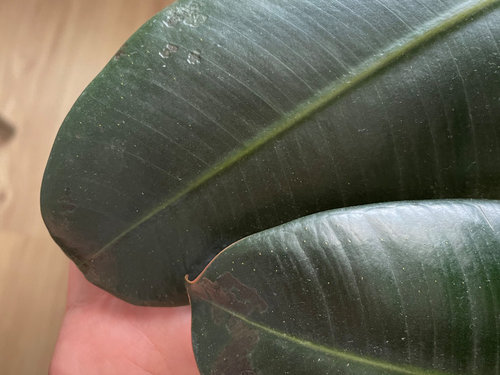
    Any chance it was exposed to something chemical..., cleaning sprays, insecticides...

    The damage looks vaguely familiar to me.

  • 4 years ago

    Al – if the original poster's leaves indeed had brown/cork-y patches on the corresponding undersides of the leaves, what might your diagnosis have been then?

  • 4 years ago
    last modified: 4 years ago
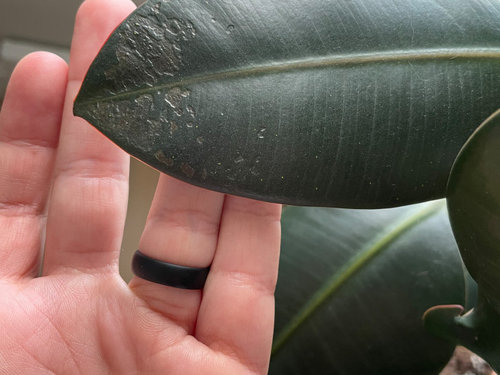
    Oedema - a physiological disorder.

    Al

  • 4 years ago
    last modified: 4 years ago
    Thank you for the in depth information!


    All of the spots are on lower older leaves, none of the new leaves show any signs of this. I have one or two leaves that are a bit misshapen like you mentioned, but none of these deformed leaves have the spots either. The most misshapen leaf is 1-2 years old though (I figured it was a fluke).


    I will definitely look at my watering - though I am watering it plentifully, after reading more into it I think I may need to spread my watering out more than I have been as of late. I know it's not in the best draining soil/pot so I'll look at that as well.

    So far oedema seems like the most likely culprit. As you sent that name Al, I searched a bit more and found it on a few forums that talk about the same thing. Though by not having the spots on the bottom I'm not fully sure.

  • 4 years ago

    All of the spots are on lower older leaves, none of the new leaves show any signs of this. I have one or two leaves that are a bit misshapen like you mentioned, but none of these deformed leaves have the spots either. The most misshapen leaf is 1-2 years old though (I figured it was a fluke). Natural senescence, which is accompanied by gradual degradation of cell division and function without cell death often cause older leaves to eventually be shed. A reduction in the amount of light energy striking leaf surfaces, whether the cause is a change in the plant's location/ position relative to the light source/ or lower leaves being shaded by new leaves occurring above affected leaves, can also cause shedding, as can root congestion, low fertility, too much or too little water, and a few others less common. Part of the shedding process, the first part to occur, is resorption, during which the plant removes and recycles nutrients mobile within the plant and other valuable biocompounds. During late stages of resorption, the plant forms a wall of cork called the abscission layer, which effectively walls the plant off from the leaf. This process is irreversible and the leaf eventually separates from the plant at the abscission layer. This layer first limits, then stops water movement into the leaf, which causes cells to desiccate and shrink. The shedding process could easily be to blame, but we might never know the reason for the shedding. Sometimes the best thing to do is review our cultural practices and look for ways to improve.

    The malformed leaves are likely the result of over-watering, which limits the plant's ability to absorb Ca(lcium), and we already learned that Ca must be in the plant's nutrient stream at all times if cells/tissue are to form normally.

    I will definitely look at my watering I think that would be a very good thing to do, and you'll find using the wooden 'tell' I talked about above to be a very effective way of avoiding over or under-watering. - though I am watering it plentifully, after reading more into it I think I may need to spread my watering out more than I have been as of late. I know it's not in the best draining soil/pot so I'll look at that as well. The medium you choose to use will have a very significant influence on what results you'll be able to achieve. Most commercially prepared grow media are inappropriately water-retentive for most plants normally grown indoors, and rob you of your ability to provide the best opportunity for your plants to realize as much of their genetic potential as possible.

    Too much water in the medium limits root function and causes death of fine roots. The longer the medium remains saturated, the larger the roots are which succumb to the low oxygen condition that accompanies over-watering. When this occurs, the plant's chemical messengers tell plant central to stop top growth until the damage to roots has been repaired and the plant is again able to support growth of additional top mass. This cyclic death and regeneration of roots steals valuable energy that otherwise would have gone to added growth and better defenses (against insects, disease, and abiotic pathogens, and can rob the plant of massive amounts of potential.

    If you're serious about wanting to increase your proficiency as related to growing in pots, you working toward gaining some knowledge of how critical your grow medium is to seeing your endeavors bear fruit. This Overview of Good Growing Practices would be a good place to start.

    So far oedema seems like the most likely culprit. As you sent that name Al, I searched a bit more and found it on a few forums that talk about the same thing. Though by not having the spots on the bottom I'm not fully sure. I don't believe it can rightly be diagnosed as oedema as it isn't presenting like oedema; and while I can't say with my normal degree of certainty that fine-tuning your watering practices will be the ultimate fix, I have a strong sense that more light and refining your watering practices will probably cut short any recurrence.

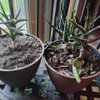
    BTW - the first image in your post immediately above was caused by a Ca deficiency. The picture below it is mechanical injury.

    Al

Sponsored
Urban Upkeep LLC
Average rating: 5 out of 5 stars6 Reviews
Columbus High Quality Painting Expert