

Advice on Starting a Pollinator Garden
4 years ago
Featured Answer
Sort by:Oldest
Comments (7)
- 4 years ago
Related Professionals
Danville Landscape Architects & Landscape Designers · Bloomington Landscape Architects & Landscape Designers · Salem Landscape Architects & Landscape Designers · Gainesville Landscape Contractors · Lake City Landscape Contractors · Atlanta Landscape Contractors · McAllen Landscape Contractors · Fort Wayne Landscape Contractors · Enfield Home Builders · Barnstable Landscape Architects & Landscape Designers · Florence Landscape Contractors · College Station Landscape Contractors · Cedar Rapids Landscape Contractors · Vidalia Home Builders · Nashua Home Builders- 4 years ago
- 4 years ago


Related Stories
REGIONAL GARDEN GUIDESWelcome the Turning Season: Advice for Your September Garden
Roll with the cooler weather by planting away. Our gardening guides tell you what plant picks are best for each U.S. region
Full Story
GARDENING GUIDESGet a Head Start on Planning Your Garden Even if It’s Snowing
Reviewing what you grew last year now will pay off when it’s time to head outside
Full Story
GARDENING GUIDES10 Tips to Start a Garden — Can-Do Ideas for Beginners
Green up your landscape even if you're short on time, money and knowledge, with these manageable steps for first-time gardeners
Full Story
EARTH DAYHow to Grow a Modern Pollinator Garden
You can have a minimalist design and bees too by massing thoughtfully chosen pollen- and nectar-rich flowers
Full Story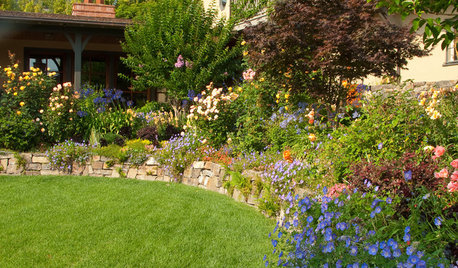
LANDSCAPE DESIGNHow to Design an HOA-Approved Pollinator Garden
Take these steps and be aware of these issues to create a landscape that helps nature thrive
Full Story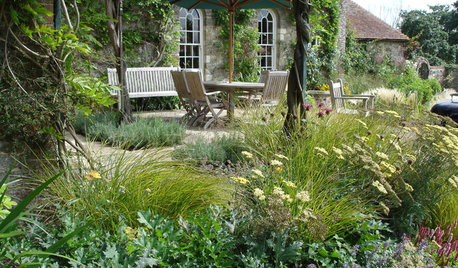
INSPIRING GARDENS7 Pollinator-Friendly Gardens to Inspire Your Summer Borders
Welcome birds, bees, butterflies and other beneficial insects with these favorite plants and smart design strategies
Full Story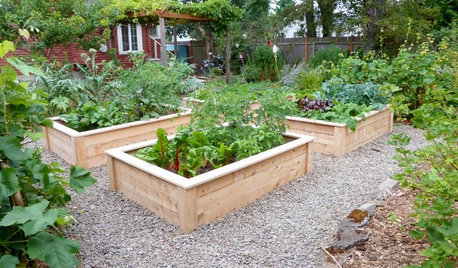
GARDENING GUIDES12 Tips to Help You Start an Edible Garden
Get on your way to growing your own vegetables with a raised bed or a few containers on the patio
Full Story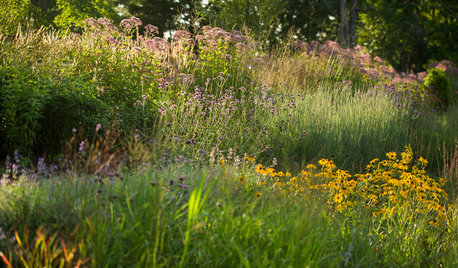
GARDENING GUIDESWhat to Know About Starting Your First Native Plant Garden
Fall is an ideal time to plant a sustainable garden that supports wildlife and looks good too
Full Story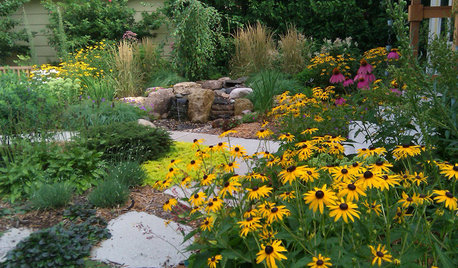
FALL GARDENINGSee How Just 1 Ingredient Can Jump-Start a Dazzling Fall Garden
Give tired, end-of-season borders a boost with one of these high-impact plants that cross over from summer to fall
Full Story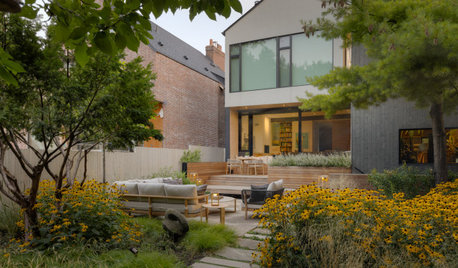
GARDENING GUIDESDesign a Beautiful Fall Garden Pollinators Will Love
Consider using these design principles and wildlife-friendly practices in your landscape
Full Story
gardengal48 (PNW Z8/9)