Software
Houzz Logo Print
heruga

Saw first lanternfly in my garden-now what?

4 years ago
last modified: 4 years ago
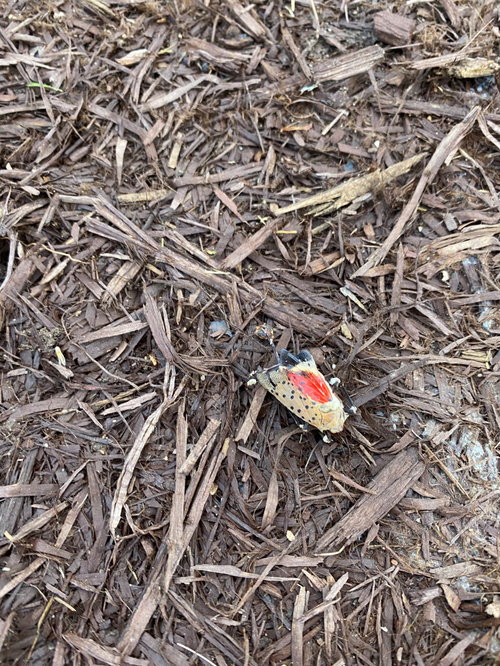
Actually I may be the first one to witness one in my whole county. While there are widespread in other counties of NJ, including my workplace, there have been no reports of one in Bergen county according to my research from the internet. I found a dead one today as I was raking up leaves and I just stood still for a few seconds picturing the pitch blackness aura in my garden. I want to know what I should expect before I get all excited for next year and plant my seedling trees that I dream to see as big trees in the far future. They seem to host onto just about any plant including pines which is very surprising and discouraging to hear because I have a lot of conifers. Looks like the apocalypse of all NJ gardens is just a matter of time? We use hornets spray at work to kill the lanternflies and it seems to work but it certainly won’t do anything for large scale extermination or on my trees that becomes 50+ft one day. I am a little bummed out on this saturday night


Comments (14)

  • 4 years ago

    Start by notifying your local county extension service. I’m sure they would want to know and they may have some solutions.

    tj

  • 4 years ago

    If is dead or you killed, it take to your local county extension service for positive identification. If you don't have a county extension service, contact the municipal parks department, or your local high school and asked to contact some one on the biological staff.


    If it is a Lantern fly the sooner they can act to stop the spread the better everyone will be.

  • 4 years ago

    Crap… I dumped it together with the leaves in the pile.. I still have the picture so that should be enough. My local extension service is 1.5 hours away so I will call the borough but from past experience they don’t do much at all. I guess I’ll have to to do what I can do but I honestly don’t see much hope anymore at this point

  • 4 years ago

    In my area cooperative extension is hanging traps.

  • 4 years ago

    Well, despair it is. All of my favorite deciduous trees that I grow happen to be host plants of the stupid bug. I am considering systemic insecticide now, there are many other perennials in my garden that the caterpillars can chew on. But does it harm pollinators? Or only insects that digest the plant parts die? I don't want to harm any bees as they are important pollinators.

  • 4 years ago
    last modified: 4 years ago

    You might want to do little more research, as I saw at least a dozen lanternflies in Bergen County while visiting family over the summer. You can also check out more authoritative information from the Rutgers Cooperative Extension program (which also confirms they're present in every county in the state):

    https://njaes.rutgers.edu/spotted-lanternfly/

    "If is dead or you killed, it take to your local county extension service for positive identification.

    Heruga's photo shows a very obvious adult spotted lanternfly. There's no further "positive identification" needed. They're pretty distinctive.

  • 4 years ago

    Call the Extension. Here you can email them photos; you may be able to do the same.

  • 4 years ago

    Oh I didn’t know that. I guess they were here all along. I pretty much have every tree in that list by my property. Neighbors have 3 giant red maples in total which grow on the border of my property and theirs. Also a weeping willow, some black walnuts, a lot of ampelopsis grapes. I can see my place being converted to ‘lanternfly city‘.

  • 4 years ago

    Learn to identify egg masses and look for those. You can use dormant oil to kill the eggs. An occasional adult flying through won't damage your plants, it's the egg masses that you need to destroy.

  • 4 years ago

    Cecily's words above are very important!!! This new arrival to our country reminds me of years ago when the Gypsy moth ravaged New England. We started an all-out media campaign educating everyone on identifying Gypsy moth egg clusters and how to destroy them. Scout troops joined in searching. I gave a number of demonstration talks on the subject to Rotary groups, etc. Local TV stations and newspapers aided our education efforts. And, in areas where communities joined together, it made a difference.


    The Lanternfly has not found my local yet so I have been doing on-line research. It appears that the egg masses can have different colors and shapes. Numerous pictures of them are available as you research the subject. For those in affected areas....organize!!! You have these several winter, early spring days to locate and paint egg masses with dormant oil. Learn how and where to search for egg clusters to paint. Work together!


  • 4 years ago

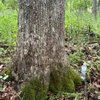
    That’s also my problem, I have a hard time identifying those eggs! I was looking on some trees and there are so many other types of blemishes on tree barks whether its lichen or some other algae like spots and its very hard to distinguish for iI me. I was looking at a white pine next to my property and its got white all over it I can’t tell whats what

  • 4 years ago
    last modified: 4 years ago

    https://massnrc.org/pests/blog/?p=2680

    Hope this helps.

    eta: There are links contained in the article above to report to the NJ and other extension offices.

  • PRO
    4 years ago

    If you have found a lanternfly, please contact the NJDA at 1-866-253-7189 or nj.gov/agriculture/plant-health/insects/public/lanternfly_form.html. Lanternflies are destructive invasive pests that feed on more than 70 host plants and can cause significant damage to the state's fruit, nut, ornamental, and forest industries. The NJDA is encouraging homeowners to report sightings to help with early detection efforts.

    The same things happen here https://www.incrementors.com/new-jersey-usa/

    in front of our company.

    In trees and vines, the spotted lanternfly causes severe damage such as sap oozing, wilting, leaf curling, and dieback.