

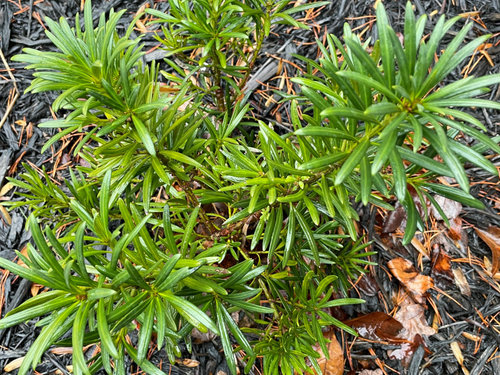
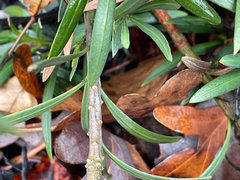
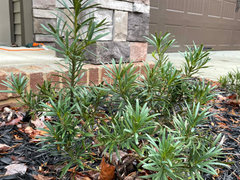
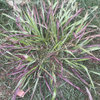
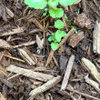
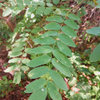
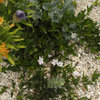
Unknown evergreen bush
4 years ago
Featured Answer
Sort by:Oldest
Comments (19)
 4 years ago
 4 years ago
Related Professionals
Crestview Landscape Architects & Landscape Designers · Murfreesboro Landscape Architects & Landscape Designers · Santa Barbara Landscape Architects & Landscape Designers · Cornwall Landscape Architects & Landscape Designers · Sarasota Landscape Contractors · Vincennes Landscape Contractors · Westminster Landscape Contractors · Hilton Head Island Landscape Contractors · San Antonio Landscape Contractors · Traverse City Landscape Contractors · Portsmouth Landscape Contractors · Decatur Stone, Pavers & Concrete · Panama City Stone, Pavers & Concrete · Baltimore Stone, Pavers & Concrete · Flint Stone, Pavers & Concrete- 4 years agolast modified: 4 years ago
- 4 years ago
- 4 years ago
- 4 years ago
 4 years ago
- 4 years agolast modified: 4 years ago
- 4 years ago
 4 years ago
- 4 years ago
- 4 years ago
 4 years agolast modified: 4 years ago
- 4 years ago
 4 years ago
- 4 years ago
- 4 years agolast modified: 4 years ago
Related Stories
CONTAINER GARDENSPatio-Perfect Berry Bushes Like You’ve Never Seen
Small enough for pots but offering abundant fruit, these remarkable bred berries are a boon for gardeners short on space
Full Story
GARDENING GUIDES8 Deer-Resistant Elegant Evergreen Shrubs to Plant This Fall
Who knew that such beautiful shrubs could be deer-resistant?
Full Story
GARDENING FOR BUTTERFLIESGreat Design Plant: Coyote Bush
Remarkably resilient, this coast-happy shrub attracts native wildlife — and its leaves have an unusual attribute
Full Story
GARDENING GUIDESGreat Design Plant: Curl-Leaf Mountain Mahogany, an Easy Evergreen
Use it as an accent plant or mass it as a screen; this pine and spruce alternative is a hard worker in dry, cold climates
Full Story
LANDSCAPE DESIGNGreat Design Plant: Old Fashioned Smoke Bush
Balance garden color with this shrub's cool blue-green foliage, luminous when backlit and sporting yellow-green flowers in spring
Full Story
GOLD FOLIAGEGreat Design Plant: Milk Bush
With a rubbery texture and cartoon-like branches, this succulent brings an unusual, exotic energy to landscapes and container gardens
Full Story
GARDENING GUIDESGreat Native Plant: California Flannel Bush
Forget watering once this bush is established. But the yellow burst in spring and summer, you'll remember
Full Story
GARDENING GUIDES6 Plants That Beat Butterfly Bush for the Wildlife Draw
It's invasive, a nonnative and a poor insect magnet. Check out these better alternatives to butterfly bush in the garden
Full Story
GARDENING GUIDESGreat Design Plant: Convolvulus Cneorum
Bush morning glory’s silvery foliage is transformed every day as pinkish buds open to reveal white flowers
Full Story
GARDENING AND LANDSCAPINGReimagine the Rose Garden
No need for boxlike bushes. Modern roses are breathtakingly beautiful mixed casually and with less formal shapes in the landscape
Full Story
Jay 6a Chicago