

Sacrificial anode for copper-clad ground rod
4 years ago
Sort by:Oldest
Comments (4)
Related Stories
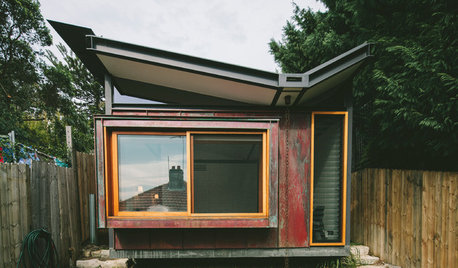
COTTAGE STYLEHouzz Tour: Beach Shack Reborn as a Copper-Clad Cottage
A tranquil home with a copper exterior lets in ocean air, sunlight and greenery on a challenging site
Full Story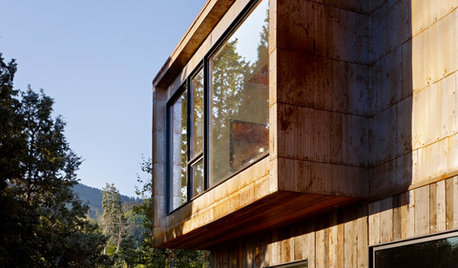
MODERN ARCHITECTUREDesign Workshop: Modern Metal Shingle Style
Steel, copper and zinc shingles take siding to new heights, with less maintenance than their wooden cousins
Full Story
MOST POPULARYour Guide to 15 Popular Kitchen Countertop Materials
Get details and costs on top counter materials to help you narrow down the choices for your kitchen
Full Story
MOST POPULARPhoto Flip: 50 Showers That Create a Splash
Find fresh inspiration in these bathrooms with mosaic and large-format tiles, pebble flooring and more
Full Story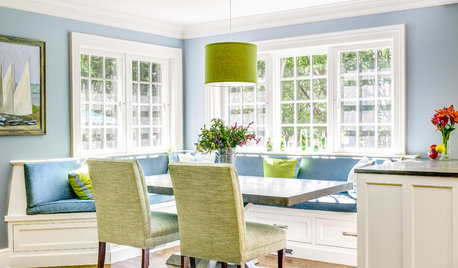
DECORATING GUIDESThe Dumbest Decorating Decisions I’ve Ever Made
Caution: Do not try these at home
Full Story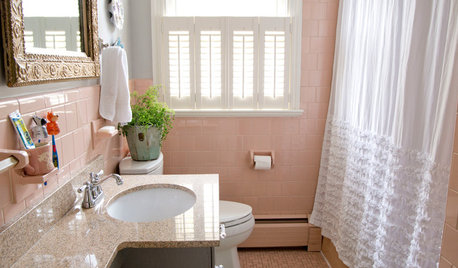
BATHROOM DESIGNHouzz Call: Have a Beautiful Small Bathroom? We Want to See It!
Corner sinks, floating vanities and tiny shelves — show us how you’ve made the most of a compact bathroom
Full Story
REMODELING GUIDESYou Won't Believe What These Homeowners Found in Their Walls
From the banal to the downright bizarre, these uncovered artifacts may get you wondering what may be hidden in your own home
Full Story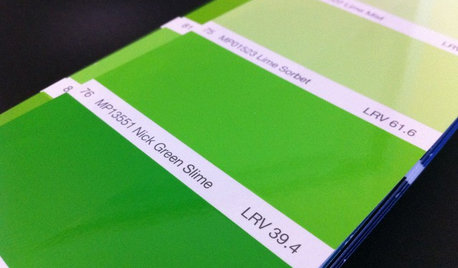
DECORATING GUIDESFrom Queasy Colors to Killer Tables: Your Worst Decorating Mistakes
Houzzers spill the beans about buying blunders, painting problems and DIY disasters
Full Story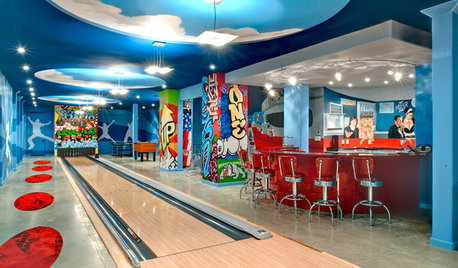
FUN HOUZZHouzz Quiz: What Should You Do With a Basement?
Take our quiz to find out if you should turn your subterranean space into a London pub, a Lego lounge or something else
Full Story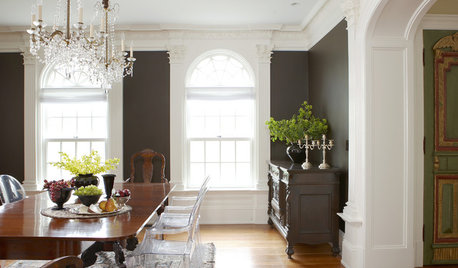
MOST POPULARDare to Decorate With ‘The World’s Ugliest Color’
See how this hue can actually look quite handsome inside your home
Full Story
Vargo Consulting, LLCOriginal Author
HU-867564120
Related Professionals
Boise General Contractors · Monroe Home Remodeling · Toms River Home Remodeling · Chicago Home Remodeling · Alexandria Home Remodeling · Watertown Home Remodeling · San Angelo Home Remodeling · Chula Vista Bathroom Remodelers · Kalispell Bathroom Remodelers · Seattle General Contractors · Brunswick Home Remodeling · Columbia Home Remodeling · Frisco Home Remodeling · Toledo Home Remodeling · Des Moines Bathroom RemodelersJake The Wonderdog
Vargo Consulting, LLCOriginal Author