

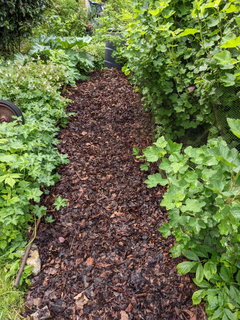
Do you mulch your vegetable gardens?
4 years ago
Featured Answer
Sort by:Oldest
Comments (15)
 4 years agolast modified: 4 years ago
- 4 years ago
Related Professionals
Palm Bay Landscape Architects & Landscape Designers · Elizabeth City Landscape Architects & Landscape Designers · Sioux City Landscape Architects & Landscape Designers · Longview Landscape Architects & Landscape Designers · Seattle Landscape Architects & Landscape Designers · Nashville Landscape Contractors · Fort Wayne Landscape Contractors · Burlington Landscape Contractors · Bakersfield Landscape Contractors · Glenwood Springs Landscape Contractors · Augusta Accessory Dwelling Units · Lake Charles Accessory Dwelling Units · Memphis Accessory Dwelling Units · Kalamazoo Accessory Dwelling Units · Vancouver Accessory Dwelling Units 4 years ago
- 4 years ago
- 4 years agolast modified: 4 years ago
- 4 years ago
 4 years ago
 4 years ago
- 4 years ago
 4 years ago
 PRO4 years ago
- 4 years ago
 4 years ago
- 4 years ago
Related Stories
MOST POPULARHow to Start a Cool-Season Vegetable Garden
Late summer and late winter are good times to plan and plant cool-season crops like salad greens, spinach, beets, carrots and peas
Full Story
GARDENING GUIDESLowly Mulch Makes Magic in the Garden
Find out why you should be mulching your garden beds and what material is right for your site
Full Story
GARDENING GUIDESVegetables and Flowers Mix in Beautiful Edible Gardens
Ornamentals, meet your edible garden mates. We know you'll get along just beautifully
Full Story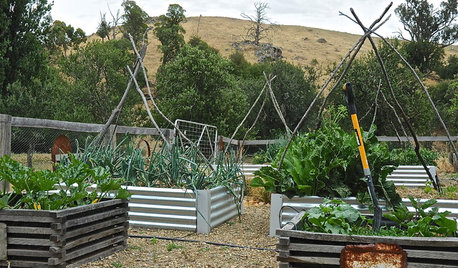
FARM YOUR YARD9 Ways to Change Up Your Vegetable Garden for the Coming Season
Try something new for edible plantings that are more productive than ever
Full Story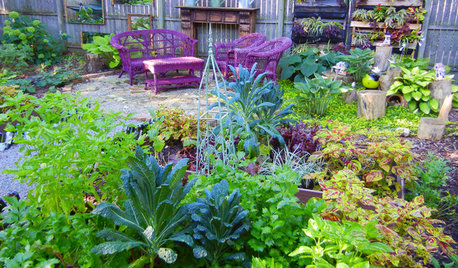
GARDENING GUIDESShades of Vegetable Gardens: Growing Edibles in Less Sun
See how one gardener produces a veritable feast of vegetables and herbs under a canopy of shade
Full Story
GARDENING GUIDESNew Ways to Think About All That Mulch in the Garden
Before you go making a mountain out of a mulch hill, learn the facts about what your plants and soil really want
Full Story
KITCHEN DESIGNKitchen of the Week: Rustic Space Opens to Herb and Vegetable Gardens
Well-chosen recycled and repurposed features create a North Carolina cottage kitchen with a distinctive look and personality
Full Story
12 Vegetable Peelers to Make Quick Work of Your Garden Bounty
Steel yourself: These ergonomic and modern-looking tools bear little resemblance to the one-note peelers of the past
Full Story
GARDENING AND LANDSCAPINGVegetable Growing Lessons From Longwood Gardens
Get ideas for your own edible landscape from a Pennsylvania showpiece and teaching garden
Full Story
GARDENING AND LANDSCAPINGCream-of-the-Crop Vegetable Gardens
Both trendy and traditional, these inspired potager designs turn the everyday vegetable garden into art for your landscape
Full Story
laceyvail 6A, WV