Software
Houzz Logo Print
marcie_stone

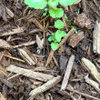
Very tall and bug ravaged!

4 years ago
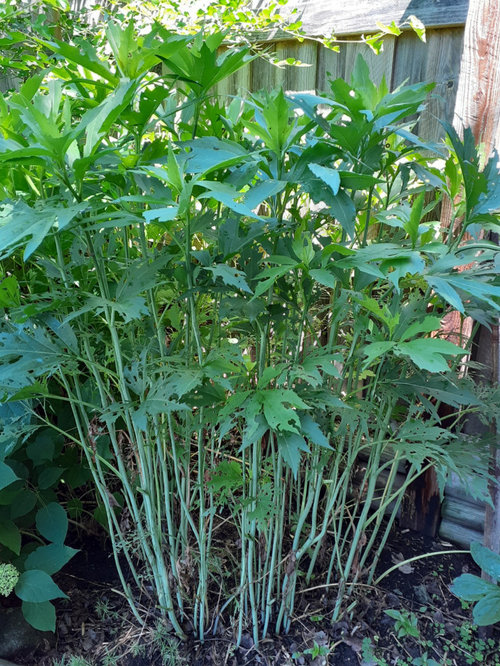

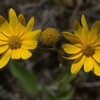
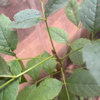
Very tall, will get a flower but I can't recall what it looks like (moved into this house last fall and they were falling all over). It is full of bugs/worms and I want to just yank it but maybe it's worth saving?

Comments (28)

  • 4 years ago

    Compare with Rudbeckia laciniata.

    Marcie Stone thanked floral_uk z.8/9 SW UK
  • 4 years ago

    Yes, one of those has similar leaves! Now the question...whatever is eating it has pretty much devoured all the leaves so is it worth keeping?

  • 4 years ago

    mine used to get attacked by slugs, especially when younger


    it got better after 2-3 years and with slug pellets


    they want some water otherwise IME very hardy plants for a backdrop of a border

    sometimes they do sprawl, I like them in larger borders

    Marcie Stone thanked linaria_gw
  • 4 years ago

    Yes, I found beetles and worms (not slugs) plus droppings! I'll have to think about this one...maybe after they bloom I'll decide if they're worth the effort.

  • 4 years ago

    You could start by blasting the foliage with the hose several days running to clean it up a bit and dislodge caterpillars.

    Marcie Stone thanked floral_uk z.8/9 SW UK
  • 4 years ago
    last modified: 4 years ago

    Rudbeckia laciniata is EXTREMELY agressive and will continue to spread into a huge monoculture. Unless you want to annually root prune it back, I would replace it with something less agressive. Birds feed caterpillars to their young so please consider using a pesticide that isn't toxic to birds, or better yet hang a couple wren houses nearby.

    Marcie Stone thanked Jay 6a Chicago
  • 4 years ago

    Thanks for the info and tips! Since I wasn't very impressed last fall when it was in flower and falling over, it'll probably be pulled out. That back border is crazy full and needs some negative space to appreciate the good stuff!

  • 4 years ago

    I would want to ID the caterpillars, or maybe the others in this discussion already know this plant does not host any butterfly caterpillars. I've never checked it.

    Marcie Stone thanked Tiffany, purpleinopp Z8b Opp, AL
  • 4 years ago

    I have many wrens in my yard and still the bugs! The caterpillars are tiny!

  • 4 years ago

    you need to go zen ...


    first.. if the bugs only attack that plant ... either leave them to it ... treat with something that will get rid of them .. or just get rid of the plant.. lifes to short.. and im sure there are a bazillion other plants to try in that spot ...


    my point.. if i had one ... you dont have to fix it ... so what if the leaves are not pristine ... life in the garden isnt a disney movie.. and thank god for that.. lol .. boy that has new meaning lately.. lol ...


    once you embrace Gods wonders.. AKA the bugs ... you realize not everything has to get fixed .. though of course.. if the plague is on the verge of destroying a plant.. then fix it.. but frankly.. that rarely happens ... else the bugs would eat themselves into starvation and oblivion .... [i have the same opinion on the fun fungi that many peeps think bee to be destroyed immediately ... they are really cool.. and usually a free show of ma nature ...]


    ken

    Marcie Stone thanked ken_adrian Adrian MI cold Z5
  • 4 years ago

    Ken...did you see my post about my location? Kzoo!

  • 4 years ago

    In order to have butterflies, there must be caterpillars. Some plants will be eaten. It's part of gardening.

    Marcie Stone thanked Tiffany, purpleinopp Z8b Opp, AL
  • 4 years ago
    last modified: 4 years ago

    FWIW, moths have caterpillars too - and unlike butterflies, they'll eat almost everything...

    Marcie Stone thanked carolb_w_fl_coastal_9/10
  • 4 years ago
    last modified: 4 years ago

    Moths have specific host plants same as butterflies. Their caterpillars can't eat any plant they choose. They may have a few different, unrelated species that they use, but many butterflies use a few specific non related species too. And both moths and butterflies can use several different plant species in the same family. Giant Swallowtails use Ruta, Dictamnus, Ptelea, and Citrus which are all in the same family. Tomato Sphinx moths will use any Solanaceae species. Black Swallowtails will use any Apiaceae species. Buckeye caterpillars will feed on plants in Verbenaceae, and Plantaganaceae. Black Swallowtails will also eat Ruta gravolens which is Citrus family. Many moths have one specific host plant, and there are a few moths that will use many different plant species. Black Swallowtail caterpillars can eat Conium maculatum, Cicuta virrosa, and Heracleum mantegazzianum with no adverse effects.

    https://livingwithinsects.wordpress.com/2015/01/25/living-with-the-rattlesnake-master-borer/

    Marcie Stone thanked Jay 6a Chicago
  • 4 years ago

    Yes, moths specialise too. We’ve recently acquired the alien Box Moth. Guess what that eats ... and how! Devastation.

    Marcie Stone thanked floral_uk z.8/9 SW UK
  • 4 years ago
    last modified: 4 years ago

    At first I thought that maybe it ate cardboard boxes, but it eats Buxus, Euonymus, and Ilex species. It's here in the states now too. I hope it doesn't show up in my area. This is a bizarre specialist.

    https://academic.oup.com/ae/article/51/4/245/2474782

    This moth is in danger, as is the tortoise. Developers have been allowed to develop some of the tortoises last refuges. Florida's greedy corrupt governor puts money before the environment. If the first link doesn't open...

    https://en.wikipedia.org/wiki/Ceratophaga_vicinella

    Marcie Stone thanked Jay 6a Chicago
  • 4 years ago

    Yes, we call the plant Box over here, not Boxwood. That’s used for the actual timber.

    This is what the moth caterpillars did in my garden over a long weekend when I was away and let up on the vigilance.


    Marcie Stone thanked floral_uk z.8/9 SW UK
  • 4 years ago

    That is devastating. We were decimated by Gypsy moths last year. They completely denuded my apple trees and there were swaths of forest laid bare.

    Emerald Ash borer is killing ash sp. I have lost all but one Butternut - Juglans cinerea to butternut canker fungus and it is fading fast. Pine & birch borers then Hemlock Woolly Adelgid is getting closer. Sad.

    Marcie Stone thanked peren.all Zone 5a Ontario Canada
  • 4 years ago

    This is scary stuff! I feel fortunate that just the one plant is eaten...well, except for a sad rose that was planted in full shade (who does that?) and has been eaten down to the stems! If it survives, I'll move it in the fall.

  • 4 years ago

    For some reason moths are much more damaging than butterflies, at least in general.

    Marcie Stone thanked bengz6westmd
  • 4 years ago

    bengz6westmd, some moth caterpillars, especially saturniid moths are huge. They eat more leaves, but overall don't harm their host trees.

  • 4 years ago

    MPE is similar to bengz6's. Butterfly caterpillars here seem more narrowly linked to specific plants, while moth larvae will eat a wider range of plants - like army, cut, and fruit worms, among others.

  • 4 years ago
    last modified: 4 years ago

    Floral, I hope your boxwood recovers. We're the caterpillars eating the bark when you returned?

  • 4 years ago

    No. They only eat the leaves.

  • PRO
    4 years ago
    last modified: 4 years ago

    Moths are more numerous than butterflies. More moths are seen in headlights at night than butterflies seen by day. Moths lay clusters of eggs while many butterflies lay eggs singly.

  • 4 years ago

    I believe you floral, I read differently from the U S Department of Agriculture.


  • 4 years ago

    Right. I haven’t read up on the moths. I was just going by my observation. Perhaps I got rid of them before they began on the bark. This is serious since Box is native here and there are some stands of old trees which it would be tragic to lose. Box Hill wouldn't be the same without the Box. 🙁

  • 4 years ago

    It's possible that by the time they were done ravishing your Buxus they were ready to pupate, and never needed to eat the bark?