Software
Houzz Logo Print
diggerdee

Questions on cephalanthus, clethra, water needs

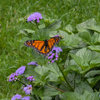
I maintain a garden for someone in my area and one of the beds is very swampy (standing water at times). I have planted in this garden a cephalanthus, which I and the homeowner both love. It's doing fabulously in it's spot and is covered with butterflies in the summer. The cephalanthus is also right next to a creek so there is always some water a few feet away. I also have some clethra which is doing very well in this bed, again, along the creek.


I see that there is a smaller variety of cephalanthus called Sugar Shack, and I have been pondering it for some time for my own garden. I however, do NOT have a swampy area, and just the opposite, my garden is on the dry side. So my question is, does anyone have any experience with cephalanthus in a non-wet area? I would assume I'd have to water well till established, but after that, would it do well? Or is it not feasible?


Same question on the clethra, although for some reason I feel like this does not need quite as much water, although I may be wrong on that score.


Thanks!

:)

Dee

Comments (10)

  • 4 years ago
    last modified: 4 years ago

    Of the two, my experience has been that Clethra is a bit more tolerant of occasionally dry soils than Cephalanthus, but neither will be "happy" in soils that dry out completely, even after establishment. Consistent moisture is definitely favored by both.

    I have several established Clethra in one particular border that is wet and boggy in winter and spring, but tends to dry out during extended periods of dry weather in summer. Normally, they've gotten by ok without much supplemental watering, but in the hot and extremely dry summer we've had so far in my region, they've shown frequently drooping foliage and have needed watering once weekly in order to recover. The other Clethras I have in borders that stay more consistently moist haven't suffered the same issues.

    I've also seen Cephalanthus used in public plantings around here that have looked very unhappy/drought-stricken this summer. You might consider Itea virginica as another option, which does seem to handle drier periods much better (as well as very wet soil), and can give you a somewhat similar "look" to Clethra (but earlier blooming, with less fragrance, and better fall color).

  • 4 years ago

    Thanks so much for your input. It was as I expected, lol, although I was hoping someone would say sure! Go ahead,it will be fine! LOL.


    I also have itea in this wet garden, but I don't care for it as much as the clethra. It's doing extremely well and has nice fall color but just doesn't have the oomph that the clethra has, IMO. I may end up getting one anyway, as I've seen some smaller varieties (this wet garden is very large and has lots of room, so for my garden I'm always looking for smaller versions of things!)


    Interesting that you see cephalanthus used in public plantings. Honestly I never heard of it till I was researching plants to design this swampy garden years ago, and I have never seen it elsewhere around here (except a few at the edges of ponds, etc - and even then I'm so excited to see it lol.) Not that I go to a lot of gardens or anything, but it just seems underused and/or unknown in my neck of the woods.


    :)

    Dee

  • 4 years ago
    last modified: 4 years ago

    Dee -- I fell in love with cephalanthus when I was wandering along the bank of a stream behind a small group of shops here in Central MA (SW of Worcester) several years ago. It was blooming with the MOST intriguing flowers, which I had never seen before. They look like small, cream-colored Sputnik spheres, if you are old enough to recall those! Just adorable.

    So I went searching to find out what this rather raggedy tall plant was, and I found 'Sugar Shack' as a much smaller and more full plant. I bought two. (!!) Altho I do have a "wet" area in my yard, I just tucked them into a bed that is not in that location, and 3 years later, they are doing well. Just now went outside with my moisture/light meter, and it showed the soil there is within the dry scale, barely touching the lowest level of "moist". I NEVER water out in that area, ever. One of them is 5 feet tall, the other less at this time.

    "Sugar Shack' bloomed very sparsely last year, but this year it had bountiful bloom. I love it! If the price is within your experimental plant budget, I would go ahead and try it. You may need to water sometimes, but if that is possible, then I think you may be surpeised (mine are in hot direct afternoon sun, from noon to 6pm). Granted, it has a rather short bloom period, but the novelty is worth it IMHO. And the leaves are very nice-looking for the rest of the summer. I cannot recall if it has any autumn color...


    Let us know if you get one!

  • 4 years ago

    Hey roxanna, thanks so much for your input! I might give a Sugar Shack a try. My budget is very limited this year so I would like to get something more reliable/dependable, but honestly buying a small shrub for $40 won't put me in the poorhouse lol. And if it works out I'll be very happy. I'm hoping to re-do my foundation plantings this fall (or at least start on them) so maybe the cephalanthus will be on next year's list, but I do think I might end up giving it a try. I think you've convinced me!


    :)

    Dee

  • 4 years ago
    last modified: 4 years ago

    Dee -- if you can make the drive, and have enough strength to do the digging (or bring someone who can with you), I'd be very happy to give you my second, smaller 'Sugar Shack' -- seriously!! We are not far from the CT border at CT's northeast corner. And this one is planted too close to the other one, so it would benefit from being moved. C'mon, please -- it needs a new home!!

    FYI, we are vaxx'd and booster'd and would wear masks, so no worries. I have shovels! And other plants you might like to take... =)

    Edited to add -- baby pagoda dogwoods, flowering quince, baby Japanese maples... There's more!

  • 4 years ago

    Buttonbush is very common here and grows around pretty much every lake. In my own cultivation (20 yrs worth), I've found it very hardy and while it revels in being wet, it may defoliate and look horrible, but probably won't die in a drought.

    Clethra on the other hand, I've seen die in droughts.

    That's just my observations.

  • 4 years ago

    dbarron, thanks so much for your input. It's very helpful. Can you remind me whereabouts you live? I'm just curious as to where "here" is when you say cephalanthus is very common there.


    Sue, thank you as well for your input. I feel like we garden in pretty similar conditions so it's always good to know what works for you (and what doesn't!)


    roxanna, thank you for such a generous offer!! I'm really touched - and tempted, as pagoda dogwood is on my list too lol! I'm way at the other end of CT, nearer to Bridgeport/NYC so it would a hike for me to go that far for one (or two) shrubs. But your generosity is very much appreciated!


    Thank you to everyone who offered an opinion. They were all most helpful!

    :)

    Dee

  • 4 years ago

    Arkansas

  • 4 years ago

    Ah, I was way off lol. I was thinking you were in New England or somewhere in the northeast (NY, PA, etc). Anyway thank you again for your input and help!


    :)

    Dee