Software
Houzz Logo Print
badafada

both vanderwolf pines browning on the inside - is this normal?

3 years ago
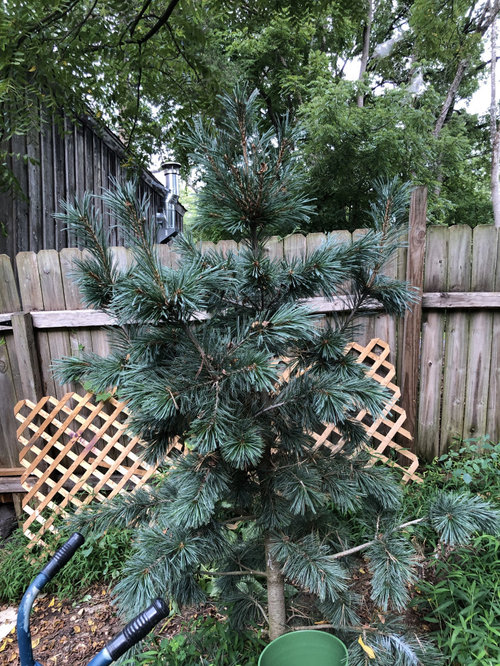
Wondering if any is familiar with these trees - they are some of favorites are I really don't want to lose them:


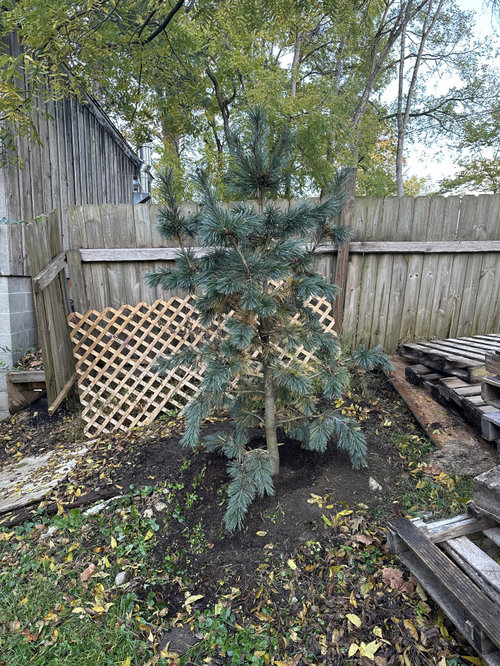
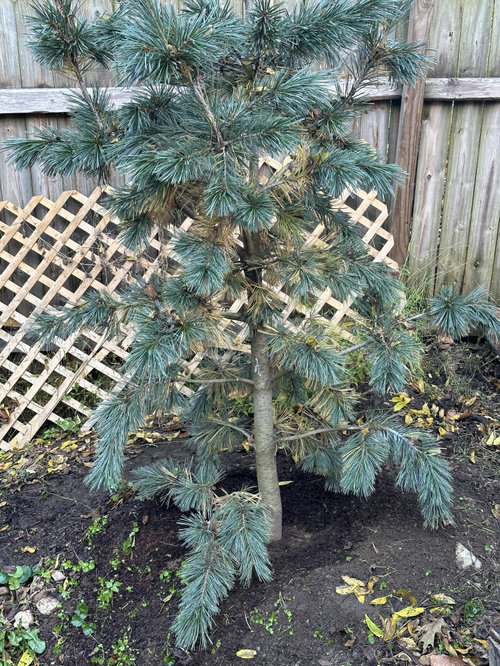
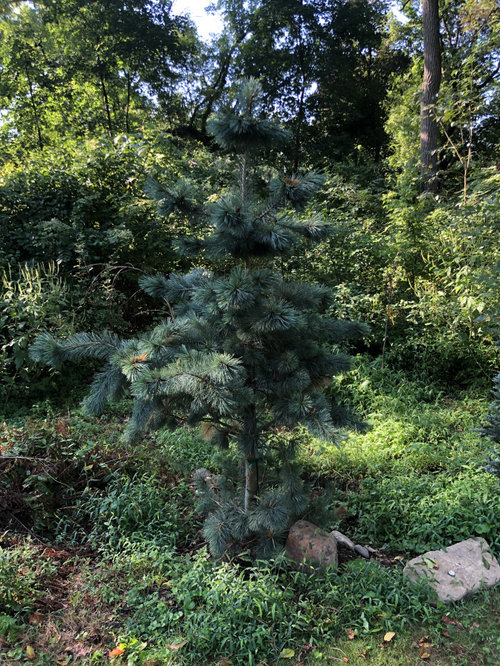
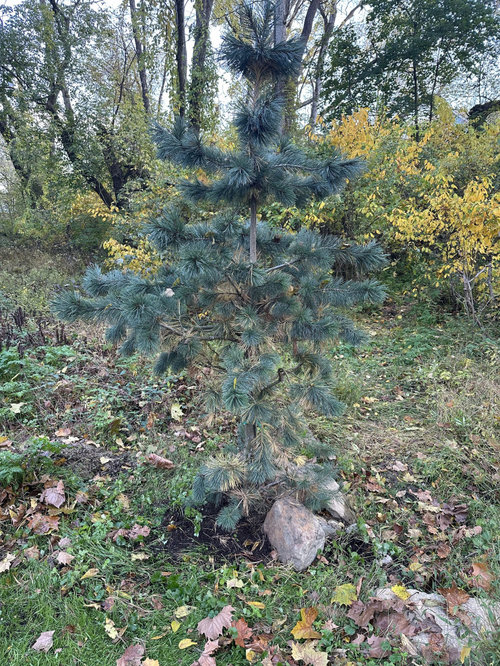
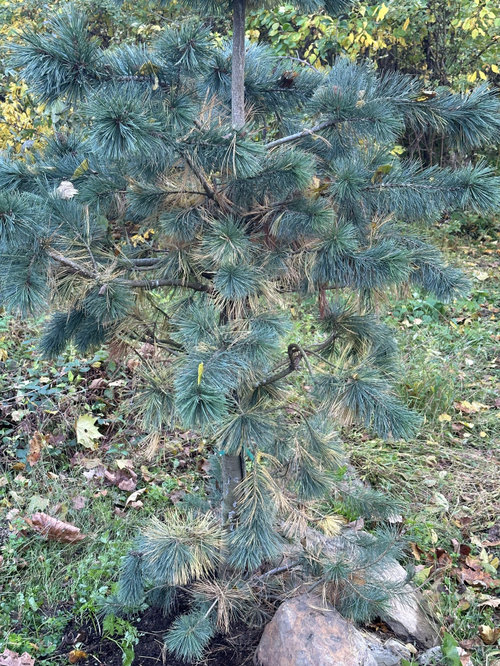
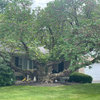
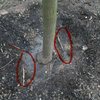
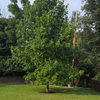
Here are some before and after photos (the before was in August this year, and the "now" are taken last week):


I know some browning is normal but my gut is telling me this is more than normal. There are still parts of the tree that look perfectly health though.


I'm in the Northeast - we had a period of heavy rain and I though maybe that could be a contributing issue. There were in their containers for a few months and only planted in the ground since June/July this year. So maybe they are still stressed from the transplanting a few months ago.


Wondering if there's anything I should do, or if this is even an issue at all. Much thanks for your help


#1 Before (August)


#1 Now (October)


#2 Before (August)


#2 Now (October)


Comments (12)

  • 3 years ago

    My guess would be, the stress from being potted, then planted would be a contributing factor to increased yellowing.


    I personally would check to make sure that the trees are planted at the proper depth. The root flare at the base of the trunk should be at or slightly above grade. Too deep can cause problems over time.


    You may also be interested in this thread: https://www.houzz.com/discussions/4829252/interior-yellowing-is-normal#n=6

    badafada thanked BillMN-z4a
  • 3 years ago

    yes.. its all normal ... as noted.. probably increased by recent stresses.. like within the last 2 years.. planting.. drought.. etc ...


    one of the bluest pines i ever had.. but Gods honest truth.. never a pretty tree... it just never gets into xmas tree shape ... just gangly looking for lack of a better term ..


    https://duckduckgo.com/?t=ffcm&q=gangly&ia=definition

  • 3 years ago

    third pic.. pull back the soil until you find the root flare.. do it for both ..


    remove grass and add a 3 foot ring of mulch around both ...


    why it the big rock there???


    ken

  • 3 years ago
    last modified: 3 years ago

    im having trouble with the forums this morning.. so forgive me that i have 3 posts ...

    just look at this thing.. the reason there are so many bare branches.. is because it doesnt hold it needles for very many years .. sooo.. every year.. it will be losing needles ... just to maintain the look


    btw.. its a conifer.. and there is a conifer forum... but no need to duplicate this there ...


    ken

    badafada thanked ken_adrian Adrian MI cold Z5
  • 3 years ago

    Yes, badafada,

    In your first picture, the tree appears to be 'telephone poled' where the trunk goes straight into the ground. Which means it's planted too deep.

    Even potted plants from a reputable nursery can have extra soil pile on top of the root flare, so you can't go by the soil that was in the pot. You have to locate the root flare before you plant.

    Just an FYI:

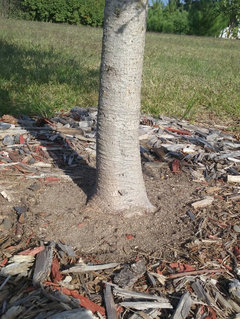
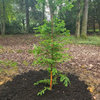
    This is a correctly planted spruce tree with root flare at proper level. Note how the beginning of the root flare is evident at soil level.


    badafada thanked BillMN-z4a
  • 3 years ago

    @BillMN-z4a @ken_adrian Adrian MI cold Z5


    Thanks for the feedback both of you. I appreciate it! It sounds like it's not a dire situation? (as of right now)


    I see what you're saying about the root flare – we planted about 30 trees over the summer and some of them were a tad low or sank a bit. I know this one is not ideal but I thought it was ok because when I pulled away soil from the base, I already hit the surface roots and it didn't seem like there was much more soil to pull away from the base without tearing up roots


    I suppose I could dig it up and lift it an inch or two but at this point would that be a last resort? I don't want to disturb it further if it's already stressed.


    Btw the big rock in tree #2 is actually sort of a retaining wall to hold in soil on the backside of that tree. There is a gully area behind that is probably almost a foot lower and is where water drains away. We had put up those rocks on the backside to help hold in the soil when we first planted it and mulched it.

  • 3 years ago

    Around here, pines lose some needles this time of year. Usually in the middle. I wouldn't worry about it.

    badafada thanked charles kidder
  • 3 years ago
    last modified: 3 years ago

    'I see what you're saying about the root flare – we planted about 30 trees over the summer and some of them were a tad low or sank a bit. I know this one is not ideal but I thought it was ok because when I pulled away soil from the base, I already hit the surface roots and it didn't seem like there was much more soil to pull away from the base without tearing up roots'

    Depending on how long the trunk has been buried in the soil, adventitious roots can form along the trunk, above the root flare. These roots are generally thin to begin with and aren't an indication of where the root flare is.

    It's your tree, you can do what you like but without a clear indication of where the root flare actually is, you'll never know for sure if the tree is planted correctly or not.

    You really don't have to dig the whole tree up to find that out. By just using your fingers and digging a small hole alongside the trunk, you'll most often hit the larger roots radiating out from the base of the trunk, which is the 'Root Flare'.

    ' I suppose I could dig it up and lift it an inch or two but at this point would that be a last resort? I don't want to disturb it further if it's already stressed. '

    I wouldn't dig the tree up until I knew for sure where the root flare is.

    But now is the time, when the tree is dormant, to raise the tree in the ground, IF it actually need that to happen. And no it's not a last resort, a tree planted too deeply will never develop properly.

    badafada thanked BillMN-z4a
  • 3 years ago

    Thank you @BillMN-z4a I will use that method and check where the root flare is next weekend, and see where to go from there

  • 3 years ago
    last modified: 3 years ago

    Cultivar was selected in New Jersery so presumably adapted to your geographic location. However yours appear to be going into shaded positions with other things nearby - like all pines this needs full sun for best appearance and growth. And there is an obvious reason why it has 'pyramid' in the name - it develops long side branches that give the crown a broad base. So that some years ago one I saw in the Yakima Area Arboretum here in Washington State looked to have a crown spread from one side to the other (as opposed to an average crown spread) of about 44 ft. And it was still comparatively young. Another limitation affecting use of this variety is that it is susceptible to white pine blister rust - if that occurs in your area it may show up at your place at some point. With infested trees tending to be spoiled by it.

    badafada thanked Embothrium
  • 3 years ago

    Thanks for the update.

    tj