Software
Houzz Logo Print
tristansgarden

Turning a parking lot into an orchard

3 years ago
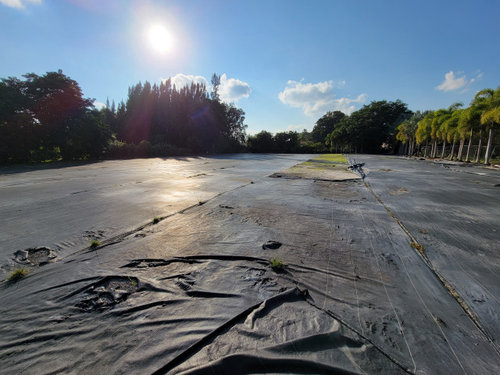
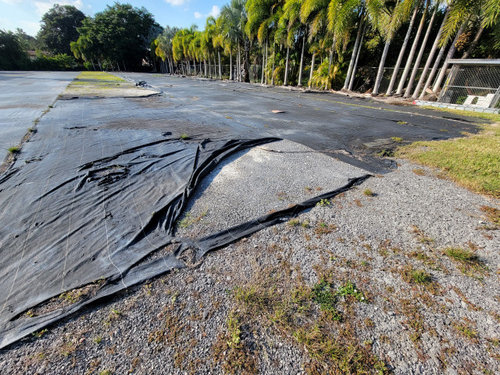
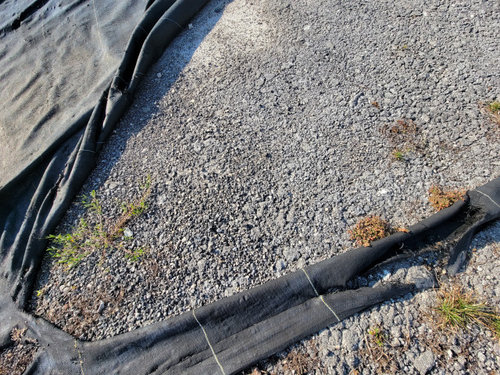
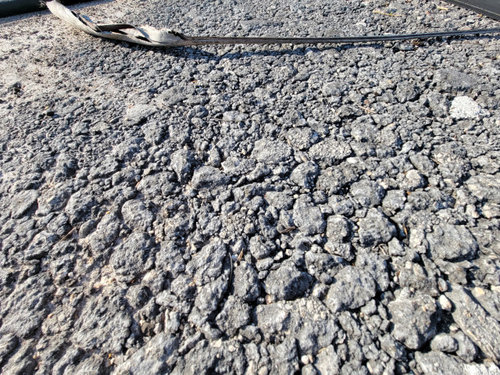
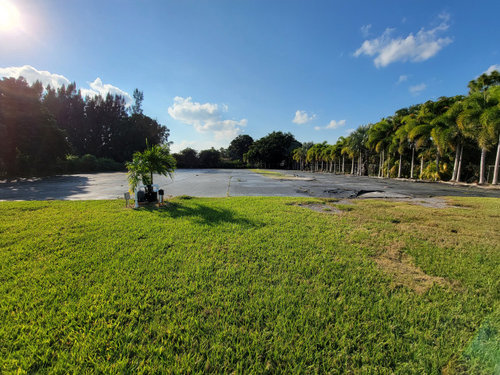
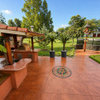
We recently purchased a home in southwest ranches, FL. The previous owners used one acre of the backyard for their bus company, as a bus parking lot, for many years. There is a layer of gravel that's so compacted, it feels like cement, covered in black plastic. We would like to turn this space into orchard. Is there a way to do it?
Our landscapers recommended we use a rototiller on the cement/gravel layer then add good soil on top.
Thank you!

Comments (17)

  • 3 years ago

    I'm no expert but I'd suspect that the buses have leaked some oil on that plot over the years and that much compacted gravel and cement is of no help either. I'd be tempted to bulldoze off the top layer of gravel, not sure that rototilling it into the bottom soil is a good idea, esp if it's been soaking up oil over time. You'd surely need a industrial strength mega rototiller to chew up an acre of gravel. Tough call fer sure. Hope it works out for you.

  • 3 years ago
    last modified: 3 years ago

    Buses drip all kinds of fluids, most of which are not good for plants. A fleet of buses over many years is going to leave a lot of drippings.

    Remove the fabric. Bring in a machine and scrape off the layer of gravel and dispose of it. Perhaps it can be recycled for a road. Planned in advance you might want to leave a gravel base for a path in the orchard for all the equipment you will want and need. All the rest of the gravel has got to go.

    Once the site is cleaned, start bringing in truck loads of tree trimmer's wood chips. Spread them as a mulch and let it rot. Continue adding wood chips for as long as you are growing and maintaining an orchard. Also think about a cover crop, the plant you will maintain as the groundcover in the orchard.

    What are you wanting to grow?

  • 3 years ago
    last modified: 3 years ago

    Assuming the purpose of the orchard is to produce edible fruits, I would, like the others, be very concerned about the oils and other fluids that could get into the soil if you leave any of the gravel and cement.

  • 3 years ago

    Will a rototiller even go through it?

  • 3 years ago

    You can have the soil tested for contaminants. Oil and gasoline and other fluids are not going to sit on top of gravel or necessarily soak into the rock (depending on the rock), they are going to leach down into the soil. So just removing the gravel (if there are contaminants) is not going to be a solution. You may need abatement before growing a food crop.

  • 3 years ago

    Great advice here and what fun to plant an orchard and I commend you for reclaiming the land!


    UF extension service should give free, good remediation advice and may evaluate the soil for free; after that, be patient with the work and be prepared to open your wallet.

  • 3 years ago

    What are you going to do with an acre of fruit harvests?? I ask because you could have more liability here than the value of the fruit. You need to know not only what contamination is there; but what it will do to the trees and also to the consumers of the fruit.


    I'm surprised they were allowed to park all these buses on what I would assume was residentially zoned real estate. From the lay of the land in the picture I'd guess there's no hill on the property where you could grow trees above the contamination; if that's even plausible.

  • 3 years ago

    John D, I am going to eat the acre of fruit harvests! This is not a commercial business. Just a hobby, my husband and I like to grow our own fruit and vegetables. We had 40 trees at our first property, that we planted, and about 15 at our second. There are three mango trees and a coconut so far on this property, but we figure we have room for up to 60 here -- we want to grow one of everything. our neighbors also have a fruit orchaard they consume the fruit from, and it's right next to this bus park. Hope their fruit is ok...


    Thanks to everyone for alerting me to the oil dripping issue, we hadnt even considered that it could have contaminated the ground, how stupid of me. I was mostly concerned about compaction. We'll be testing the soil and if it's comtanimated I guess I'll have to pursue methods to decontaminate before we can plant anything. Fingers crossed. Either way the whole of the gravel will be removed and replaced with better dirt.

  • 3 years ago

    Is Jaboticaba on the list?

  • 3 years ago

    Don't forget to keep us posted. That's the biggest gardening challenge I've ever seen.

  • 3 years ago

    The vast majority of the stuff that might have dripped off the busses will degrade over time. And I would imagine in a hot wet climate it would happen pretty fast. If you remove the gravel and replace with good dirt, By the time the trees are mature enough to produce fruit, I would be surprised if there was any fruit contamination. But, without knowing what was leaked, I can't say for certain.

  • 3 years ago
    last modified: 3 years ago

    How tainted the soil may be all depends on how well they took care of their buses and if they were serviced there. My roadside vegetable garden was formerly a pull off on the side of the scenic byway. Tree trimmer's woodchips fixed that.

    The only soil in Florida is sand. Which makes it fill before it is soil. There isn't much wiggle room for drainage in those pictures. You need to know where the water goes.

    Anything other than sand is compost. Woodchips can be free. You have the temperatures for year round rot.

  • 3 years ago

    Tristan - I think there might be some value in testing the fruit from the trees already on the property.. And possibly only testing; say a year after all the gravel/concrete to be removed is gone. I'm thinking why test for something you know is there. Gas lines rust and leak. Radiator hoses leak and burst. Brakes drop worn dust. You folks probably don't use windshield antifreeze, unless it's used cause it's cheap to wash the windshield??

  • 3 years ago

    I have a song in my head now:

    "They paved paradise and put up a parking lot . . . ."

  • 3 years ago

    Hire a bobcat/JCB digger and remove the the surface before considering how to proceed.


    I have done this...on a bank car park...but as the whole area was glacial till, we ended up making a pond and building enormous raised beds. Several years on, the garden won awards!!

  • 3 years ago

    I have worked on brownfields which are truly contaminated. Have the soil tested and look into bioremediation. It could mean planting a field of sunflowers while you wait for the trees. Thank you for reclaiming this acre of earth for all of us.