

Different painters proposing different solutions to calcimine ceiling?
3 years ago
Sort by:Oldest
Comments (4)
Related Stories
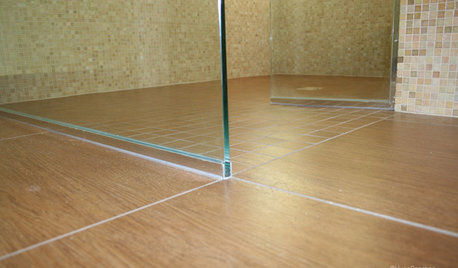
TILEEpoxy vs. Cement Grout — What's the Difference?
Grout is grout, right? Nope. Cement and epoxy versions have different appearances, durability and rules of installation
Full Story
APARTMENTSHouzz Tour: Something’s Different in Denmark
The owners of this bohemian Copenhagen apartment rebel against the Scandinavian penchant for white interiors
Full Story
DECORATING GUIDESStaging vs. Decorating: What's the Difference?
Unlike decorating, staging your home isn't about personal style — it's about creating ambiance and appeal for buyers
Full Story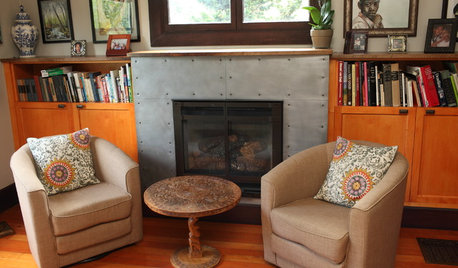
HOUZZ TOURSMy Houzz: Personalized Style in a Portland Painter’s Live-Work Home
Empty nesters bring DIY touches and industrial-style creativity to their 1908 Oregon house
Full Story
DECORATING GUIDESDesign Debate: Should You Ever Paint a Wood Ceiling White?
In week 2 of our debate series, designers go head to head over how classic wood ceilings should be handled in modern times
Full Story
MOST POPULARHeads-Up Hues: 10 Bold Ceiling Colors
Visually raise or lower a ceiling, or just add an eyeful of interest, with paint from splashy to soothing
Full Story
PAINTINGHow to Hire a Painter to Do Your Interiors
Here’s what to know about hiring a painting contractor and what to expect during the job
Full Story
COLOR11 Reasons to Paint Your Ceiling Black
Mask flaws, trick the eye, create drama ... a black ceiling solves a host of design dilemmas while looking smashing
Full Story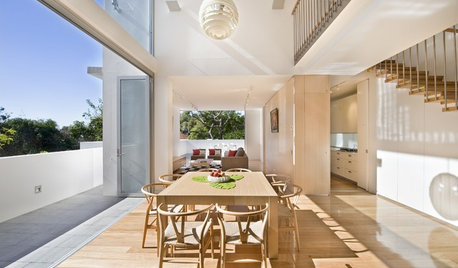
ARCHITECTUREAre Vaulted Ceilings Right for Your Next Home?
See the pros and cons of choosing soaring ceilings for rooms large and small
Full Story
DECORATING GUIDES11 Tricks to Make a Ceiling Look Higher
More visual height is no stretch when you pick the right furniture, paint and lighting
Full Story




cat_ky
Susan
Related Professionals
Virginia Beach Interior Designers & Decorators · Martinsburg Interior Designers & Decorators · Marquette Interior Designers & Decorators · Huron Interior Designers & Decorators · Spanish Fork Interior Designers & Decorators · Vidalia Bathroom Remodelers · Portsmouth Kitchen & Bathroom Designers · Elk City Kitchen & Bathroom Designers · Rochester Home Remodeling · Grand Rapids General Contractors · Akron General Contractors · Houston Bathroom Remodelers · Gary Bathroom Remodelers · Janesville Bathroom Remodelers · Salinas Bathroom Remodelersbry911
Delete This