Software
Houzz Logo Print
growingadvice

preventing weeds/vegetation between raised garden beds

3 years ago

Hi. Adding raised garden beds, but wondering what you all think would be the best choise material to place between the raised beds to prevent vegetation. Mulch doesnt seem to be a good idea bc it hold in moisture. Im guessing stone, but what type stone? landscape fabric underneath?


thx

Comments (19)

  • 3 years ago

    I would use a good thick layer of mulch and renew it each year. Not landscape fabric. Weeds grow right through it and are very difficult to remove.

  • 3 years ago

    Interesting you guys are recommending much. I wasnt really thinking about mulch, thinking it would trap moisture against the beds and speed up bed corrrosion.

  • 3 years ago

    Personally I'd use organic materials for making paths. Using rocks, pebbles, rubber mulch, etc is harder to undo if you're not happy with the results. The bed boards resting on the soil will deteriorate over time no matter how you do it. I like the cardboard covered with wood chips idea, but your best defense would be to get rid of all the weeds (particularly the wire grass types) before laying down anything.

  • PRO
    3 years ago

    Corrosion? Are the beds metal? If so, you can give them a couple coats of a good rustproofing paint on the botton edge before you use it.

  • 3 years ago

    Concrete? Weeds between beds just happen, if there is any soil or cracks leading to soil.

  • 3 years ago

    Or just make sure the paths are mower width and mow over them.

  • 3 years ago

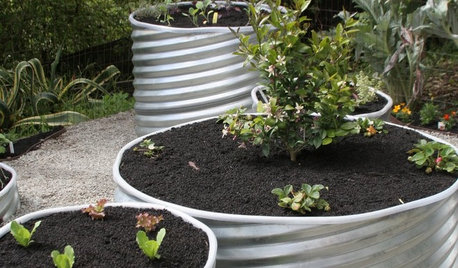
    I'm debating on 5/4" cedar vs metal.

  • PRO
    3 years ago

    If I had to choose between cedar and metal, I'd go wih the cedar. It might not last quite as long as metal, but for sure a lot longer than most other wood. I just like the look of wood beds. Some of the newer metal prefab beds look very tidy and nice though. Not sure if it matters where you are, but cedar has a bit higher thermal value than metal does.


  • 3 years ago

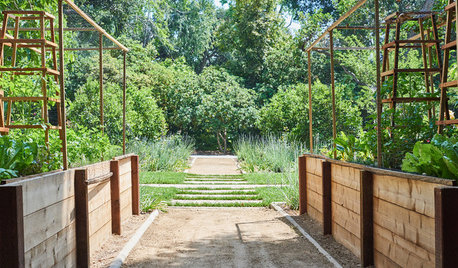
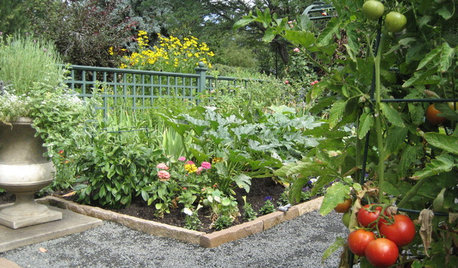
    I had several difffernt kinds of path coverings. The one that I liked the most and was the most weed-free was crushed concrete. If I had to do paths again I would choose it.

    As to what to have for the beds: once again I've had metal, plastic and wood. Wood is the nicest looking, but metal and plastic the most enduring. I suppose it depends on the view of the beds: from the road; from the house; off to the side and not really seen. If readily seen then I would go with wood because it looks nicer.

    One strange piece of advice no matter what you product you use: if a side is 5 or more feet across then put in a cross-piece to keep it from eventually bowing; and that is true of all products.

    Lots of choices. Good luck.

  • 3 years ago

    I used mulch in Nor Cal and found the walking kept the weeds trampled.. i wonder if L A has no local experience

  • 3 years ago

    DEFINETLY fabric underneath, jst fabric actually works fine. Rocks grow stuff easily, just look at any gravel drive. Cardboard is quick and easy but slippery and only lasts a year. Laying pavers tighyl is pricey and work ut your best bet for minimal maintenance.

  • 3 years ago

    Wood chip or arborist's mulch is ideal. It keeps mud and dirt to a minimum and is excellent at preventing weed growth. As long as you remove any perennial weeds before laying the mulch, no landscape fabric is necessary. And it lasts a long time, only requiring an annual touch-up.

    It will not promote any faster decay of the wood (if you choose that material) than does the usual contact of the wood with moist soil.

  • 3 years ago
    last modified: 3 years ago

    I typically loathe the use of landscape fabric but do concede it has it's place in special circumstances. Vegetable garden paths are one of them. Taking care of my large (~2000 sq ft) vegetable plot was miserable at first, I could not keep up with the weeding on the paths, it became an overwhelming mess. I eventually decided to lay down landscape fabric (the heavy-duty stuff) on the paths and cover that with a thick layer of straw; the purpose of the straw is to slow the degradation of the fabric caused by the beating sun. The straw has to be replenished every couple years, but it's cheap and a quick job. I'm telling you -- the difference in the amount of work I have to do is tremendous. Any weed seeds that germinate on the surface of the paths are easily brushed aside with my foot or a quick tug -- most of them can't penetrate the fabric. I still have to weed the growing beds, but that's manageable for me.

    DH is making raised beds for me for strawberries, will be in a different area than the vegetable garden, and I've already got the fabric ready to go for the paths over there.

    So I say do the fabric for the paths. Even if you just pin down the fabric and don't cover it with anything like pea gravel or straw or mulch is fine, and then if you change your mind about your layout you can easily un-pin it and re-locate it.

  • 3 years ago

    I wouldn’t use landscape fabric ever. Or tarp, which the previous owners of this property had installed. Things just grow up (or down) through either one and it takes an act of Congress to remove the growing thing AND the tarp/fabric.

  • 3 years ago

    If you want to smother the grass/weeds between your raised bed, use cardboard covered with a thick layer of mulch, rather than weeding thoroughly (and you probably won't get every piece of deep weed root, anyway.)

  • PRO
    3 years ago

    Some folks use old carpet too. Like when it gets torn out of the house it gets used in the paths. Seems to hold up for ages, but I probably wouldn't want to be the person to clean it out later.

  • 3 years ago

    In my previous post about using organic materials I forgot to mention "pine needles" specifically. If you have a source for those a thick layer 6" deep will compact down to 2" blocking just about every weed (here) with the exception of wire grass and wild Morning Glory seeds that somehow find their way through it. No matter what you use for cover, wire grass (generally Bermuda Grass) first has to go before you lay down anything. It pops up through the asphalt of which our street is paved. The pine needles can be refreshed as they wear down. I use them for paths between rows with very good results.

  • 3 years ago

    I wouldn't by choice use landscape fabric for the reasons Littlebug suggested. Unless well covered it does break down in light and adds to the whole issue of microplastics in the environment.

    From experience I wouldn’t EVER use old carpet. A previous occupant used it in the veggie garden of my last house, and removing heavy, wet, mildewed, rotting carpet was difficult and disgusting. After 25 years I was still finding tufts of carpet fiber.

    I have had excellent success with cardboard covered by several inches of shredded bark mulch, arborists’ mulch, or the shavings from woodworking. Water it in and the cardboard is not slippery IME.

    I do have a friend who mulches a garden with waste wool/fleeces, and it seems to work well for her. Like any organic mulch, it needs replacing periodically.