

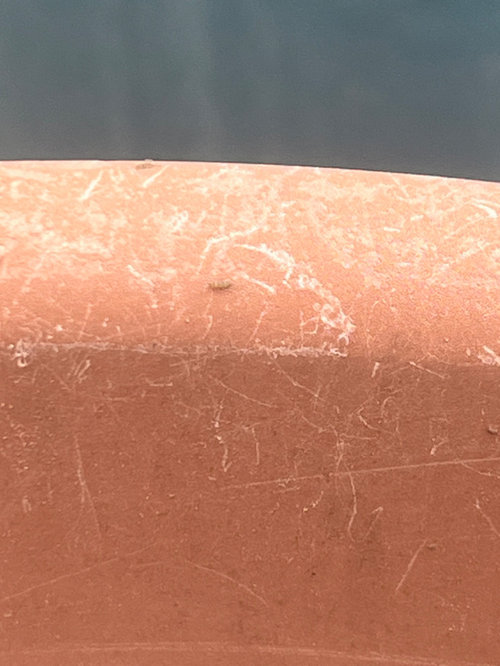
Help! Lotsa bugs in my potting soil
3 years ago
Featured Answer
Sort by:Oldest
Comments (14)
 3 years ago
- 3 years ago
Related Professionals
Charlotte Landscape Architects & Landscape Designers · Harrisburg Landscape Architects & Landscape Designers · Jacksonville Landscape Contractors · McAllen Landscape Contractors · Kenosha Landscape Contractors · Cumberland Stone, Pavers & Concrete · Chillicothe Landscape Architects & Landscape Designers · Logan Home Builders · Bartlesville Landscape Architects & Landscape Designers · Vincennes Landscape Contractors · Charleston Landscape Contractors · Lancaster Landscape Contractors · Saint Joseph Kitchen Remodelers · Middletown Kitchen Remodelers · Portland Kitchen Remodelers- 3 years ago
- 3 years ago
- 3 years ago
- 3 years ago
- 3 years ago
- 3 years ago
- 3 years ago
- 3 years ago
 3 years ago
 3 years agolast modified: 3 years ago
- 3 years ago

Related Stories

GARDENING AND LANDSCAPINGBid Bad Garden Bugs Goodbye and Usher In the Good
Give ants their marching orders and send mosquitoes moseying, while creating a garden that draws pollinators and helpful eaters
Full Story
GARDENING AND LANDSCAPINGPorch Life: Banish the Bugs
Don't let insects be the bane of your sweet tea and swing time. These screening and product ideas will help keep bugs at bay on the porch
Full Story
GARDENING GUIDESHow to Pick a Mulch — and Why Your Soil Wants It
There's more to topdressing than shredded wood. Learn about mulch types, costs and design considerations here
Full Story
FLOWERS AND PLANTSHelp Monarchs and Other Butterflies by Planting Common Milkweed
Summer-blooming Asclepias syriaca is an important larval host plant for the monarch butterfly and attracts a number of pollinating insects
Full Story
OUTBUILDINGS9 Gorgeous Garden Sheds and Luxury Indoor Potting Stations
These stunning, hardworking spaces benefit from farmhouse-style sinks, airy windows and custom shelving
Full Story
SELLING YOUR HOUSE10 Low-Cost Tweaks to Help Your Home Sell
Put these inexpensive but invaluable fixes on your to-do list before you put your home on the market
Full Story
GARDENING GUIDES12 Tips to Help You Start an Edible Garden
Get on your way to growing your own vegetables with a raised bed or a few containers on the patio
Full Story
DIY PROJECTS12 Signs You've Caught the DIY Bug
Been making inventive things from scratch? Repurposing salvaged pieces creatively? It may be more serious than you think
Full Story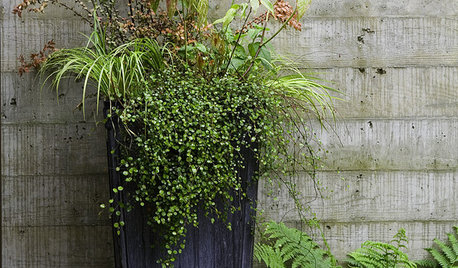
GARDENING GUIDESThe Secret Formula for Grouping Plants in a Pot
Designing a gorgeous container garden is easy once you know this simple rule of thumb for composition
Full Story
PLANTING IDEAS3 Color Palettes to Help Set Your Garden’s Mood
Select plants in these color combinations to create an outdoor space that’s cheerful, energizing or calming
Full Story
tapla (mid-Michigan, USDA z5b-6a)