

Range hood blower dilemma
3 years ago
Sort by:Oldest
Comments (3)
Related Stories
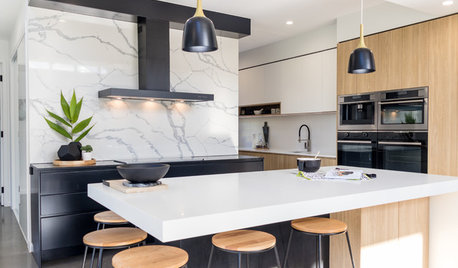
KITCHEN DESIGNHow to Get Your Range Hood Right
Get a handle on the technical specs, and then learn about fun design options for creating a beautiful kitchen feature
Full Story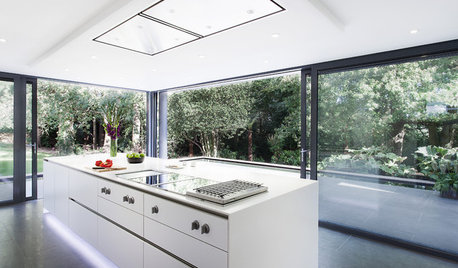
KITCHEN APPLIANCESDisappearing Range Hoods: A New Trend?
Concealed exhaust fans cut visual clutter in the kitchen
Full Story
KITCHEN DESIGNWhat to Know When Choosing a Range Hood
Find out the types of kitchen range hoods available and the options for customized units
Full Story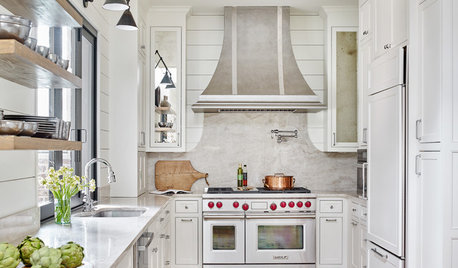
KITCHEN APPLIANCESHouzz Call: Show Us Your Creative Range Hood
Have you customized your kitchen’s range hood? Please tell us all about it
Full Story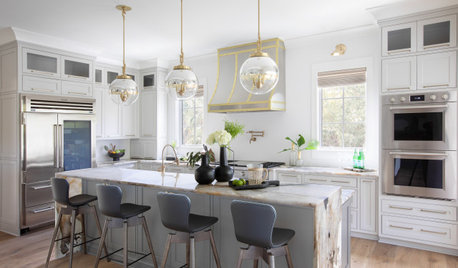
KITCHEN DESIGNDesigner Tips for Range Hoods, Appliances and Lighting
Learn how to get your microwave height just right, what kind of bar stool will be most comfortable and more
Full Story
KITCHEN APPLIANCESWhat to Consider When Adding a Range Hood
Get to know the types, styles and why you may want to skip a hood altogether
Full Story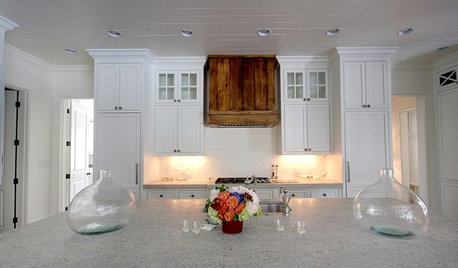
KITCHEN DESIGNWood Range Hoods Naturally Fit Kitchen Style
Bring warmth and beauty into the heart of your home with a range hood crafted from nature's bounty
Full Story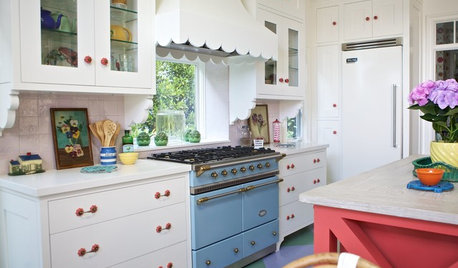
KITCHEN APPLIANCESThe Many Ways to Get Creative With Kitchen Hoods
Distinctive hood designs — in reclaimed barn wood, zinc, copper and more — are transforming the look of kitchens
Full Story
KITCHEN DESIGNHow to Choose the Right Hood Fan for Your Kitchen
Keep your kitchen clean and your home's air fresh by understanding all the options for ventilating via a hood fan
Full Story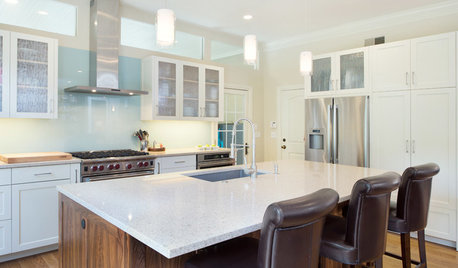
KITCHEN DESIGNModern Storage and Sunshine Scare Away the Monster in a Kansas Kitchen
New windows and all-white cabinetry lighten a kitchen that was once dominated by an oversize range hood and inefficient cabinets
Full Story
More Discussions
kaseki
nexpOriginal Author
Related Professionals
Muskogee Kitchen & Bathroom Designers · Worcester Kitchen & Bathroom Designers · North Platte Kitchen & Bathroom Designers · Roanoke Bathroom Remodelers · Anniston Kitchen Remodelers · Lancaster Kitchen Remodelers · Miami Kitchen & Bathroom Designers · Yuma Kitchen & Bathroom Designers · Knoxville Kitchen Remodelers · Yakima Kitchen Remodelers · Victoria Kitchen Remodelers · Mobile Custom Countertops · Columbia Custom Countertops · Hempstead Custom Countertops · Chico Custom Countertopskaseki