

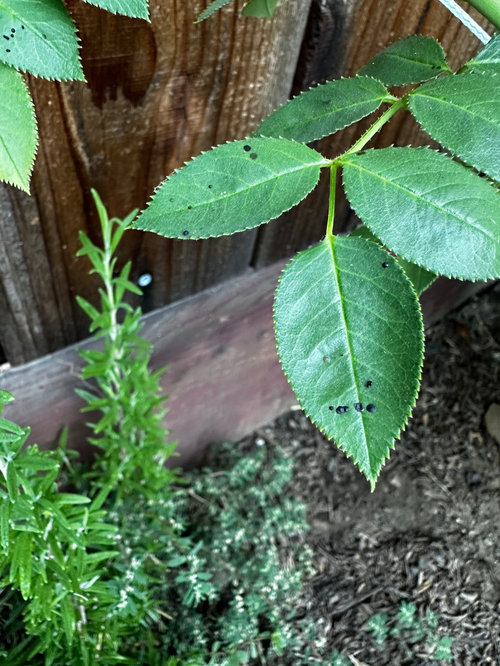
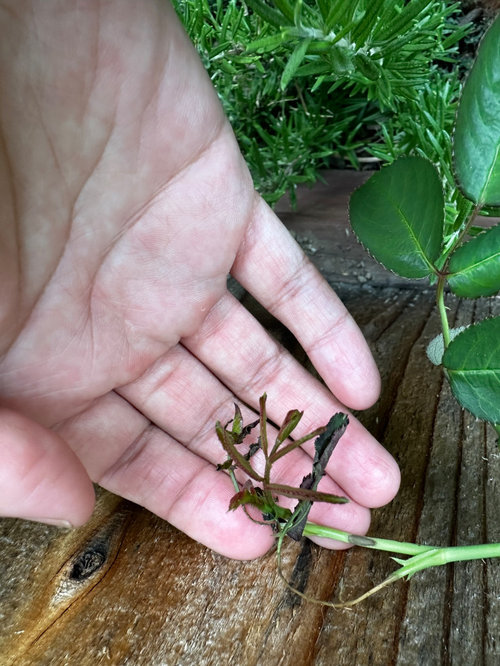
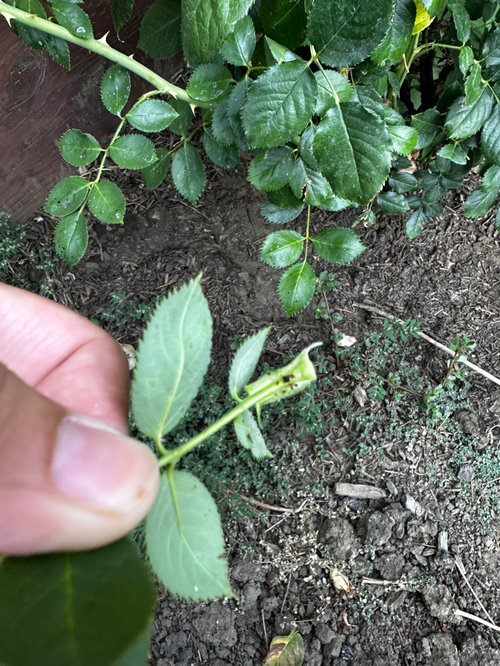
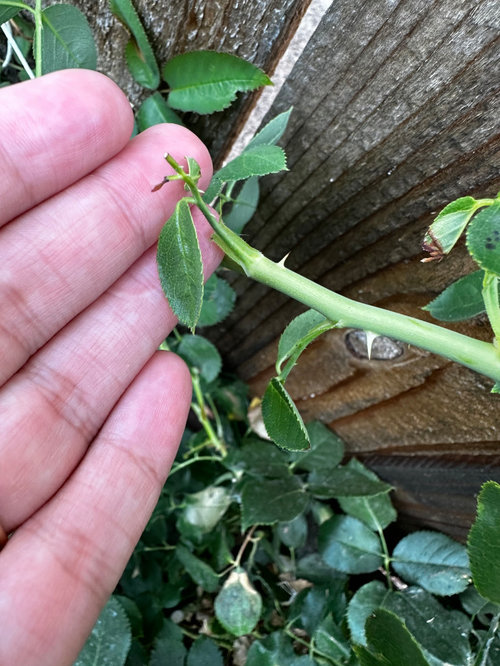
Can someone help identify this issue?
3 years ago


Featured Answer
Sort by:Oldest
Comments (11)
- 3 years ago
Related Professionals
Joplin Landscape Architects & Landscape Designers · Richmond Landscape Architects & Landscape Designers · Champaign Landscape Architects & Landscape Designers · Springfield Landscape Architects & Landscape Designers · Ontario Landscape Architects & Landscape Designers · Daytona Beach Landscape Contractors · Augusta Landscape Contractors · California Landscape Contractors · Frisco Landscape Contractors · Clarksburg Landscape Contractors · Rockford Landscape Contractors · Concord Landscape Contractors · Charlottesville Home Builders · Duluth Home Builders · Sheboygan Home Builders 3 years ago
- 3 years agolast modified: 3 years ago
- 3 years ago
- 3 years agolast modified: 3 years ago
- 3 years agolast modified: 3 years ago
 3 years ago
- 3 years agolast modified: 3 years ago
- 3 years ago
- 3 years agolast modified: 3 years ago

Related Stories

MOST POPULAR9 Real Ways You Can Help After a House Fire
Suggestions from someone who lost her home to fire — and experienced the staggering generosity of community
Full Story
GREAT HOME PROJECTSHow to Identify and Fix Plumbing Issues
Whether minor drips or major leaks, when water starts flowing, it’s time to call in a pro
Full Story
LANDSCAPE DESIGNFire-Wise Landscapes Can Help Keep Your Home and Property Safe
Choose fire-resistant plants and materials and create defensible areas using these design strategies
Full Story
DISASTER PREP & RECOVERYHurricane Harvey: How You Can Help
Want to donate or volunteer to aid victims of the storm? Here are groups assisting with disaster relief and recovery
Full Story
COLORHow Color Can Help You Stay Organized
This simple trick goes a long way toward helping everyone in the household quickly find stuff — no labels required
Full Story
DISASTER PREP & RECOVERYHurricane Maria: How You Can Help the People of Puerto Rico
Want to donate to aid storm victims in the Caribbean? Here are groups assisting with disaster relief and recovery
Full Story
THE POLITE HOUSEThe Polite House: What Can I Do About My Neighbors’ Trash Cans?
If you’re tired of staring at unsightly garbage way before pickup day, it’s time to have some tough conversations
Full Story
ORGANIZINGGet the Organizing Help You Need (Finally!)
Imagine having your closet whipped into shape by someone else. That’s the power of working with a pro
Full Story
LATEST NEWS FOR PROFESSIONALSHow to Help Your Clients Declutter
Find out ways to help homeowners let go of their clutter so you can move ahead with their projects
Full Story
DECORATING GUIDESCould a Mission Statement Help Your House?
Identify your home’s purpose and style to make everything from choosing paint colors to buying a new home easier
Full Story


User