

Gray vs black soapstone?
3 years ago
Featured Answer
Sort by:Oldest
Comments (7)
 PRO3 years ago
Related Professionals
Bloomington Interior Designers & Decorators · Flagstaff Interior Designers & Decorators · Concord Interior Designers & Decorators · Corpus Christi Architects & Building Designers · Santa Rosa Architects & Building Designers · Ottawa Architects & Building Designers · Westminster Kitchen & Bathroom Designers · Plainfield Kitchen & Bathroom Designers · Bennington Kitchen & Bathroom Designers · Daytona Beach Kitchen & Bathroom Designers · Saint Cloud Kitchen & Bathroom Designers · Binghamton Kitchen & Bathroom Designers · Temecula Kitchen & Bathroom Designers · Fort Collins Kitchen Remodelers · Hempstead Custom Countertops- 3 years ago


Related Stories
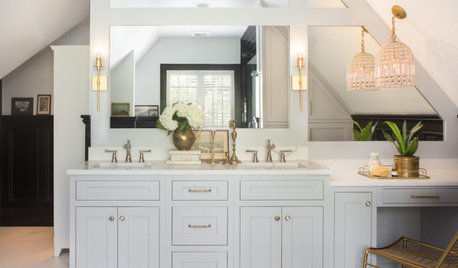
BATHROOM DESIGNBathroom of the Week: A Black, Gray, Gold and Glam Attic Retreat
A kitchen and bath remodeler turns an angular attic into a sophisticated teen zone that will work for grandparents later
Full Story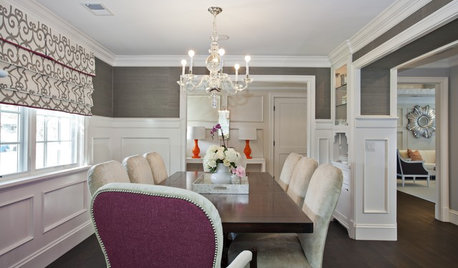
DECORATING GUIDESColor Guide: How to Work With Charcoal Gray
The most modern neutral, charcoal gray looks great in dining rooms, living rooms and even nurseries. Here's how to use it best
Full Story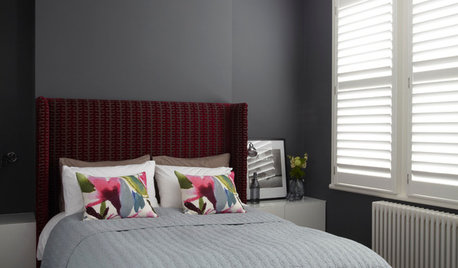
COLORDreaming in Color: 8 Gorgeous Gray Bedrooms
With this versatile hue, you can go dark and bold or slip into something more soothing
Full Story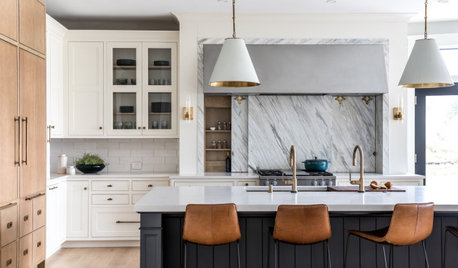
KITCHEN MAKEOVERSKitchen of the Week: White, Wood, Gray and a Backsplash Surprise
A Maine couple with three young daughters ask a designer to help them create a clean space with custom style
Full Story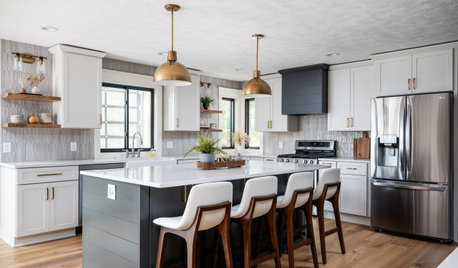
KITCHEN MAKEOVERSKitchen of the Week: Open Plan With a White, Gray and Gold Style
A design team gives an empty-nest couple more square footage with an airy U-shaped layout and a sleek new look
Full Story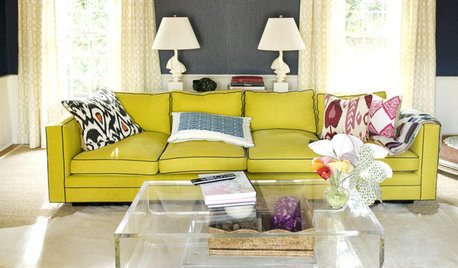
GRAYFavorite Color Combinations: Gray and Yellow
A Neutral Hue Plus a Primary Color Equal Eye-Popping Style
Full Story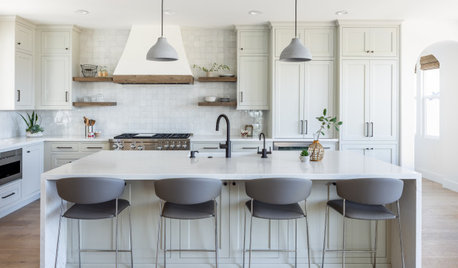
KITCHEN MAKEOVERSKitchen of the Week: Creamy Whites and Grays Brighten Things Up
A designer found on Houzz helps a couple create a clean, sophisticated space that blends modern and rustic details
Full Story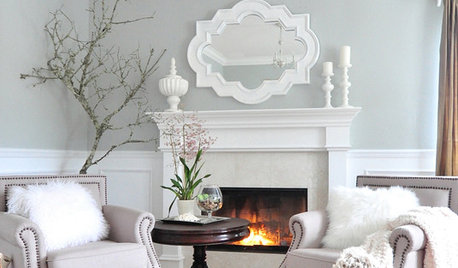
GRAYColor Guide: How to Work With Light Gray
The hottest new neutral can be cool or warm, formal or casual, and feminine or masculine. Talk about versatile
Full Story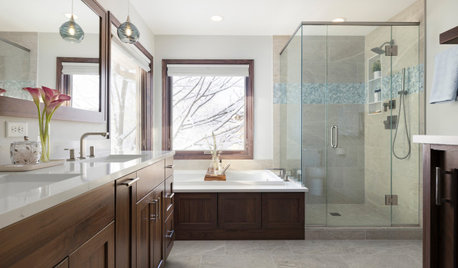
BATHROOM MAKEOVERSBathroom of the Week: Airy and Elegant in Walnut and Light Gray
A designer reimagines a busy 1990s bathroom with a streamlined layout, a low-curb shower, a large tub and a fresh look
Full Story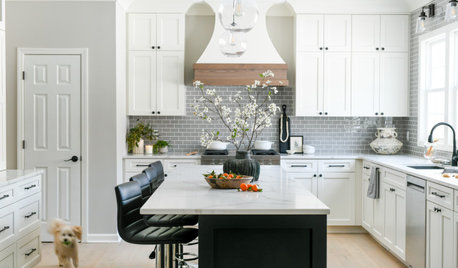
KITCHEN MAKEOVERSKitchen of the Week: White, Wood and Gray With Tons of Storage
A designer expands into a dining room to create a large kitchen with a roomy island, expansive cabinets and fresh style
Full Story



darbuka