

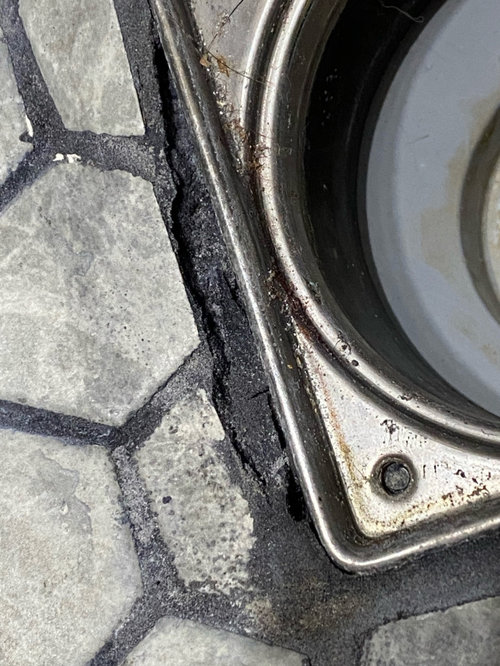
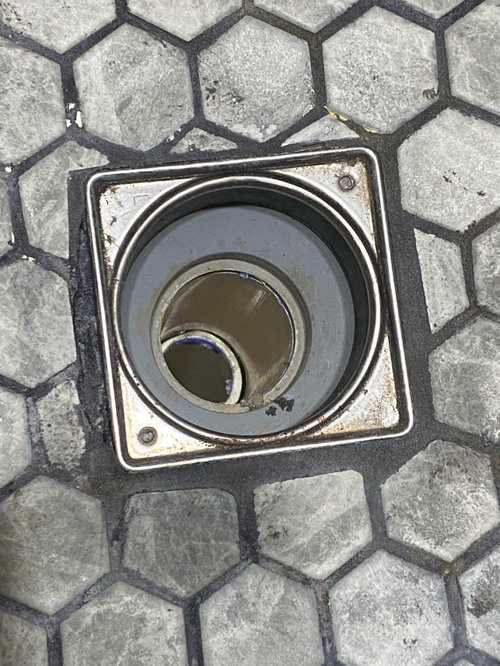
FP grout failure
2 years ago
Sort by:Oldest
Comments (8)

Related Stories
BATHROOM TILEQuick Fix: Repair Cracked Bathroom Grout
Banish an eyesore and safeguard your bathroom from water damage in 30 minutes or less with this DIY repair
Full Story
BATHROOM DESIGNConvert Your Tub Space to a Shower — the Planning Phase
Step 1 in swapping your tub for a sleek new shower: Get all the remodel details down on paper
Full Story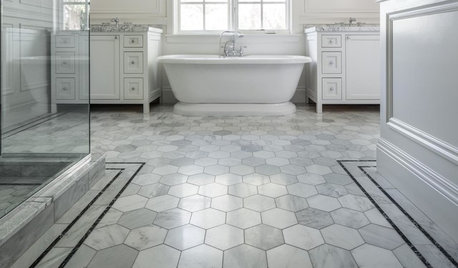
TILEWhy Bathroom Floors Need to Move
Want to prevent popped-up tiles and unsightly cracks? Get a grip on the principles of expansion and contraction
Full Story
BATHROOM DESIGNFloor-to-Ceiling Tile Takes Bathrooms Above and Beyond
Generous tile in a bathroom can bounce light, give the illusion of more space and provide a cohesive look
Full Story
KITCHEN DESIGNWonderful Wood Countertops for Kitchen and Bath
Yes, you can enjoy beautifully warm wood counters near water sans worry (almost), with the right type of wood and sealer
Full Story
HOUSEKEEPINGEasy Green: Steam Cleaners for a Chemical-Free Sparkle
Deep clean and sanitize by harnessing high-temperature water for floors, curtains and clothes as immaculate as they are healthy
Full Story
REMODELING GUIDESTop 10 Tips for Choosing Shower Tile
Slip resistance, curves and even the mineral content of your water all affect which tile is best for your shower
Full Story
BATHROOM DESIGNA Designer Shares Her Master-Bathroom Wish List
She's planning her own renovation and daydreaming about what to include. What amenities are must-haves in your remodel or new build?
Full Story
BATHROOM DESIGN10 Top Tips for Getting Bathroom Tile Right
Good planning is essential for bathroom tile that's set properly and works with the rest of your renovation. These tips help you do it right
Full Story
TILEPorcelain vs. Ceramic Tile: A Five-Scenario Showdown
Explore where and why one of these popular tile choices makes more sense than the other
Full Story


Jake The Wonderdog
Amanda BlakeOriginal Author
Related Professionals
Louisville General Contractors · Oneonta General Contractors · Middlesboro Home Remodeling · Kahului Home Remodeling · Abilene Bathroom Remodelers · New Bedford Bathroom Remodelers · Hot Springs Kitchen & Bathroom Designers · Richmond Kitchen & Bathroom Designers · Gulfport Kitchen & Bathroom Designers · Bemidji Kitchen & Bathroom Designers · Lancaster Kitchen & Bathroom Designers · Helena Kitchen & Bathroom Designers · Torrington Bathroom Remodelers · Johnson City Tile and Stone Contractors · Springfield Tile and Stone ContractorsJake The Wonderdog
Amanda BlakeOriginal Author
Amanda BlakeOriginal Author
millworkman
Jake The Wonderdog
DeWayne