Software
Houzz Logo Print
diggerdee

A few plant IDs please

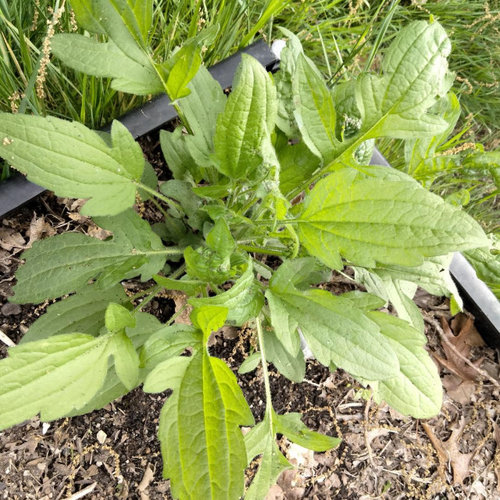
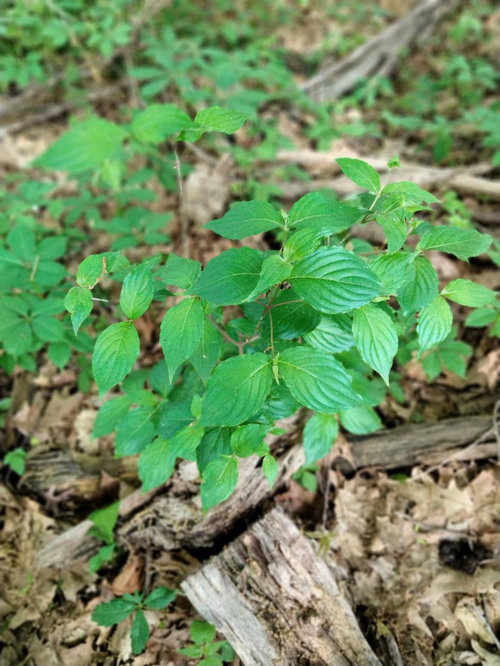
So, first I have these in a bed where I grew rudbeckia hirta and triloba. I'm hoping they are reseeders but I tend to baby weeds a lot lol (especially ragweed). Do you think this is either rudbeckia?


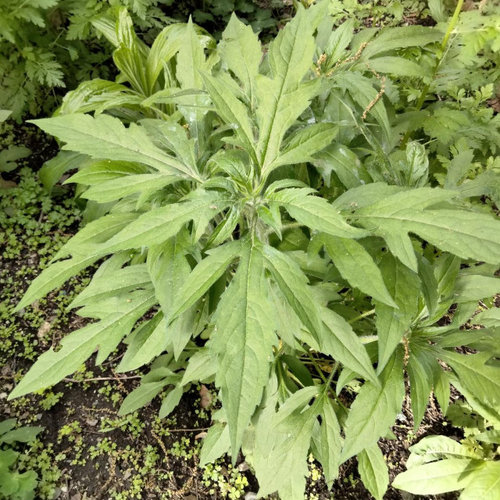
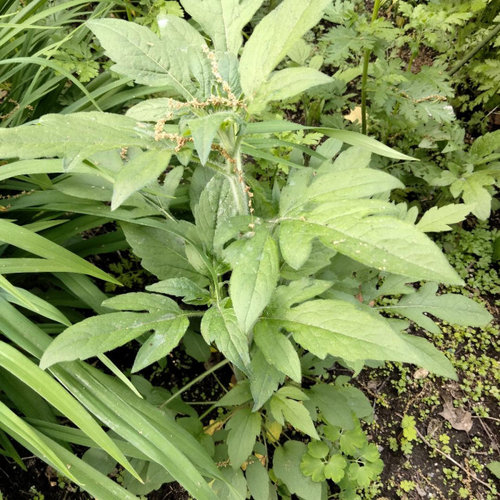
In the same bed are some that look similar but are much taller and maybe have more pointed leaves? Maybe one is triloba and the other hirta?? (Sorry, I am bad at IDing stuff!) Here are the taller ones:


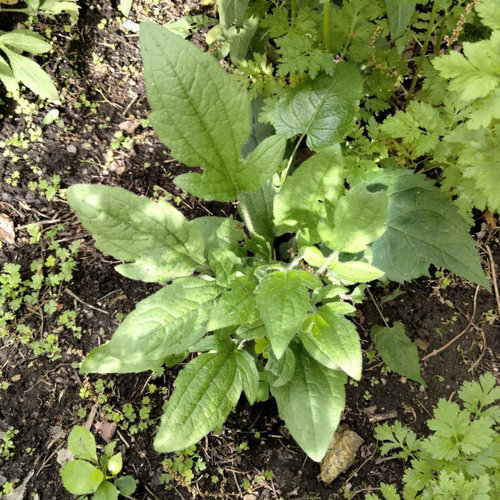
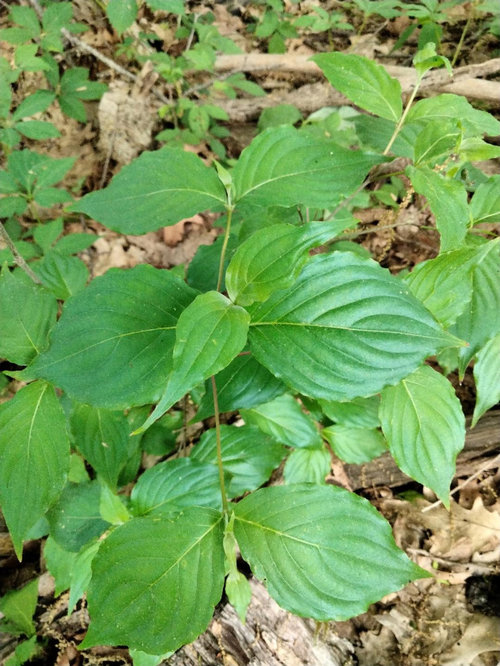
And then today when I was in the woods dumping some weeds I had pulled, I noticed this. I don't know, maybe because I was looking at dogwoods earlier online, this caught my eye because I thought it looked like dogwood leaves. Can anyone ID this? i only see the one in the immediate area.


Thanks!

:)

Dee

Comments (14)

  • 2 years ago
    last modified: 2 years ago

    1 Rudbeckia triloba, Brown Eyed Susan

    2. Cornus/Swida species?

    Swida is made up of all former Cornus species excluding Cornus/Benthamidia floridus and it's Asian version Cornus/Benthamidia japonica, And Bunchberry, Cornus canadensis which is now Chamaepericlymenum canadensis. Cornus is perfectly acceptable as a synonym.

  • 2 years ago

    " And Bunchberry, Cornus canadensis which is now? " Chamaepericlymenum canadensis.

    I doubt too many gardeners will be referring to these by their new names. Chances are that degree of esoterica is left to botanists and other professional horticulturists. Unless everyone knows what you are referring to or talking about, the name change is meaningless.

  • 2 years ago
    last modified: 2 years ago

    I totally agree with you gardengal. Especially the new name for Bunchberry Lol. I just mention taxonomical changes for the members here who like to keep up with them. Quite often new classifications stem from new research, so the new names reflect a lot of new information about a species, like it's evolution which is fascinating conversation material.

    Chamaeperyclymenum? Seriously? Could some botanists/taxonomists be slightly sadistic?

  • 2 years ago

    It could be worse. At least we know Chamae and peryclymenun from other common plants. Took me a while to get from Sedum to Hylotepheleum.

  • 2 years ago
    last modified: 2 years ago

    Still not quite there, Floral - sedum hylotelephium.(winks, since I am probably the worst speller on here)

    AH, it's all the asteraceae/chrysanthemum ones which have me flummoxed.

    Some names just roll off the tongue so mellifluously though...humulus lupulus. When I still had it, I always referred to my little clem by it's full name -viticella purpurea plena elegans.

    Ages ago, there was a poster on here...a bit nervy and high maintenance, who went by various names - Texas Ranger, Great Plains...who always grew a lot of native wildflowers and always used the common names. I was struck by how many US native common names acted as a sort of folk language which reflected the hardscrabble struggles with frontier life. I always meant to note them down cos I have forgotten many of them but I would be hugely grateful if any spring to mind on here. Lots of strangling, poisoning and such.

    Of course, my unreliable memory means I may have imagined them...

  • 2 years ago

    "... Lots of strangling, poisoning and such... lol


    Well I am gratified to know that my hesitant ID of the rudbeckia was correct and I am not yet again babying a weed.


    Any opinions as to whether the first two photos are different from the second two? A different type of rudbeckia perhaps? Or the same one just at different growth stages?


    I am even more gratified to know that I, upon casually spotting it in the woods, also identified a cornus! I find it rather impressive, no matter what it's botanical name lol.


    But don't worry, my inflated ego will soon be brought down again when someone posts asking what this plant is, posts a picture of a marigold or some such thing, and I won't be able to identify it lol. So I will bask in my short-lived glory for a bit!


    :)

    Dee

  • 2 years ago

    I have a couple questions. Have you grown Rudbeckia submentosa, and do you grow any mature Cornus species that seeded your vollunteer? The first 3 Rudbeckia all appear to be R. triloba, and the 4th pic is probably triloba, but it could be Rudbeckia submentosa, if that's possible? R. triloba always has lobed leaves that are regularly not symetrical. Rudbeckia submentosa has 3 lobed leaves on the lower part of the plant, and they are always symetrical.

    Lower leaf of Rudbeckia submentosa

    Top leaves of Rudbeckia submentosa are not lobed.


    There are 4 different varieties of Rudbeckia triloba. I'm not familiar with them and their differences, I will have to study the varieties and then try to apply it to your plants. The varieties are Rudbeckia triloba var triloba, Rudbeckia triloba var rupestris, Rudbeckia triloba var pinnatiloba and Rudbeckia triloba var beadlei.


    In my experience Rudbeckia triloba is much weedier than Rudbeckia hirta. There are also 4 different varieties of Rudbeckia hirta. Rudbeckia fulgida is a complex that had several varieties, but they have been elevated to species now. Some of the fulgida varieties were rare and imperelled. The new species are, Rudbeckia sullivantii, Rudbeckia deamii, Rudbeckia speciosa, Rudbeckia tenax, Rudbeckia umbrosa, Rudbeckia truncata, and Rudbeckia spathulata. There are also 5 varieties of Rudbeckia laciniata Lol.

  • 2 years ago

    Welp, okay, my ego is deflated haha! It was fun while it lasted lol. Jay you always amaze me with your botanical knowledge.


    So, yes, I actually did have a rudbeckia submentosa in that bed. Sorta. I have a Henry Eilers in another bed, and moved some of it to this bed, hoping it was a bit sunnier and Henry would do better. I don't recall if it ever bloomed, however, and I don't think it came back. This was probably about 2 or 3 seasons ago.


    Secondly, I do have some kind of lacinata there as well - it's a large one, maybe Herbstsonne? But again, that has never bloomed there. I moved that out of a bed that my husband inadvertently mowed through (don't know how the heck he didn't see that it was a garden bed but there you have it). I decided to move the whole bed, dug up the remaining lacinata and moved it to the current bed. It wasn't as sunny to begin with and now an encroaching oak has plunged it into even more shade, so the lacinata grows each year, coming up in the same spot, but has never bloomed. Moving it is one of those chores forever on my list (a perennial chore, if you will - ba dum ching!)


    I *think* at least some of the seed I grew was triloba var. triloba, although I have also received triloba seed from others, which could have been something different.


    As far as the cornus, I don't grow any and my neighbors in the immediate vicinity have no dogwoods either, that I can see. It's possible someone has a dogwood shrub in their yard that I can't see but no one around me is really a gardener so it's not likely, although possible.


    Thanks Jay for taking the time to respond, and for responding so thoroughly and thoughtfully. I always appreciate any feedback!


    :)

    Dee

  • 2 years ago

    Oops. In my defence I was holding a small baby while texting.

  • 2 years ago

    Thanks for the kind words Dee! The keys for identifying the 4 different varieties are basically measurements that must be done with the plants in hand. Usually when a variety is given species rank, it is a variety that looks distinctly different, and that's probably the case with the 4 triloba varieties. It may be possible for 2 species to resemble each other, but have quite different DNA, which would warrant being lifted to species. I've already pulled out a few R. triloba this spring. I'm sure that I deadheaded them last fall. I had a big R. hirta that flowered it's head off and I let it go to seed, but I haven't spotted any vollunteers. I grew a double flowered Rudbeckia laciniata called something like Flora Plenna several years ago. I didn't have it for very long, because I could tell it was going to be a major thug. I tried planting a few wild laciniata a few years ago, but the deer ate them entirely to the ground. Now I have Helianthus divaricata and Helianthus groserratus taking over thug duty in that area. The deer like the taste of them too. I bought my first submentosa at a native plant sale on Saturday. I want to get Henry Eilers because me and Henry are friends. Henry is a botanist with a vast amount of knowledge about native plants, prairies, restoration and degradation. He's 88, but gets around better than some 60 year olds. Your 3rd photo of triloba has more sharply pointed leaves. It could just be a phenotype with slightly different genetics. There are a few different Cornus/Swida species that occur in Conneticutt. Can't say for sure which one your's is. It's definately not C. alternifolia, because your vollunteer has an opposite leaf arrangement. C. floridus and C. amomum are possible. A few others are possible too. I do see a benefit to calling the tree forms Swida, because it seperates them from C. floridus and the very different C. canadensis.

  • 2 years ago

    @rosaprimula, one of my favorite common names is dog hobble. Hoping this will get others started for you! Leucothoe fontanesiana.

  • 2 years ago

    Thanks Jay, for that added info and the table. How cool that you know someone who has a plant named after them! No wonder you know so much if you run in those circles lol.


    I wonder if I should move that cornus, or let it be, since it seems to like the conditions it is in. I just worry someone may dump something on top of it - grass clippings, branches from a tree clean-up etc. Maybe I'll just point it out to my husband and leave it be for awhile.


    Oh, I have to add, I just came in from working in the garden and that last type of rudbeckia seems to have grown since I took the picture yesterday! It was their height in particular that made me think they might be different than the others, and now that stands out to me even more. I will have to post back here when they bloom!


    Rosa I hope more people post here with common names. I can't think of any cool or unusual ones off the top of my head, but they are indeed fun, if not very good for true identification.


    :)

    Dee

  • 2 years ago

    Trillium erectum - stinking dishcloth ...and I am pretty sure there is something called rat stripper...

  • 2 years ago

    Naked broomrape

    Sickletop lousewort

    Corpse flower

    Kiss-me-over-the-garden-gate

    Love Lies Bleeding

    Bear's Breeches

    Butter and Eggs

    Bastard Toadflax

    Pussytoes

    Kangaroo Paws

    Humped bladderwort

    Turtlehead

    Mad dog skullcap

    Viper's bugloss

    Strangleweed

    Adder’s tongue spearwort

    Wolf's bane

    Cobra Lily