Software
Houzz Logo Print
arbordave

Pollinators in the Garden 2024

Time to get a new pollinator discussion going for 2024. Pollinator Week is less than a month away!

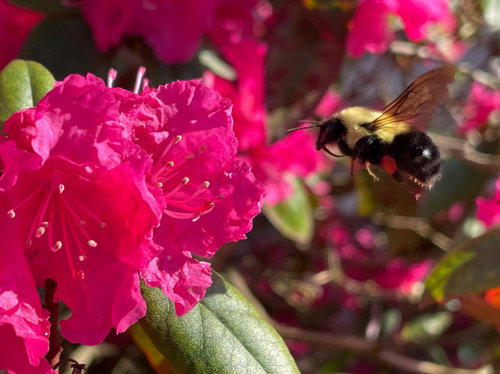
Bumblebee visiting Landmark Rhododendron earlier this month (5/3/24)


Comments (320)

  • last year
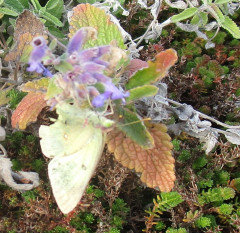
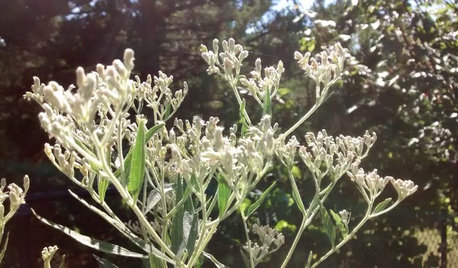
    Is your goldenrod a butterfly favorite during butterfly season?

    arbordave (SE MI) thanked four (9B near 9A)
  • last year
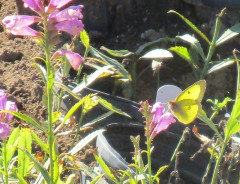
    Interesting four, I know they are supposed to attract butterflies but I do not recall ever seeing them visit the goldenrod. Do they in your area?

    arbordave (SE MI) thanked peren.all Zone 5a Ontario Canada
  • last year
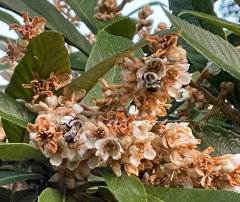
    Of all the pollinators on my goldenrod, butterflies are not among them.

    tj

    arbordave (SE MI) thanked tsugajunkie z5 SE WI ♱
  • last year
    last modified: last year
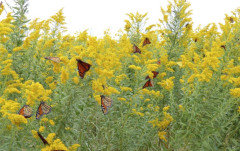
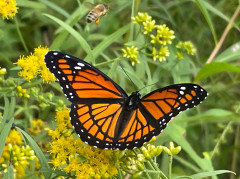
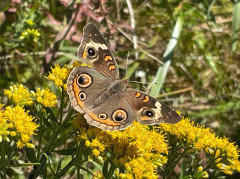
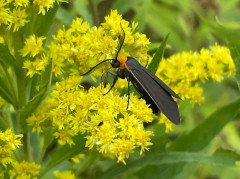
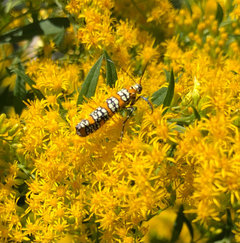
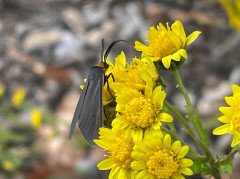
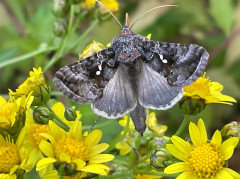
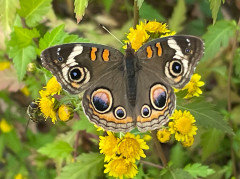
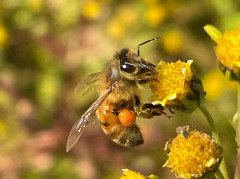
    Goldenrods are definitely visited by butterflies (and moths). Check out this photo from pollinator-pathway.org

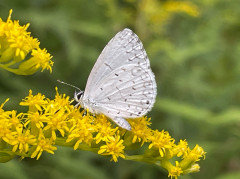
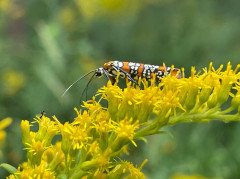
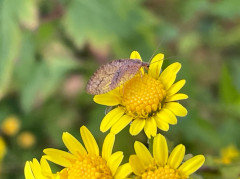
    These are some of the butterflies and moths I've seen on goldenrods this year: Summer Azure (8/21/24)

    Ailanthus Webworm (8/28/24)

    Viceroy (8/29/24)

    Common Buckeye (9/10/24)

    Yellow-collared Scape Moth (9/30/24)


  • last year
    As a follow-up to my post above, I would also say that individual observations (like peren.all and tj's) should in no way be discounted. Not only are there quite a few different species of goldenrod, and butterflies may be more attracted to some species than others, it's also true that (especially in a garden setting), butterflies often have a number of other flowering plants to choose from. And these other plants may be preferentially selected, reducing the number of visits to any goldenrods that may be present in the same location.

    For monarchs specifically, the Xerces Society is seeking observations from the public regarding nectar plants that monarchs visit, with the goal of developing planting recommendations based on which plants are most frequently visited. To contribute your observations, see this webpage:

    What is a Monarch's Favorite Nectar Plant? Scientists are Seeking Your Observations

  • last year
    Another variable, in a thread about Goldenrods : "Oligoneuron rigidum.... it seems that these plants have a long period where the flowers are present but not producing nectar. Nectar may be produced for only a week or so. I have been watching them closely on my butterfly surveys and that is what I have been observing."

    arbordave (SE MI) thanked four (9B near 9A)
  • last year
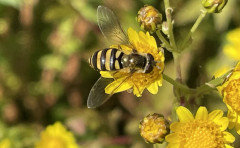
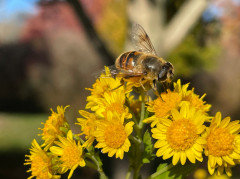
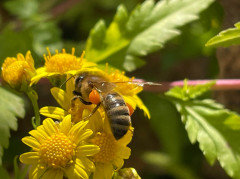
    My observations agree w/tsuga w/my adjacent field of goldenrods -- bees, wasps, flies, bugs and beetles but no butterflies.

    arbordave (SE MI) thanked bengz6westmd
  • last year
    We do not have goldenrods on our property. Buta couple weeks ago on the path to beach we spotted a few Monarch and other butterflies on the goldenrods

    arbordave (SE MI) thanked forever_a_newbie_VA8
  • last year

    Maybe I’m not looking during the nectar window. This is my webworm pic from two years ago.

    tj

    arbordave (SE MI) thanked tsugajunkie z5 SE WI ♱
  • last year

    @peren.all Zone 5a Ontario Canada your question : "...visit the goldenrod. Do they in your area?" I just returned from asking it to the butterfly plant specialist at large nearby nursery, who said same as is written by commenters in this discussion.

    arbordave (SE MI) thanked four (9B near 9A)
  • last year

    I’ve never seen weather this ’nice’ this consistently this late into the year. Hasn’t even frozen yet. Normal first freeze is Sept 5. Flowers still looking great


    Any IDs would be appreciated. I need to start learning what all these insects are.


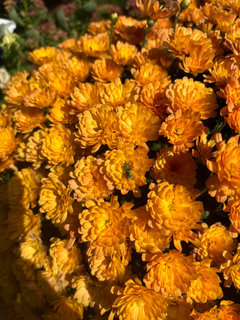
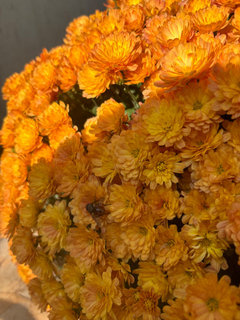
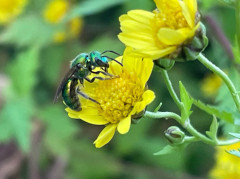
    Some type of green metalic looking bee on a mum

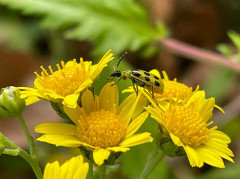
    A horsefly looking thing on the same mum


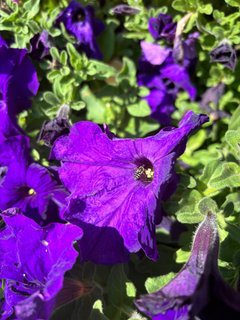
    And some type of hover fly thing on a petunia


    arbordave (SE MI) thanked L Clark (zone 4 WY)
  • last year

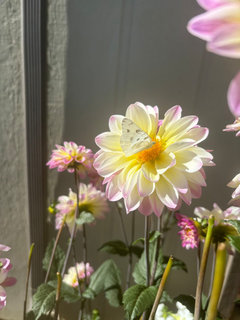
    Some butterfly thing


    arbordave (SE MI) thanked L Clark (zone 4 WY)
  • last year

    Western White

    arbordave (SE MI) thanked four (9B near 9A)
  • arbordave (SE MI) thanked four (9B near 9A)
  • last year
    last modified: last year

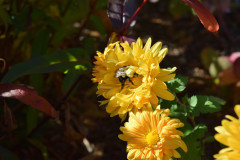
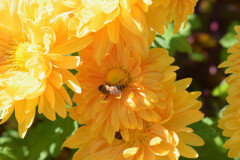
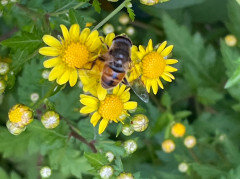
    Still seeing a lot of bees. Some of the larger bees have been sleeping in the mums at night. Today I see a group of bees I don't recognize. They are too fast for me to get a photo. I thought they were honey bees at first, but the markings are different. They have the stripes but a dark bottom. Not a lot for them out there. The Dill is just blooming and I'm starting to see some of the very small bees.


    This was as good as I could get....that's not a honey bee, right?


    arbordave (SE MI) thanked prairiemoon2 z6b MA
  • last year

    We're about done here although I did see a small butterfly flying, across the yard yesterday.


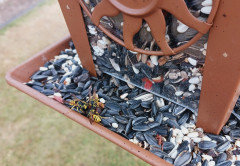
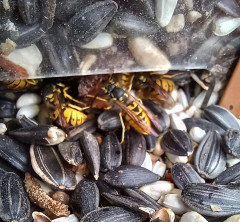
    I thought it was interesting, DW had me fill the bird feeders and although we see bees no more with the cool nights, it appears the hornets are still active.


    They seem to go after one of the shelled seeds in the bird food almost exclusively, possibly pumpkin seeds.

    The hornets chew them down to nothing and I suppose fly the bolus back to the nest.

    They are so enamored while feeding, I took this using mode macro, and they didn't hardly notice me.

    But it was near 80d yesterday. This should cease once the cold fronts move through again.


    arbordave (SE MI) thanked BillMN-z4a
  • last year

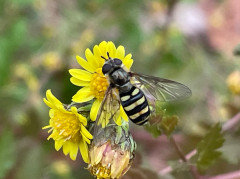
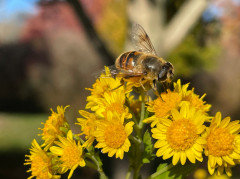
    prairiemoon - nice photos, I believe that is in fact a honey bee in the 2nd pic. But you may also be observing hover flies that are bee mimics, I've noticed quite a few of these recently - here's one of them on Nanking chrysanthemum earlier this evening

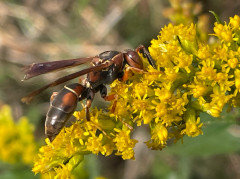
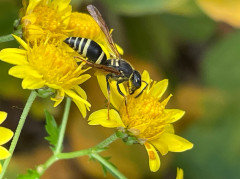
    BillMN, that's interesting, I don't remember seeing hornets going after bird seed like that before. This northern paper wasp found one of the few remaining goldenrod flowers by the creek today (10/22/24)

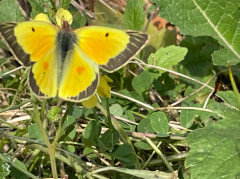
    With warm temps yesterday and today, there were a number of butterflies on the wing down by the creek as well. First up - an Orange Sulphur (photo is a bit fuzzy, it's challenging to catch them with their wings open)

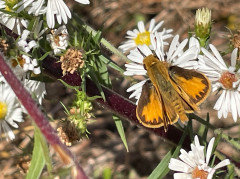
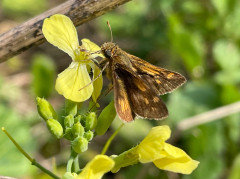
    Male and Female Fiery Skippers


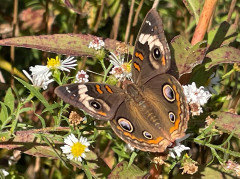
    Common Buckeye


  • last year
    last modified: last year

    Thank you Dave, I guess that honey bee must be just a little different looking than what I've seen in past seasons. I don't really see a huge variety of pollinators. I used to have more when I grew different plants. There were a couple of years there where I had paper wasps and hover flies. Now it's the common pollinators.

    I'd like to take more photos, but I don't have the right lens on my camera and I need an adjustment of my eyeglasses and...I'm just not very fast, to catch them..lol. Right now it's easy because the large bees are pretty slow moving.

    Am I interpreting it correctly, when I see bees lying on the flowers in the morning, that they slept in the flowers all night? I see them snuggling into the flowers late in the day and they're still there in the morning.

    Great photos as usual, Dave. You sure have a lot of different pollinators!

    Bill, I've never seen wasps in the birdseed. Does it keep the birds away?

    arbordave (SE MI) thanked prairiemoon2 z6b MA
  • last year

    Birds still come.

    arbordave (SE MI) thanked BillMN-z4a
  • last year

    Yellow-jackets that are committed vegans? :)

    arbordave (SE MI) thanked bengz6westmd
  • last year

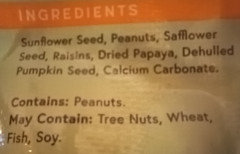
    At first I thought it might be the dried papaya but I did see the seed they were working on and it appeared to be a white seed. The surface of which was so disfigured, I couldn't tell but the size was that of a pumpkin seed. Could've been papaya. Raisins are darker but again, it's all processed ingredients. Who knows.

    It even has a warning underneath incase the birds have allergies. ;-)

    arbordave (SE MI) thanked BillMN-z4a
  • last year

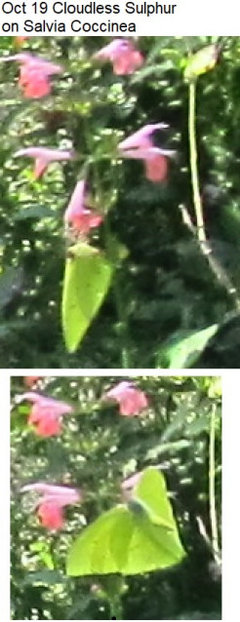
    Quite chilly today but yesterday finally a sulphur.


    This poor guy/gal is looking worse for wear, just like the plants.


    I had heeled in some pots and this orange? sulphur was appreciative. It was looking pristine. Lovely to see.


    arbordave (SE MI) thanked peren.all Zone 5a Ontario Canada
  • last year

    Second looks like Clouded Sulphur. (We do not get Cloudeds here; just suggesting based on having seen, long ago, Web photos of them.)

    arbordave (SE MI) thanked four (9B near 9A)
  • last year

    Nice to see the pictures of pollinators still hanging around.

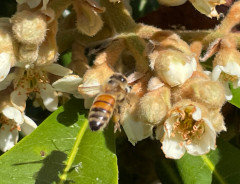
    Our 3 loquat trees blossoms supply much needed food for the bees including lots of honey bees


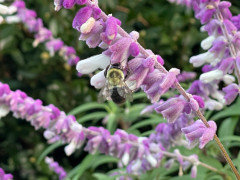
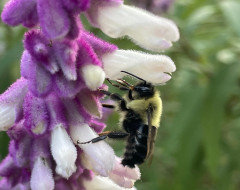
    Mexican sage is also frequented by bees


    Happy Fall Gardening

    arbordave (SE MI) thanked forever_a_newbie_VA8
  • last year


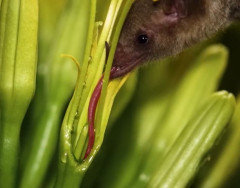
    Posting it just because it looks neat. Not my photo, rather I clipped this from a video about bats at point where their benefit as pollinators was being told.

  • last year

    four - cool image of a pollinating bat, thanks for posting. Bats are very important pollinators in some parts of the world (mainly tropical and desert areas) - see this article from the USDA Forest Service: Bat Pollination

    Unfortunately, a number of bat species in the US have been seriously impacted by White-Nose Syndrome, but I don't think it has been confirmed in Florida yet.

    Differentiating Clouded vs Orange Sulphurs can be challenging. I ran across this webpage that was helpful: The Colias Conundrum

    The last couple days have been unusually warm here (highs in the mid 70s), and it's been entertaining to watch dozens of hover flies jockeying for position on the Nanking chrysanthemum flowers, a great late-season pollinator plant. The hover flies dominate in sheer numbers, but there have been quite a few other visitors as well.


    honey bee

    brown lacewing

    cucumber beetle

    green sweat bee

    potter wasp

    yellow-collared scape moth

    some type of looper moth

    common buckeye


  • last year
    last modified: last year

    Get closeup to the buckeye, and it looks like something dangerous looking back at you. Certainly that is the idea.

    arbordave (SE MI) thanked bengz6westmd
  • last year

    Dave I has previously read that the clouded/orange could hybridize but that was a great article with much more detail. You still have a lot going on, beautiful.

    arbordave (SE MI) thanked peren.all Zone 5a Ontario Canada
  • last year

    Nanking Chrysanthemum is the only thing left in my yard that has anything to offer the pollinators (other than a few blooms left on Montauk daisy). The high temperature today (11/2/24) was only about 53 degrees, but there were dozens of very active hover flies and maybe a dozen honey bees visiting the NC. It's noteworthy that I haven't seen a single bumblebee visiting its flowers this year (though I did see at least a few last year).

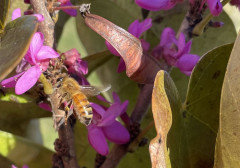
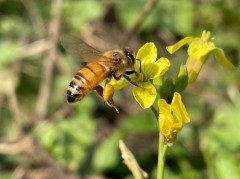
    Here's an unexpected sight in November - a honey bee visiting a redbud flower (this was in the field of a local nursery grower)

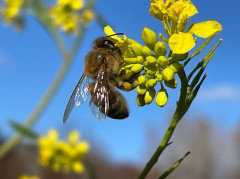
    There was a sizeable mustard plant (growing in a compost pile) still in flower at the same nursery, and it was buzzing with honey bees.

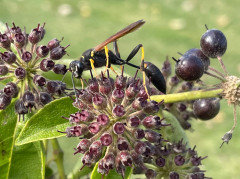
    There was a yellow-legged mud dauber wasp checking out the few remaining Siberian ginseng flowers a couple days ago (10/31/24). This wasp collects spiders to feed its larvae.


  • last year
    last modified: last year

    Nov.ember 5

    This time I was able to get closer, approx 6'.


    arbordave (SE MI) thanked four (9B near 9A)
  • last year

    Nov 5

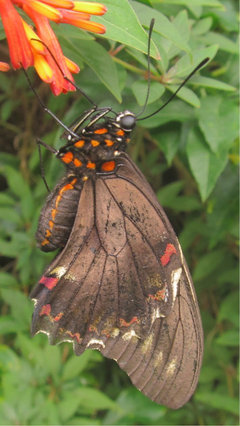
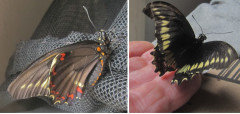
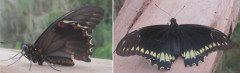
    Papilio polydamas


    arbordave (SE MI) thanked four (9B near 9A)
  • last year

    four - nice photos! The Polydamas (aka Gold Rim) apparently doesn't venture much beyond FL and south TX.

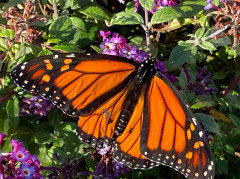
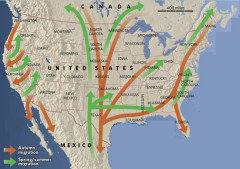
    Here's a rare sight in Michigan in November - seen today (11/6/24) on butterfly bushes that were still in bloom at a local garden center. With the unusually warm weather we've been having maybe it still has a chance (?) to migrate all the way to Mexico

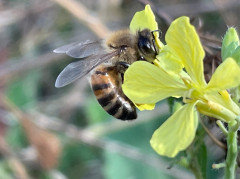
    A honey bee on a small mustard plant down by the creek (11/6/24)


  • last year
    last modified: last year

    >"Michigan in November.... to Mexico" ___ We worry. I look at the map and want to suggest shorter trip : Straight southwards, jog s. eastwards through Alabama and Georgia, then straight southwards again.


    arbordave (SE MI) thanked four (9B near 9A)
  • last year

    >"at a local garden center" __ That explains it. From caterpillar or chrysalis in shipment of plants from... (Texas, Virginia, etc.)

    arbordave (SE MI) thanked four (9B near 9A)
  • last year

    That is late Arbordave! The Journey North website says Monarchs need sunny days above 50 or cloudy days above 60 to fly so I hope we still have some of those left.

    In southwest Missouri we had our first freeze around mid October. I took cuttings of my tropical milkweed and put them in salsa jars with a few inches of water in a back bedroom and then apparently didn't check them for quite awhile. When I went to see if they were forming roots, I was shocked to find six Monarch cats a half inch long already. I should have checked my cuttings better for eggs. So I brought in some potted milkweed for them and now I have six chrysalises. I'm crossing my fingers that we will have a few warm days and no hurricanes when they emerge so they will at least have a chance.

    arbordave (SE MI) thanked christie_sw_mo
  • last year

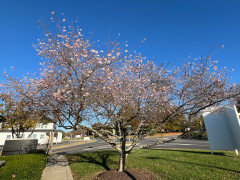
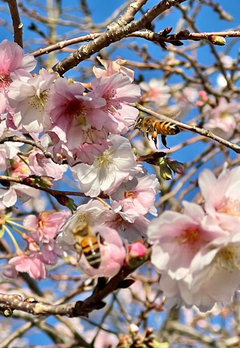
    There is a cherry tree blooming at a nearby business.


    It is loaded with pollinators this morning. unfortunately it was really difficult to get pictures with my phone.


    The bees seem very happy, but 80 degree days and blooming trees in November are pretty unsettling.

    arbordave (SE MI) thanked Markay MD-Zone 7B
  • last year

    Nov 10


    arbordave (SE MI) thanked four (9B near 9A)
  • last year

    @four (9B near 9A), nice to see big butterfly in this late fall.

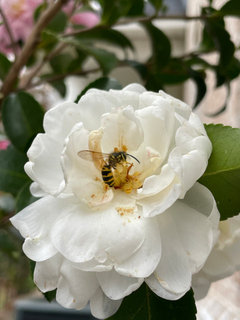
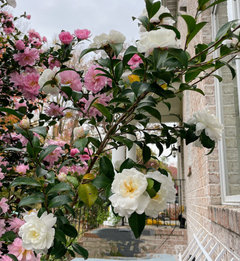
    A bee in the white camellia flower.

    By the way, this white camellia is a volenteer offspring from yhe pink camellia mother

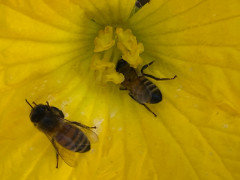
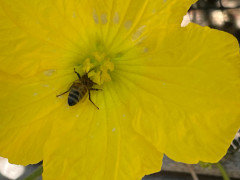
    Bees are heavily feeding on luffa flowers


    arbordave (SE MI) thanked forever_a_newbie_VA8
  • last year

    four and forever (and anyone else in the warmer zones) - keep those pictures coming! Pollinator season is probably about done at my location - the high temps for this next week won't be getting out of the 40s (with rain and snow in the forecast).

    I was amazed to see a monarch sighting posted on iNaturalist on Pelee Island (Ontario) in Lake Erie two days ago (11/18)! That has to be one of the latest sightings ever for that far north. The high on Nov 18 at my location was about 54F, warm enough to bring out some hover flies and a few honey bees


  • last year

    >"40s (with rain and snow in the forecast)" ___ 40s forecast here also. (night)

    >"keep those pictures coming" ___ I collected a bunch of Polydamas caterpillars, so, maybe some photos of adults in a few weeks.

    arbordave (SE MI) thanked four (9B near 9A)
  • last year
    last modified: last year

    Not "in my garden", but I saw this remarkable article about wolves in Ethiopia that were observed feeding on nectar from Kniphofia, making them the first large carnivores to be documented serving as pollinators in the wild:

    https://gizmodo.com/scientists-say-nectar-licking-wolves-are-first-known-predator-pollinators-2000527580

    arbordave (SE MI) thanked sah_upstate4 (zone 5b - NY)
  • last year
    last modified: last year

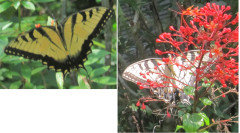
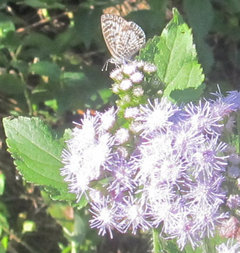
    Today Jan 5, 2025 butterfly Cassius Blue on plant Blue Mistflower


    arbordave (SE MI) thanked four (9B near 9A)
  • last year

    2025? OT!

    just kidding. :-)

    arbordave (SE MI) thanked BillMN-z4a
  • last year

    four - it's delightful to see the interesting butterflies you have at your location (it's currently 23F with light snow here, and pollinator season seems like a distant memory). The Cassius Blue apparently doesn't venture very far north, but there is a very similar species - the Marine Blue -that occasionally wanders as far north as the Great Lakes region. The two look almost identical.

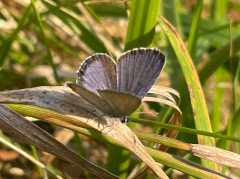
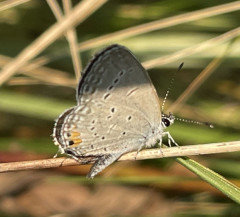
    The only members of the Polyommatinae (the blues subfamily) that I see on a regular basis at my location are the Spring/Summer Azure and the Eastern Tailed Blue. The latter species is common in late summer to early fall in the grass along the edge of the meadow across the road, but they're somewhat skittish and it's challenging to get a good photo (both of these taken 9/13/24):


  • last year

    Good photo because you caught the top surface, the blue surface.

    arbordave (SE MI) thanked four (9B near 9A)
  • last year
    last modified: last year

    2 months ago :

    >"...Polydamas caterpillars, so, maybe some photos of adults in a few weeks" ___ This year, cold triggered them to over-winter in chrysalis, which is the "regulation" behavior of this species (although mine eclosed in past winters) .

    Well, one eclosed today:

    It was the last caterpillar to pupate.

    I am curious to see when the "triggered" chrysalises will eclose.

    arbordave (SE MI) thanked four (9B near 9A)
  • last year

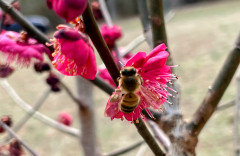
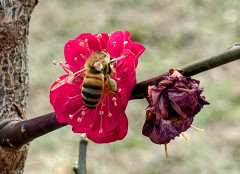
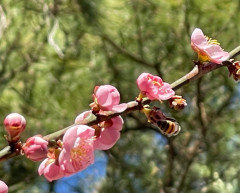
    @arbordave (SE MI), we are now in 2025. Maybe time for a new thread? honeybees are back to visit Prunus mume blooms

    Prunus mume ’Cinnabar’朱砂

    Prunus mume ’Bonita’


    arbordave (SE MI) thanked forever_a_newbie_VA8
  • last year

    forever, thanks for posting the honey bee photos! Yes I think it's time for a new thread for 2025, but it doesn't look like I'll have any pollinator activity here for a few more weeks. If you're interested, feel free to start a 2025 thread yourself since pollinator season is already underway at your location.

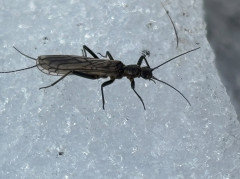
    The only insect activity so far this year in my area has been the emergence of winter stoneflies down by the creek. I was there a few days ago (2/25/25), and even though the creek was mostly frozen, there were stoneflies wandering across the snow adjacent to the few spots with open riffles (and hungry robins were gobbling them up).

    One online reference I found said that there are at least a couple stonefly species that have been documented to visit flowers and possibly aid in pollination. There probably aren't that many aquatic insects, however, that are significant pollinators, but one that is a well known pollinator is the common drone fly (Eristalis tenax) - a type of hover fly. Its larva is aquatic and known as the "rat-tailed maggot". I believe one of the hover flies that I was seeing late last fall was this species (10-26-24):


  • last year

    Some time in January I wrote :"Well, one eclosed today.... I am curious to see when the "triggered" chrysalises will eclose." ___ A few days after I wrote it, two did so, giving me to expect that, if any more were going to do it, then soon it would happen. Much waiting, even a few warm days, still none. Eventually I deemed them dead.

    Well, today March 10 (not warm), I report a very much alive surprise.

    arbordave (SE MI) thanked four (9B near 9A)
  • last year
    last modified: last year

    I thought that I had no more chrysalises. March 19 surprise :

    I placed it on a board for photographs.

    Such a long sleep. Maybe it had been holding out for at least a slightly warm night (we have had none), and last night's 44 degrees caused it to lose patience.

    arbordave (SE MI) thanked four (9B near 9A)