

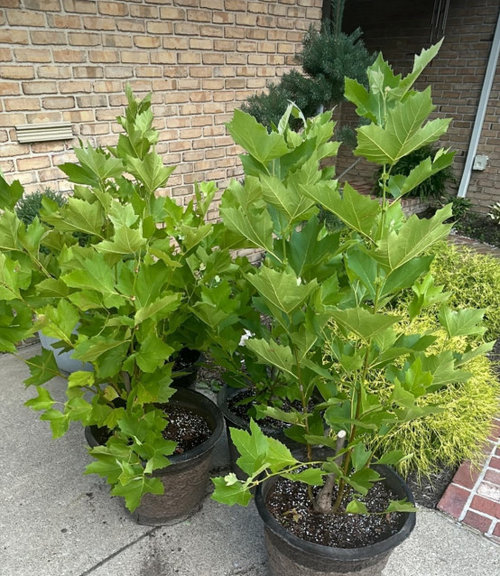
London Plane Tree Hedge?
2 years ago
Sort by:Oldest
Comments (9)

Related Stories
LATEST NEWS FOR PROFESSIONALS8 Interior Design Trends From London’s Decorex 2026
See the ideas and innovations showcased at the October show
Full StoryEVENTS8 Interior Design Trends From London’s Decorex 2026
See the ideas and innovations showcased at the October design show
Full Story
LANDSCAPE DESIGNSunny Patio Meets Shaded Woodland Retreat in a London Yard
A designer transforms a long, narrow lot into a series of elegant outdoor spaces for entertaining and relaxation
Full Story
URBAN GARDENSIn London, a Crowded Patch of Grass Becomes a Patio for Entertaining
A chic combo of wood siding, clever plantings and lots of elegant sandstone transforms a plain garden into a stylish space
Full Story
LANDSCAPE DESIGNLondon Oasis Has Space for Relaxing and Entertaining
A designer creates a lush backyard with seating and cooking areas near a soothing water feature
Full Story
GARDENING GUIDESWhen and How to Plant a Tree, and Why You Should
Trees add beauty while benefiting the environment. Learn the right way to plant one
Full Story
TREES10 Spectacular Trees for Courtyards and Tight Spaces
Here are some top small-scale trees for 4-season interest, easy care and little mess
Full Story
LANDSCAPE DESIGNHow Low Can Hedges Go? Discover Unusual Garden Borders
Short enough to step over, high enough to be a stretch ... check out these radically different hedge styles and tell us your opinion
Full Story
FALL GARDENING11 Trees for Brilliant Fall Color
Give your landscape the quintessential look of autumn with the red, orange and yellow leaves of these standouts
Full Story
LANDSCAPE DESIGN5 Ways to Use Trees to Create a Sensational Garden Space
Trees define spaces in multiple ways and bring a layer of shade and intrigue to the landscape
Full StorySponsored

Columbus Design-Build, Kitchen & Bath Remodeling, Historic Renovations
floral_uk z.8/9 SW UK
HU-618169007
Related Professionals
Atlantic City Landscape Contractors · Portland Landscape Contractors · Beatrice Landscape Contractors · Nashua Landscape Contractors · Plainfield Landscape Architects & Landscape Designers · Clarksdale Landscape Contractors · Rocky Mount Home Additions · Decatur Landscape Architects & Landscape Designers · West Palm Beach Landscape Architects & Landscape Designers · Moline Landscape Contractors · Rockford Landscape Contractors · Helena Landscape Contractors · Port Saint Lucie Home Builders · Hopkinsville Home Builders · Westminster Home BuildersN KOriginal Author
N KOriginal Author
floral_uk z.8/9 SW UK
N KOriginal Author
ViburnumValley central KY Bluegrass z6
N KOriginal Author
floral_uk z.8/9 SW UK