

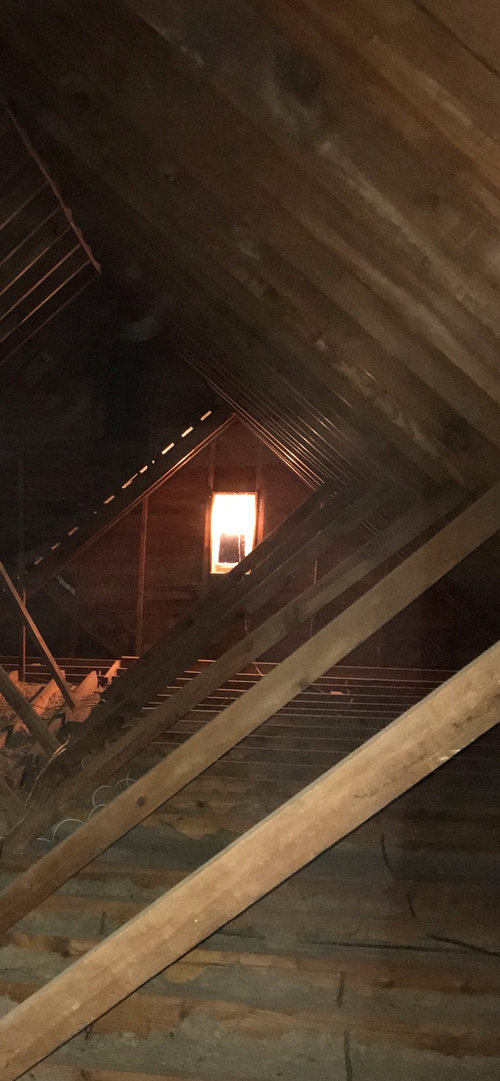
Stained glass window
2 years ago

Featured Answer
Sort by:Oldest
Comments (11)
 2 years ago
Related Professionals
Clarksdale General Contractors · Salinas General Contractors · Montrose General Contractors · Dothan Home Remodeling · Bloomington Home Remodeling · Oneonta Home Remodeling · Grand Forks Interior Designers & Decorators · Kearney Interior Designers & Decorators · Utica Interior Designers & Decorators · Saint Marys Interior Designers & Decorators · Marquette Home Remodeling · Pierre Home Remodeling · Daytona Beach Home Builders · Wilmington Kitchen & Bathroom Designers · Huron Kitchen & Bathroom Designers- 2 years ago
 2 years ago
- 2 years ago
 2 years agolast modified: 2 years ago
- 2 years ago
 2 years agolast modified: 2 years ago
- 2 years ago
- 2 years ago
- 2 years ago


Related Stories

WINDOWSFlying Colors: Stained Glass Through the Ages to Today
Ancient palaces sported it. Monks were distracted by it. But today's stained glass designs may be more glorious than ever
Full Story
DECORATING GUIDESColor Your Home's View With Stained Glass
Interiors get an enchanting perspective with stained glass windows, doors and fixtures that dapple the light
Full Story
Stained Glass for Every Style
Make your home glow with light and color from modern or traditional stained glass
Full Story
DOORSThe Art of the Window: 12 Ways to Cover Glass Doors
Learn how to use drapes, shutters, screens, shades and more to decorate French doors, sliding doors and Dutch doors
Full Story
DESIGN DICTIONARYLeaded Glass
Window panes show their strong character with this patterned glass
Full Story
DECORATING GUIDESDecorate With a Rainbow of Glass
Glass Accessories Play With Light and Color Indoors
Full Story
SALVAGEReinvent It: Antique Glass Goes Door to Door
Patchwork squares star on a door that once lived on a home's exterior, now gracing a historic home's dining room
Full Story
HOUSEKEEPINGHow to Clean Grout — Stains and All
If your grout is grossing you out, this deep-cleaning method will help it look new again
Full Story
HOUSEKEEPINGDon't Touch Another Stain Before You Read This
Even an innocent swipe with water may cause permanent damage. Here's what to know about how rugs and fabrics react
Full Story


toddinmn