Software
Houzz Logo Print
rifisnj

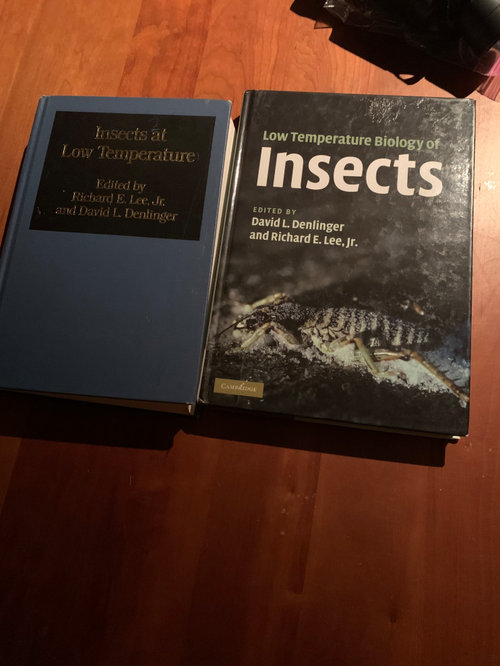
Guess what I couldn’t find …

… in either of these 2 books?

I believe vaporvac had the same experience.

Thank to my local library for obtaining them. The wonders of inter-library loans. I received them some time ago, but I’ve been busy. Tax season.


https://www.houzz.com/discussions/6480011/just-one-1-please-which-one-of-those-wow-etsy-roses-should-i-get


Comments (12)

  • last year

    Chili thrips? I thought they were a myth until they started attacking my roses. Last year, no problem—I think lots of water helps keep them at bay.
    Rose midge we don’t have, thank God.

  • last year

    Excellent!

  • last year

    Rose Midge Winter Survival and Soil Temperature Effects

    Overwintering Stage and Habitat

    Rose midge pupae in their silken cocoons (white) under rose debris; the middle cocoon is opened to reveal the orange pupa inside. Rose midges (Dasineura rhodophaga) survive the winter in the soil as late-stage larvae or pupae encased in flimsy white silken cocoons

    content.ces.ncsu.edu. After the last generation of the growing season, mature maggots drop to the ground and form cocoons just beneath the soil surface, where they remain dormant until springcontent.ces.ncsu.eduportal.ct.gov. Studies and extension reports note that the overwintering stage is typically very shallow – often in the top 1–2 inches (2–5 cm) of soil or mulchagsci.oregonstate.edu. In fact, horticultural experts warn that rose midge can easily overwinter in mulch around rose bedsagsci.oregonstate.eduindianapolisrosesociety.com. Because the cocoons are near the surface, they experience the full brunt of winter soil conditions, making temperature a critical factor in their survival.

    Temperature Thresholds for Overwintering Success

    Soil temperature is the main factor affecting pupal development and spring emergence

    bclna.com. Rose midge pupae remain dormant through cold periods, and they only resume development (to emerge as adults) once temperatures rise sufficiently in late winter or springpost-gazette.com. In practical terms, adults will not emerge until soil temperatures “warm” in springpost-gazette.com. Garden observations even note that a cooler spring (delayed soil warming) can allow roses’ first flush of blooms to escape damage, whereas an early warm-up triggers earlier midge emergence and bud attackpost-gazette.com. One controlled study in British Columbia found that accumulated warmth was required for emergence – the pest’s first spring emergence coincided with reaching about 280 degree-days above a 4 °C soil base temperaturebclna.com, highlighting a threshold for development. Thus, there is a minimum soil temperature (or heat accumulation) needed for rose midge pupae to break dormancy and pupate into adults each year.

    Crucially, if soil temperatures remain below that threshold, midge pupae will stay in diapause and not transform – effectively delaying their activity. This is why early-season soil temperature monitoring is recommended for timing management actions. For instance, an IPM program guide suggests checking daily soil temps in early spring to anticipate midge emergence, and notes that growers can use regional soil temperature data (e.g. New Jersey’s statewide network) to predict when to treat

    repository.upenn.edu. In essence, once the upper soil layers consistently climb into the range favorable for pupal development (often mid-50s °F to around 60 °F, according to anecdotal timing), the overwintered generation will begin to emerge.

    Effects of Extreme Cold and Temperature Fluctuations

    Winter cold can be a double-edged sword for rose midges. Extended freezing temperatures dramatically reduce the survival of overwintering larvae/pupae in the soil

    pnwhandbooks.org. Extension entomologists note that “very low temperatures in winter significantly reduce overwintering populations”pnwhandbooks.org of pests – rose midges included. In regions with harsh winters where the ground freezes deeply, a large portion of the cocoons near the surface may be killed by cold. For example, the Pacific Northwest Pest Management Handbooks indicate that severe winter cold has a strong limiting effect on rose midge populationspnwhandbooks.org. Similarly, rose specialists often observe far fewer midges after an especially frigid winter, as many pupae cannot survive once soil temperatures drop well below freezing for prolonged periods.

    On the other hand, temperature fluctuations (freeze-thaw cycles) during winter can also influence survival. If an unseasonable warm spell in mid-winter causes soils to thaw and even reach near the development threshold, some pupae might prematurely resume development. A sudden return to freezing conditions can then be lethal to these dehardened or actively developing individuals. Even if the midges do not fully emerge, the loss of cold hardiness during a thaw can make them more vulnerable to subsequent freezes. Consistent with general overwintering biology, a stable cold dormancy is safer for insects than abrupt temperature swings. A deep snow cover or thick mulch layer can buffer these fluctuations by keeping soil temperature relatively steady (just around freezing)

    houzz.com – ironically insulating the pests as well as the plants. In fact, continuous snow cover in cold climates may allow more midges to survive by preventing the extreme cold from penetrating the soil and by avoiding repeated freeze-thaw cycles. Conversely, in open exposed soil, cycles of daytime thawing and night refreezing can increase mortality of the fragile cocoons. Thus, both the absolute low temperature and the pattern of temperature change are important: gradual cooling with an insulating layer is less damaging than rapid, repeated freezing of the upper soil.

    Field experts have leveraged these vulnerabilities as control opportunities. Some rose growers deliberately cultivate or disturb the topsoil in late fall or winter to expose cocooned larvae to harsher conditions

    portal.ct.gov. By raking out old mulch in winter and removing it, one can physically remove or expose many overwintering midges to lethal coldagsci.oregonstate.edu. The Connecticut Agricultural Experiment Station, for instance, recommends lightly tilling the soil in winter or early spring to destroy rose midge cocoonsportal.ct.gov. This practice underscores how a combination of low temperature exposure and physical disruption can break the pest’s cycle during its most delicate stage.

    Geographic and Climatic Variations

    Research and extension observations from different regions show that rose midge winter survival and seasonal activity vary with climate. In warm winter regions (with minimal freezing), rose midges can survive in large numbers and resume activity very early. Coastal British Columbia (marine zone 8) reports midge damage as early as late January in mild years

    bclna.com – indicating that many cocoons survived the winter and pupae began emerging during mid-winter warm periods. In one B.C. trial, rose midge activity was observed from January all the way to October, with peak generations in mid-June and again in late Augustbclna.com. Likewise, in North Carolina and the Deep South (USDA zone 7–8 and warmer), rose midges may complete several continuous generations per year; damage tends to start in spring (minimal early on) and then build up to major peaks by summer (e.g. late June and again in late August)content.ces.ncsu.edu. In these milder climates, winter soil temperatures often never drop low enough to cause a full die-off, so a high proportion of the fall generation survives to restart the cycle in spring.

    In colder climates, rose midge populations are naturally checked each winter. In the upper Midwest and Northeast US (zones 5–6), midges still occur (they were first noted in New Jersey in the 1880s

    agsci.oregonstate.edu and have been found in Illinois, Ohio, Wisconsin, and Ontarioagsci.oregonstate.edu), but winter survival is lower after severe cold. Here, the midge typically doesn’t resume activity until late spring (May or June) once soils thaw and warm sufficientlyplantpath.ifas.ufl.eduportal.ct.gov. For example, an IPM guide for the southeastern US notes rose midge activity mainly from June to September in mid-Atlantic Zone 7 gardensplantpath.ifas.ufl.edu – later start and a shorter active season than in milder coastal areas. In Connecticut (Zone 6), most damage occurs May through November, and “flies are seldom seen during the winter” outdoorsportal.ct.gov, implying a halt in activity until the following spring. This winter lull is because many pupae succumb to the cold or at least remain in diapause until enough consistent warmth returns. The net effect is that northern rose gardens often experience a partial “reset” of the midge population each year, whereas southern gardens can harbor nearly year-round populations (and even continuous breeding in greenhouses)portal.ct.gov.

    Geography also influences soil depth of overwintering due to climate: in colder areas, larvae may burrow slightly deeper into soil or find refuge under insulating mulch/snow. However, most remain near the surface where the preceding host debris lies

    agsci.oregonstate.edu. If the frost line penetrates below the depth of the cocoons, mortality will be high. Notably, rose midges are absent or rare in regions with extremely cold winters (upper USDA Zone 3–4) unless protected, suggesting an inability to survive absolute minimums below roughly –20 °C in exposed soil. Extension sources indicate the pest can survive outdoors down to about Zone 4 in sheltered conditionseur.ipps.org, but areas colder than this likely see the midge eliminated by winter freezes. In contrast, virtually no winter constraint exists in frost-free tropical climates or heated greenhouses – allowing many continuous, overlapping generations and making the midge a serious year-round pest under such conditionsportal.ct.gov.

    Summary of Key Findings

    In summary, the winter survival rate of rose midges is tightly linked to soil temperature conditions. The larvae/pupae overwinter just under the soil or mulch surface, making them vulnerable to freezing. Cold thresholds determine their fate: if upper-soil temperatures stay above freezing, most pupae survive, but once temperatures drop to freezing or below for extended periods, survival plummets

    pnwhandbooks.org. Sudden warm intervals can trigger premature development, only for subsequent freezes to kill those individuals. Gentle, constant cold (or insulating snow) can paradoxically improve survival by preventing deadly temperature swings. When spring arrives, soil warming past a threshold triggers emergence of the new generationpost-gazette.com – effectively ending diapause. Warmer regions see rose midges reactivating sooner and cycling longer, whereas colder regions impose a longer dormancy with higher winterkill. By understanding these temperature-dependent dynamics, researchers and growers can better predict rose midge pressure (for instance, expecting more midge damage after a mild winter) and target controls at the most vulnerable overwintering stageportal.ct.gov. As one research report succinctly stated, “soil temperature is the main factor” governing rose midge overwintering and developmentbclna.com – highlighting why winter cold (or lack thereof) is such a critical determinant of this pest’s survival and success.

    Sources

    • Baker, J. R. “Rose Midge.” NC State Extension, updated Feb. 15, 2024. Describes D. rhodophaga life cycle (overwintering cocoons in soil)
      content.ces.ncsu.educontent.ces.ncsu.edu.

    • Rosetta, R. L. “Rose midge.” Oregon State Univ. Nursery IPM, updated Aug. 2019. Notes shallow soil pupation (top 1–2″) and recommends removing mulch to eliminate overwintering larvae
      agsci.oregonstate.edu.

    • Elmhirst, J. et al. “Rose Midge Research Report.” BCLNA Trial, 2006. Reports soil temperature drives pupal development (spring emergence)
      bclna.com and documents rose midge seasonal peaks in coastal B.C.bclna.com.

    • Pacific Northwest Pest Management Handbooks. “Rose (Rosa) – Rose midge.” (2018). Mentions very low winter temperatures significantly reduce overwintering larvae
      pnwhandbooks.org.

    • Pittsburgh Post-Gazette. “Control rose midges to ensure blooms.” (June 29, 2013). Notes adults emerge in late spring as soil temperatures warm, delaying damage if spring stays cool
      post-gazette.com.

    • Knox, G. et al. “IPM for Shrub Roses.” Univ. of Florida IFAS, 2014. Confirms rose midge overwinters as pupae in soil; main activity June–September in Zone 7
      plantpath.ifas.ufl.eduplantpath.ifas.ufl.edu.

    • Cowles, R. S. “Rose Midge.” CT Agricultural Exp. Station Plant Pest Handbook, 2018. Records many generations May–Nov in CT, with winter as inactive pupae stage; suggests soil cultivation to kill cocoons
      portal.ct.govportal.ct.gov.

    • Hefner, J. “Rose Midge.” Indianapolis Rose Society, 2018. Emphasizes that midges can overwinter in garden mulch and need early-spring intervention
      indianapolisrosesociety.com.

  • last year

    Wow! I didnt know chili thrips were in California. I thought just maybe S and Central FL and parts of TX had them. I haven't seen them yet in N FL. I am sure they will be coming, just like the Cuban Tree Frogs lol.

  • last year

    And how can one tell the difference between thrips and chili thrips?

  • last year

    It seems chili thrips are native to Asia just like the Asian Psyllid that is wiping out citrus..I don't know how the Chili Thrips arrived but the Asian Psyllid is thought to have came to FL smuggled in on a piece of a Pomello Citrus branch that someone was going to use for propagation material. Another report said it came from Orange Jessamine aka Orange Jasmine (Murraya paniculata) plant material which is closely related to citrus via the Rutaceae family, which includes citrus. This plant is also native to Asia.

  • last year

    Chilli thrips have been alive and well in So Cal gardens since 2014. You'll never see the insect...just the damage; blackened buds, distorted foliage, elongated growth. They thrive best in heat.

  • last year

    Hugogurll, I agree with what you say about So Cal and chili thrips. We had a regular member who posted on the first seasonal thread in 2016 complaining about the chili thrips on her roses. Her name was Jasmine and she lived in So Cal. I wish she still posted--she was a friendly, delightful person, one of a long line of forum members that are no longer here. I think she lived in one of the hotter, drier areas. Regular thrips are a very small problem in our hot, dry summers. They must be scared off by our freaky cold springs--haha. Diane

  • last year

    Thanks for the links, Sultry. I guess if I want to know which kind of thrip I have, I’ll need to examine them with a lens. I don’t know if I could tell the difference even then, but I guess it doesn’t really matter. I just know I have these itty bitty little thrips that do awful damage and I’m trying to head them off early this spring by spraying Spinosad before the damage is obvious.

  • last year

    Diane, Jasmine lived where I do now, Santa Clarita. Before I moved from the San Fernando Valley in 2018, Jasmine came to our house and dug up one of the roses I couldn’t take with me, with my blessing of course. I’d like to see her come back.

  • last year

    Sylvia how nice of you to share a rose with Jasmine, and also jogging my memory about her exact location. I'd like her to come back, too, and so many others I miss.


    Judi, good luck in finding out what exactly you're battling. I had no luck with Spinosad years ago, but I believe I was using a powdered or granular form. Hopefully your spray is an improvement. Diane