Software
Houzz Logo Print
artinnaturez8b

Pine and Cupressaceae ID?

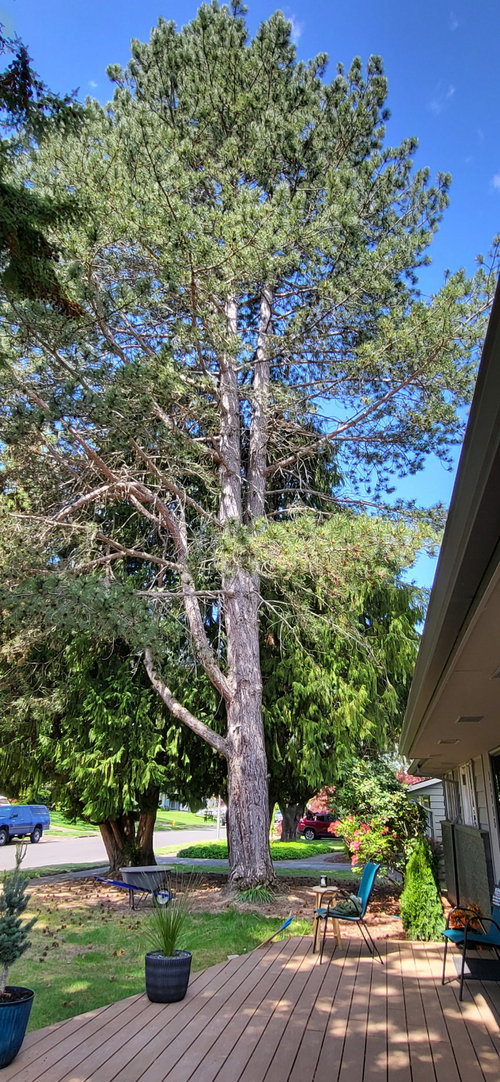
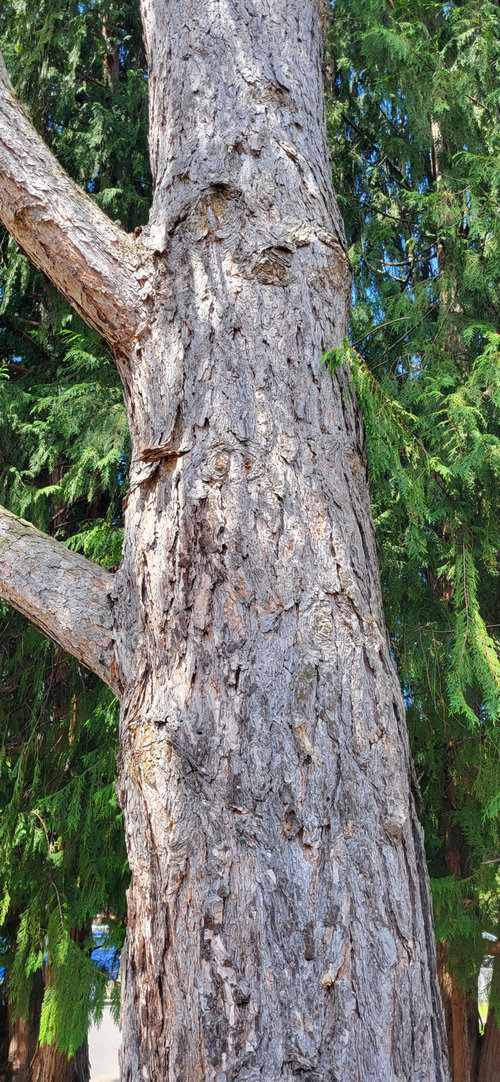
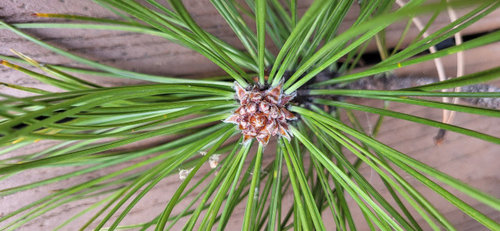
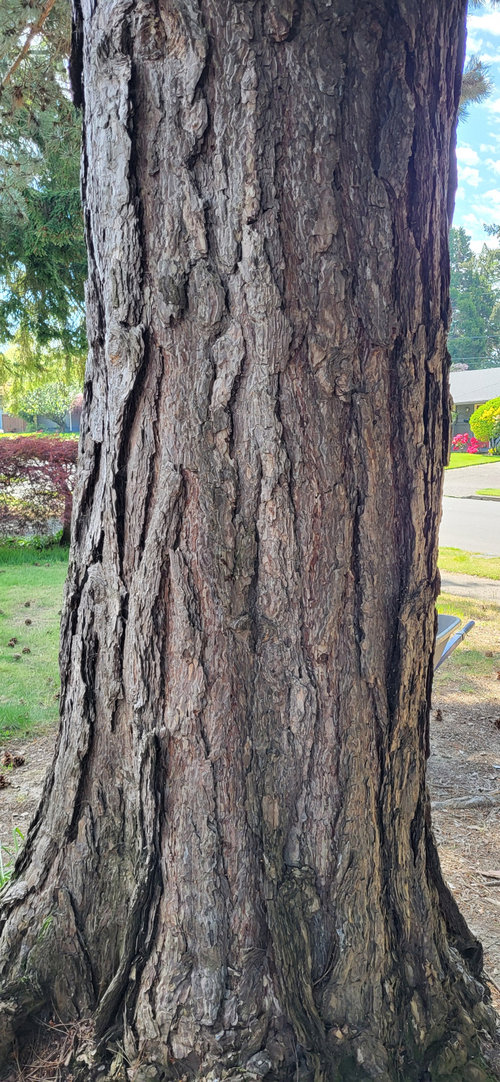
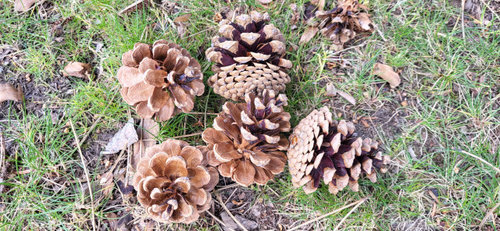
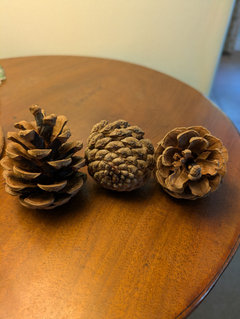
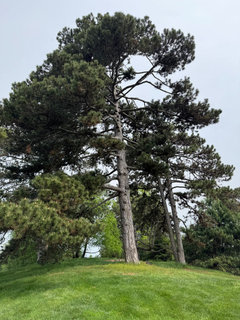
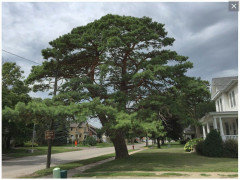
We are now settled in our new home in Cedar Hills, Portland, Oregon. This pine is one of several conifers in the garden, and I'm unsure of the species. Needles are in fascicles of two. The other conifers on the property appear to wild collected natives, or perhaps some of them were growing here when the neighborhood was developed in the 40s, but I doubt it.
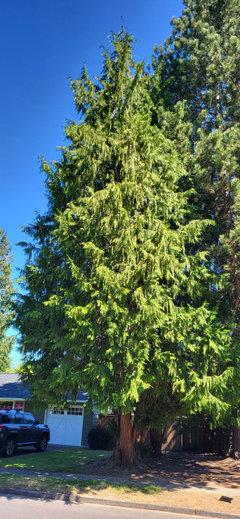
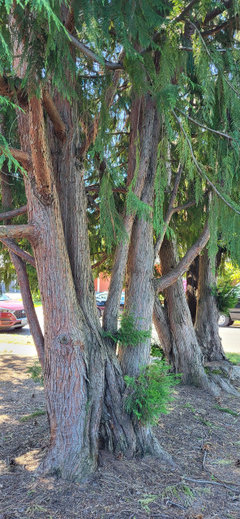
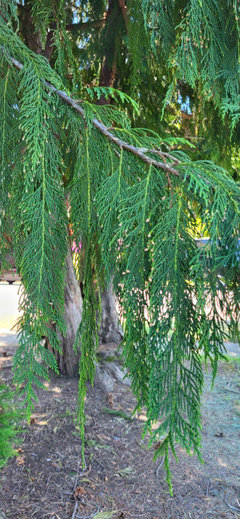
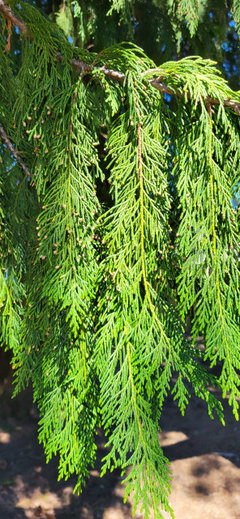
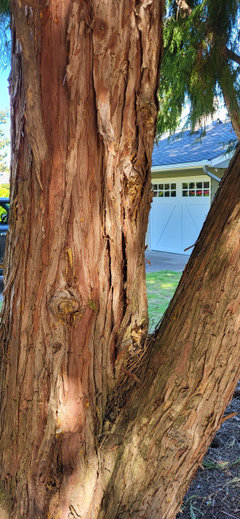
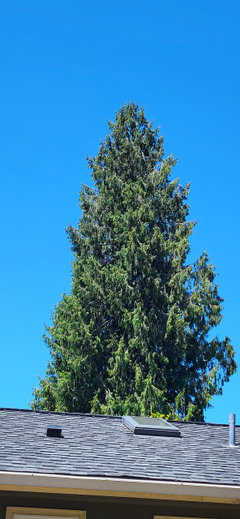
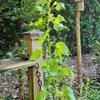
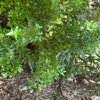
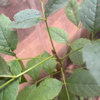
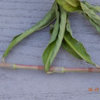
The two Cupressaceae in the photos are also a bit puzzling. To me, they most resemble Chamaecyparis nootkatensis (Callitropis, Cupressus, etc. Etc.) But they're just so broad and dense, I'm unsure. I'm also being very lazy, as there is a lot to do after a move, so I haven't dove into the morphology of either tree.

Comments (22)

  • last year
    last modified: last year

    Could be Austrian pine. Needles look alittle too long & straight for lodgepole pine.

  • last year

    AFA the cupressaceae, et al, not enough visible for me to know, but the one view of weeping fronds does suggest weeping Nootka cypress.

  • last year

    Could that be P. resinosa? What are the odds!.

  • last year

    Would P. sylvestris be a silly suggestion? It's the only pine native over here and the only one I know vaguely.

  • last year

    I think P. sylvestris is a reasonable option. There are many planted around the city. The tree in the back looks like a western red cedar to me.

  • last year
    last modified: last year

    The bark color, 2 needle bundles and cones reminded me of P. resinosa also.

    But the lower trunk doesn't look right for that and the clustered scales at the base of the cone aren't right either.

    I don't see many mature P. sylvestris around here, but the example above is similar except for the cones.

    eta: yeah, after examining more cones, P. sylvestris it is!

  • last year

    It's been a few years since I've been up close and personal with the state tree of Minnesota, but I'm fairly sure it's not that. P. sylvestris is seen here often but it's not that one either, needles are much longer, greener and the cones larger, at 2.75" long. P. ponderosa seems wrong too. These three species have a lot more color in their bark than my tree, which is only barely colored in few spots.


    I'm leaning towards some other species native to Oregon, or a subspecies of one of them, or something in the Austrian, Japanese Black Pine realm...

  • last year

    Pinus nigra looks right to me.

    tj

  • last year
    last modified: last year

    I know P. sylvestris cones from childhood. My first school had toilets in sort of shed across the playground under a row of these trees. There were always pinecones all over the floors and much fun was had chucking them over the partitions at the poor kid in the next stall.

    These are Scots Pine cones. A few years old but not dating from my schooldays!

    The cone on the left is exactly 2.75" long.

  • last year

    The pictures of cones in the original request appear to have hooks on the scales.

    Your last photo of Scots pines appears to be smooth.


    Your school days? Then we're talking voltziales. lol

  • last year

    Cones do resemble P sylvestris a lot but I think the leaves are too long to fit.


    P nigra does seem to fit best.


    I was leaning towards native because all of the other conifers in this garden are native: Picea sitchensis, Tsuga heterophylla, and, if I'm right, Chamaecyparis nootkatensis, leading me to speculate that the original owner collected all of them in the local forests of the Coast Range. But the more I look at my pine, the less native it looks.


    I'll post photos of the two suspected Alaska Cedar, see what y'all think.

  • last year

    How sweet of you, Bill.

  • last year

    Here they are:

  • last year
    last modified: last year

    Pondorosa pine var. scopulorum have smaller cones similar to ones pictured with very long needles and 2 needle fascicles (sometimes 3).

    Those branches look more like Alaskan cypress to me. Both barks are similar.

    'How sweet of you, Bill.'

    Eh, nbd, I'm old too. ;-)


    eta: actually floral, I thought I was talking to someone else when I posted that. It's been a long day and I kind of overdid it outside in the 80d temps. Sorry.

  • last year

    This is a P. nigra at New York Botanical Garden. The bark is dead gray, while there’s some definite red/orange in op’s photo. Can P. nigra display this trait?


  • last year

    The cedar is western red cedar. Alaskan cedars arent native to the portland area and have a much different shape in age.

  • last year

    And the bark on that pine doesn't look like the Rocky Mountain ponderosas that I have seen, now that I think about it.

  • last year
    last modified: last year

    An observation -- the P. sylvestris I've seen almost always have much more orangish-tinted bark higher up on trunk and large branches, and they tend to branch out more than the central-leadered specimen shown. Additionally, P. sylvestris needles from a distance have a slight bluish cast to the green -- don't see it here.

    Artin, P nigra were at one time fairly commonly planted here in the east US, until the pine-blight nematode began taking them out just like P. sylvestris. Perhaps they're still available/planted in the west US....


    Edit: Here's a P. sylvestris in Bill's MN. Notice the branch form & texture of the foliage does not match Artin's pine.


  • last year
    last modified: last year

    Most likely the Cupressaceae genus tree is Western Red Cedar. It's a very common tree in Portland area and Pacific Northwest.

  • last year

    Olympia fruit breeder - That is the one species I'm quite sure it isn't. Here is Thuja plicata in my neighbors back yard, very different habit, and they pretty much always look like this.


    Lately, I've been wondering if it's Chamaecyparis lawsoniana rather than Chamaecyparis (Cupressus, Callitropis) nootkatensis, based on a YouTube video (the hoticulturists) showing a Port Orford Cedar in Australia that looks a lot like my trees, very green, very pendulous.


    Somebody needs to key it out, but that somebody won't be me, too busy keeping my garden alive through yet another upcoming extreme heat event here in Portland.

  • last year
    last modified: last year

    You can take a look at the trunk of a Chamaecyparis lawsoniana tree here on this page:

    Things I Saw in Madeira (botany for paleoartists part V) | Humming Dinosaurs and Nature's Other Small Wonders

    and another one here:

    8. Lawson Cypress

    The trunk shape in these pictures does look like it could be consistent with your tree.