Software
Houzz Logo Print
rnmomof2

Dying sassafras trees

last year
last modified: last year

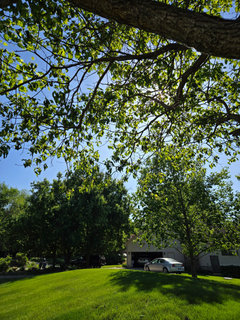
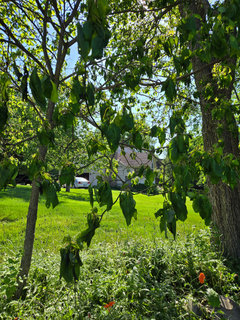
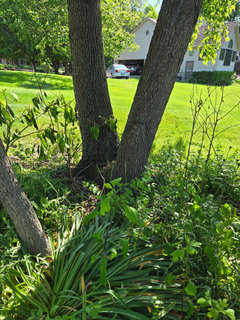
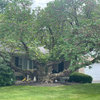
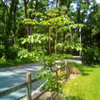
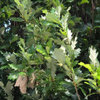
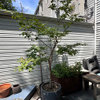
I have a naturalized area in my front year. Along the property line. There is one large sassafras tree and several good sized trees that we let grow from suckers.I noticed last week that 3 3 ft tall suckers were bare leaved or willing. Today, I realized all but the trees but the large one have deformed leaves.I am suspecting pesticide damage from our neighbors lawn company.Thoughts? Thoughts on how to get some accountability or settlement?

Comments (16)

  • last year


  • last year
    last modified: last year

    If the wilting happened suddenly, pesticide drift could be a cause (especially if a neighbor’s contractor sprayed on a windy day). Drought and over/under watering can also be culprits.

    There are also a lot of tree diseases that cause wilt/dying. An internet search shows laurel wilt fungal disease is impacting sassasfras.

    You need to factually prove a neighbor’s spraying accidentally or intentionally caused tree damage on your property. There are labs that analyze tree tissue and surrounding soil to determine of toxic substances are involved. Likely such labs and an attorney will not be inexpensive.

  • last year
    last modified: last year

    I was hoping that 5 trees all with wilted leaves would be sufficient evidence. I would find it very ironic that they all would be at the same stage of a disease, all of a sudden.


    The only tree not effected currently is one that has a very high canopy, the sick trees are all under this trees canopy.

  • last year
    last modified: last year

    As Design mentions prb'ly laurel-wilt as it maims/kills sassafrases in east N America.

  • PRO
    last year

    Gosh, sassafrass can grow like weeds... and die like them too. They are junk wood, and so not considered for logging money. Even if it were worth money, the suckers wouldn't be worth anything yet. The wilted ones might pop back. If not, just clip them down and allow the next round of suckers to pop up. Or, chances are, clip them down and they will send up another sucker right there.

    I'm not sure it's drift from the pics... a lot of the other ground foliage in them looks OK. I would think that if drift were the issue, it would also have impacted other ground foliage.

    Since sassafras is kind of a weed, and it isn't for sure a drift issue... I don't think you would get any litigation benefit. I'm not sure why the thought process would jump to that with that kind of thing.

    I say this as someone with a lot of sassafras on the property. I regularly coppice out some along a fenceline. Suckers can grow pretty straight, and make good garden stakes. We mow paths through suckers out back in a couple spots. And those tiny forests- some grow bigger, some die off... but there are always more next year.

  • last year

    We have had this grove, which has grown from suckers. for 30+ years and it seems suscpicious that 6 out of 7 would get this all at the same time. We have never had one of the sassafras die on us.

    Laurel wilt, per ag maps, is not prevalent in my area. I did reach out to a local college and they have someone coming out later in the week to look at the trees.

    I was more interested in perhaps some assistance in removing them if it comes to that point and not a cash settlement. Ironically, the neighbor whose yard this borders, has lost a few shrubs near these trees. We both feel that's a little suspect.

    I will be very sad if these trees die as they separate us from the view of our neighbors mound septic system and the end/back of their house. Plus they are an unusual native tree in our wooded neighborhood. Kids love there leaves when doing all of the school and 4H tree projects.

  • PRO
    last year

    Oh. If you need assistance in removing them, you would want to contact a tree removal service if you aren't able/willing to do it yourself. The three foot-ish ones look like you could do it with a pair of loppers, if you own a pair. I find sassafras saplings up to 2" across are real easy with a decent pair of loppers. You just nip them at ground level, and let nature do the rest. Sounds like a main tree isn't affected, so it will send up more suckers. It's canopy is high enough that you should still get this seasons green and fallen leaves aplenty.

  • last year

    I know it's not really an answer or helpful, but in Zone 6 I had a stand/cluster of 7 sassafras trees about 6" or so around and maybe 30' tall. 3 of them died off (never sprouted leaves) last spring and I thought it was just self thinning, as they were the more interior ones and were crowding eachother growing out from about a 6ft diameter circle.


    Unfortunately, this year, the other 4 seem to have died. I never witnessed any wilting though - they looked very healthy otherwise. Very sad to see them go - others may have different opinions but it's a pretty tree - very elegant structure as it gets larger, pretty early spring flowers, and birds love to hang out in them.

    RNmomof2 zone 5 thanked Gregg z6a-CT
  • PRO
    last year

    It is pretty. I also love the lemon scent. I made sassafras perfume a few years ago, it was nice. Made sassafras root tea too, but that was a process I choose not to do again, lol.

    RNmomof2 zone 5 thanked beesneeds
  • last year
    last modified: last year

    It is more that if a company killed the trees with their negligence why should they not have to pay for removal or replacement? A lawn care company can go around spraying chemicals that can do harm willy nilly and not pay the price for the damage that is done? The neighbor is mad about her shrubs as well.

    I lope off many suckers a year, its the stump of the trees that are 12+ in diameter that is a bit of work to remove and disposing of the tree is not cheap or easy also.

  • last year
    last modified: last year

    You just need to convince your neighbor (or the lawn care company) to pay for your tree removal and replacement based on your suspicion that the lawn care company caused the damage. Good luck.

  • PRO
    last year

    Ah, I see. Luck in endeavors indeed.

  • last year

    The majority of the plants under the trees are native poppies that you can not kill even with Round-Up. I try taming them every year and they just spread more. I love them because they were unexpected hitch-hikers from my grandmother decades ago. They come up and bloom quickly, then look like brown wiry dead stems. They were not up when I first noticed the smaller volunteers with leaf die out.

    Even with a large amount of rain this week, the leaves look worse. I have minimal hope they will pull through. 😒

  • last year
    last modified: last year

    The poppy family is actually very sensitive to growth regulator type herbicides, as I found out a few springs ago. (only case I've ever seen where the vapors of an amine '3 way' were strong enough to kill plants that were nearby but not sprayed; usually that only happens with an ester formulation)

    If the sassafras are dying of a fungal infection, 'large amounts of rain' will have hastened that demise.

    It feels like there are a lot of details missing from your account. Lawn care companies generally want to avoid damaging anyone's trees or ornamentals, whether on the property they are treating or an adjacent one. If they had applied something that was damaging woody plants, are we to believe the neighbor has no trees and shrubs in their yard to be damaged? Their property is just lawn grass and nothing else? There was a product, Imprelis, that was causing unintended damage to trees many years ago, but it's no longer used.

  • PRO
    last year

    Let's just step away from the drift notion here for a moment. Ground foliage seems not to be impacted while the sassafras is. What else could be causing the issue in the sassafras then?

    Laurel wilt has been brought up. But the OP said they are not in its noted range. There is also the problem it's usually a later summer issue more than a late spring one. There are other issues it could be.

    Overwatering can be an issue. If there were a lot of rain, maybe. There are other fungus it could be. A novel one was discovered in Indiana a couple years ago, along with a couple finds in ambrosia beetles. They went looking because of sassafras die offs. Ambrosia beetles are usually noted for Dutch Elm spread. It could potentially be that where ever the OP is, they are getting introduced to a new issue moving into their area.

    It's a good thing they called out to a local college about this. They hopefully can better confirm what the issue is. Perhaps catch something early in the area. At any rate, the OP said they were coming in this week. So I hope they update us once the person comes out.