Software
Houzz Logo Print
northofbronx

Landscape redesign in southern NY

last month


Hi! Prefer native shrubs, trees, plants. Like deciduous multi season interest and evergreens. No invasive plants and not too big. THANK YOU!

Comments (22)

  • last month

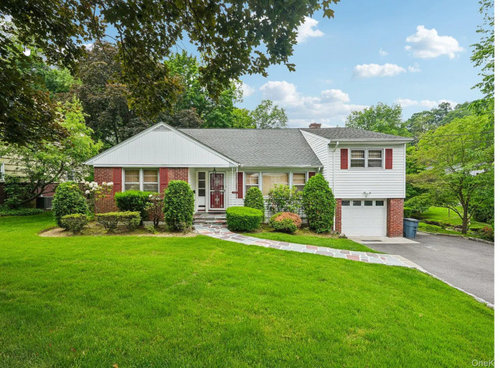
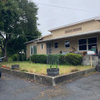
    What's there right now? I see two rhodos, neither of which look all that healthy. (It's not the greatest pic, so I could be wrong). Why aren't the rhodos thriving? That's an important question for what will work for you. What are the rest of the plants? IDing them is important, because the cheapest way to landscape is using plants you already have.


    What are your goals? A bigger, more varied and colorful garden? Or just foundation shrubs that are a bit more cohesive and don't need pruning? What's your fondness for gardening? Plant it and forget it? Or putter in the garden every nice day?

  • PRO
  • last month

    Thank you for comment and visual. It's lovely. Will be gardening on weekends only but do love it.

  • last month

    Would love color and some flowering.

  • last month

    Not sure exactly what is there now or why the Rhodos aren't thriving. Will be moving there in spring

  • last month

    It is so tempting to dive into a new garden as soon as you move there but the best advice it to live there for an entire growing season first. (You can get your ya-ya's on with some annuals if you want.)


    During this year:


    1. Learn about why the rhodies are not thriving. You will be throwing away good money if you put new plants into bad or diseased soil.


    2. Learn to use google lens to identify flowers. Take lots of walks around your neighborhood in every season including winter and see who has what planted and which blooms and textures and leave you admire at different times of the season.


    3. Go to area gardens Wave Hill (you must not be that far) and observe their plants and arrangements.


    I live in the area and inherited a garden and did just this. I came to find a formula of sorts that I liked for my site and seasonal greenery. Yours will be a lot about finding the right height of natives that slope nicely down your hillside.


    For fall blooms I love sedum and anemone. For winter grasses have a lot of lovely wind movement and many can have nice color too. In summer, coneflowers.


    I love pee-wee hydranga as well. Don't know if they are native or not.


    Find native landscape designers in your area and have fun daydreaming using their portfolio images. Here is a good one:Green Jay Landscape Design


  • last month

    Sigrid and Kendrah have given you invaluable advice.

    Please note that native plants are desirable to deer. Talk with your neighbors and get a feel for the size of the local deer herd. Deer resistance may be a big factor in plant selection.

  • last month

    Re Google lens. While helpful it can be very inaccurate, so check on the Name That Plant Forum too.

  • last month

    Thank you everyone you are great

  • last month

    It is not correct that all native plants are "desireable to deer." Just off the top of my head, here are some that are highly resistant: Shrubs: Physocarpus (ninebarks), native Viburnums. Trees: native Magnolias including the lovely and deciduous M. virginiana. Perennials: Rudbeckia maxima, Vernonias (Ironweeds), Joe Pye weed, all Iris including native ones, all grasses including native ones like Panicums and Andropogons (like the well-known 'Blackhawk', Amsonias,


    Sorry it's 6AM and I need to move on. There are lots more deer resistant natives.

  • last month

    Lacey that depends on the deer pressure. My local deer eat viburnums and ninebarks. A better resource would be the Rutgers deer resistant list or... best yet... a local landscaper.


  • last month

    Wonderful suggestions thank you

  • last month
    last modified: last month

    Another option:

    I removed most of the existing shrubs, leaving only three at the left corner where their maturity is an asset, replaced the others with shrubs that will stay low. This does use evergreen azaleas and a dwarf rhododendron, assuming you have the acid soil they need (which you might not, given the condition of the existing rhodies). It leaves a generous area along the walkway plus pockets elsewhere for perennials, for color when the azaleas/rhodies are out of flower.

    I did remove the house's shutters, since all of the windows are multiples, not intended for shutters, removed the storm door, painted the garage door a brick-ish color and the front door a contrasting one, and replaced the metal column with wood. See what you think.

  • last month

    Rhododendron (except towering rosebays) and azaleas are neither native nor deer resistant.

    I also recommend Wave Hill as well as Untermeyer Garden in Yonkers and Idlewild in Armenia for inspiration. The native garden at the New York Botanical Garden is also terrific. Join the National Garden Conservancy and visit many local private gardens on Open Days, and take a class on native gardening at Westchester Community College. Welcome to the Hudson River Valley!

  • last month
    last modified: last month

    Here in Virginia the Rhododendron maximum is native. I believe they are also native in southeastern New York. I have five here. There are also native azaleas, but they are more delicate than the non-native ones. I quite like them..

  • last month

    Thank you the image and recommendations are great and super helpful

  • last month

    Yes the rhododendron comin is the rosebay. It is huge so not suitable as a foundation shrub.

  • last month

    That shoukd have been macimum not comin! Houzz doesnt let me edit on iphone.

  • last month

    Pinxterbloom azaleas (R. nudiflorum) are definitely native. I've seen masses of them in the wild in the Catskills. Swamp azalea (R. viscosum) is also native. I have grown that one in my swamp. It is very fragrant, and very, very attractive to deer. At this point, I haven't seen flowers in years because they get eaten.

  • last month

    We have fall blooming azaleas near us. I'd never heard of them until moving to NY. What a surprise.


    Join the National Garden Conservancy and visit many local private gardens on Open Days


    Yes! You don't even have to be a member to visit the local gardens. They have tons around southern New York. Such an inspiration.


  • last month

    I had a “sad” rhododendron at my previous home. My gardener friend gave it a “severe haircut” which made me gasp. Years later it was the queen of my garden. Yours may need serious trimming.

    I agree that living in your house for a full year is the best way to know what you want to keep, what needs trimming, and what doesn’t appeal to you. It’s similar to the inside - you don’t remodel immediately after moving in.

    Make friends with the local gardening center. Ask if they provide landscape design for free if you buy the plants from them. I did that at my current house.

    Talk to your new neighbors who have pretty front landscaping and ask them what the plants are, where do they like to buy them, etc. Most gardeners love to tell you about their gardens.