

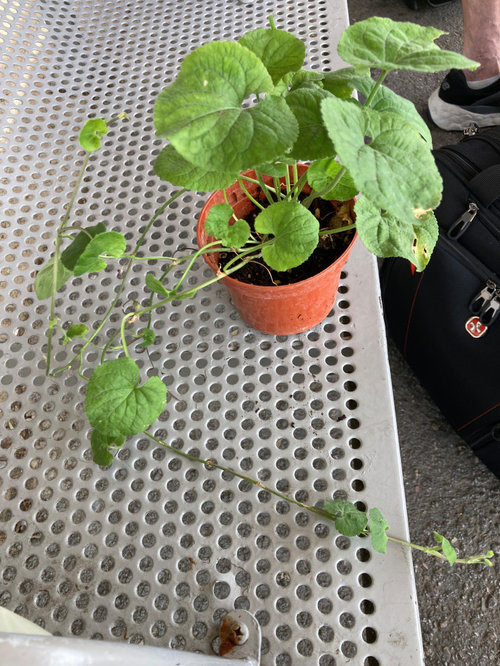
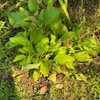
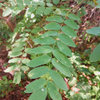
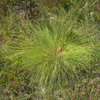
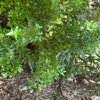
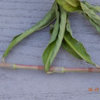
Please name this mystery plant.
3 months ago
last modified: 3 months ago
Featured Answer
Sort by:Oldest
Comments (12)
 3 months agolast modified: 3 months agologo (zone 10 a ?) thanked floral_uk z.8/9 SW UK
- 3 months ago
Related Professionals
Flint Landscape Architects & Landscape Designers · Laconia Landscape Architects & Landscape Designers · Bend Landscape Architects & Landscape Designers · Keene Landscape Contractors · Manchester Landscape Contractors · Show Low Landscape Contractors · Ogden Landscape Contractors · Salt Lake City Landscape Contractors · Wilmington Stone, Pavers & Concrete · Daytona Beach Stone, Pavers & Concrete · Morgan City Stone, Pavers & Concrete · Galveston Stone, Pavers & Concrete · Bennington Stone, Pavers & Concrete · Flagstaff Stone, Pavers & Concrete · Amherstburg Stone, Pavers & Concrete 2 months agolast modified: 2 months agologo (zone 10 a ?) thanked UpperBayGardener (zone 7)
- 2 months agolast modified: 2 months agologo (zone 10 a ?) thanked floral_uk z.8/9 SW UK
- 2 months agolast modified: 2 months agologo (zone 10 a ?) thanked UpperBayGardener (zone 7)
- 2 months ago
- 2 months agolast modified: 2 months agologo (zone 10 a ?) thanked floral_uk z.8/9 SW UK

Related Stories
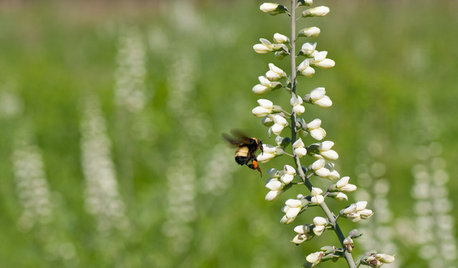
GARDENING GUIDESGreat Design Plant: Please Bumblebees by Planting Baptisia Lactea
Plant wild white indigo in central and southeastern U.S. gardens for its large white flower heads and early-spring interest
Full Story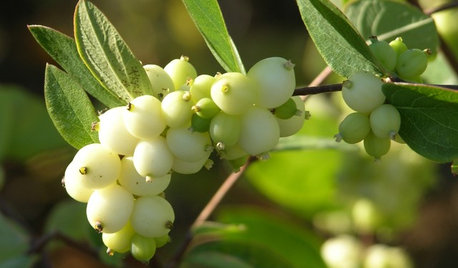
GARDENING GUIDESGreat Design Plant: Snowberry Pleases Year-Round
Bright spring foliage, pretty summer flowers, white berries in winter ... Symphoricarpos albus is a sight to behold in every season
Full Story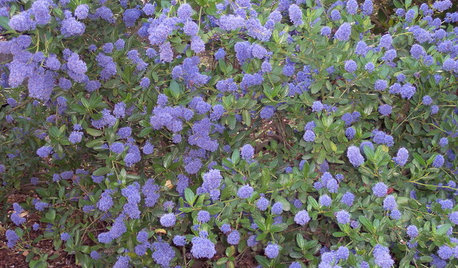
GARDENING GUIDESGreat Design Plant: Ceanothus Pleases With Nectar and Fragrant Blooms
West Coast natives: The blue flowers of drought-tolerant ceanothus draw the eye and help support local wildlife too
Full Story
GARDENING GUIDESGreat Design Plant: California Buckwheat Pleases Pollinators
Beneficial insects go wild for this drought-tolerant plant’s summer flowers, while seed heads feed critters foraging in the cold
Full Story
GARDENING GUIDESGreat Design Plant: Silphium Perfoliatum Pleases Wildlife
Cup plant provides structure, cover, food and water to help attract and sustain wildlife in the eastern North American garden
Full Story
GARDENING GUIDESPathway Plantings That Please the Senses
Add some color, life and intrigue beside your sidewalk with these 7 suggestions
Full Story
GARDENING GUIDESGreat Design Plant: Paddle Plant
If you're looking for awesomely strange foliage and low care requirements, this succulent is right up your alley
Full Story
GARDENING GUIDESInvite Mining Bees to Your Garden by Planting Their Favorite Plants
Look for mining bees (Andrena) pollinating woodland wildflowers in U.S. gardens this spring
Full Story
PLANTING IDEASGreat Garden Combo: Planting for Fiery Color and Beautiful Wildlife
Draw winged wonders while maintaining a strong design aesthetic to please human visitors to your garden year-round
Full Story
HOUSEPLANTSMother-in-Law's Tongue: Surprisingly Easy to Please
This low-maintenance, high-impact houseplant, also known as snake plant, fits in with any design
Full Story
floral_uk z.8/9 SW UK