

Annapurna Circuit Trek for First Timers
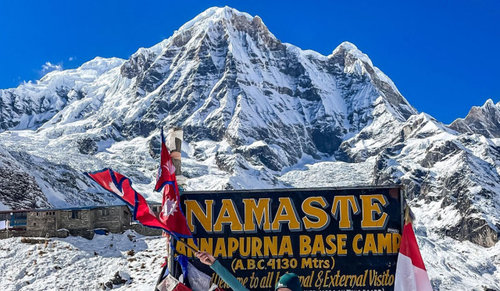
Walking the Annapornas feels different every step - this route pulls travelers into wild scenery without warning. Across Earth's quieter corners, few paths match its pull. Through pine woods dripping with mist, beside rapids carving stone, then upward where air thins and silence grows thick. Smiles greet strangers in clustered homes built on slopes too steep for machines. Mountains tower like ancient guardians, seen best when sunlight slants late in the day. New hikers find their rhythm here, even if boots slip on loose gravel now and then. Culture reveals itself slowly - in shared meals, morning chants, hands shaping flatbread. Not just walking, but moving through layers of land and life at once.
Location of the Annapurna Circuit Trek?
High up in central Nepal lies the Annapurna Circuit Trek, tucked within the protected stretch of the Annapurna Conservation Area. From modest slopes it winds upward, inching into rugged alpine heights step by step. Through spots such as Chame, Pisang, and Manang travelers move, then onward past Yak Kharka, Thorong Phedi, before touching Muktinath and finally Jomsom. Each stop breathes its own rhythm - customs differ, voices shift, life unfolds differently here. Not merely a path between peaks, but something shaped by people who live along it.
How Hard Is the Hike?
Some new trekkers wonder how tough the Annapurna Circuit really is. It's true - the journey pushes limits, yet each season brings countless newcomers who make it through without prior experience. Altitude hits hardest, particularly near Thorong La Pass, sitting among Earth’s loftiest footpaths above sea level. Moving slowly matters; so does sipping water often, while pauses between climbs let blood adapt to thinner air up high. Though steep paths twist for days, rhythm beats speed when breath grows short uphill.
When to Go
Colorful blooms pop up across the hills when spring arrives, making it one of the top times to walk the Annapurna Circuit. Clear mountain vistas open up once the monsoon rains stop, which is why many arrive during autumn. Pleasant daytime warmth helps during spring hikes, while crisp air defines the fall months. Trails turn slick and dangerous under constant downpours, common through summer’s wet stretch. High passes sometimes vanish beneath thick layers of snow as winter settles in. Because of that, freezing conditions make colder months less inviting. Most people avoid muddy paths and icy routes by choosing either late March to May or September to November instead.
Permits and Preparation
Getting into the Annapurna area means having the proper paperwork ready ahead of time. Without it, entry isn’t allowed - simple as that. Permits aren’t just rules; they keep trails clean and give back to nearby villages. Success on foot depends heavily on what you do before stepping onto the trail. Training your body by walking often builds stamina slowly. Being stronger helps when paths get steep or long. Gear matters too - a solid pair of boots can change everything underfoot. Pack layers for cold nights, a bag that fits essentials without strain, plus supplies for small injuries along the way. Each item has its role once movement begins uphill.
Food and Accommodation
What makes the Annapurna Circuit Trek stand out? The tea houses along the way. Run by families, these small stops let trekkers rest and refuel. Instead of fancy food, you get warm plates of rice, soup, bread, or potato-based meals - sometimes local recipes passed down for years. After hours on rugged trails, even simple rooms feel welcoming. Because each place is part of a home, guests often share stories with hosts while drinking butter tea near wood stoves. Meeting locals isn’t planned - it just happens between bites and quiet evenings.
The Beauty of Thorong La Pass
High above the trail, Thorong La Pass marks the peak of the Annapurna Circuit, drawing trekkers like a magnet. At the summit, pride swells - sightlines filled with endless white-capped mountains under vast skies. Horizon after horizon glows with snow-laced ridges, a vision some chase for decades. Though thin air tests strength, steady pacing and smart timing smooth the way forward. Success here comes not from speed, but quiet persistence through cold mornings and steep paths.
First Time Trekking Advice
Step by step works better than speed when you hike for the first time. Water matters a lot, so drink often along with good meals and proper sleep. Your guide knows the land - pay attention to what they say. Skip heavy loads; just pack what truly counts. A calm mind and care for nature turn long paths into something worth remembering.
Conclusion
Walking the Annapurna Circuit isn’t just about moving from point A to B. Through towering peaks, terraced fields, because of stone trails - each step tells a story. Villages appear around bends, quiet at dawn, holding centuries within their walls. Though high altitudes test the body, beginners find their rhythm when pacing slowly, breathing deep, listening closely. Reaching Thorong La feels sudden - one moment of struggle, next: silence above clouds. Faces change along the way, weathered by wind, warmed by tea shared without words. Long after boots are stored away, something remains awake inside, stirred by thin air and distant bells.
Comment


Related Professionals
Zanesville Landscape Contractors · Syracuse Landscape Contractors · Tucson Landscape Contractors · Montgomery General Contractors · Danville General Contractors · Keene General Contractors · La Crosse Landscape Contractors · Lafayette Tile and Stone Contractors · Glenwood Springs Tile and Stone Contractors · Hannibal Landscape Architects & Landscape Designers · Lawrenceburg Landscape Contractors · Oxford Home Builders · Madison Home Builders · Tucson Home Builders · Provo Home Builders