Software
Houzz Logo Print
deighpa

granite vs laminate

12 years ago
last modified: 12 years ago
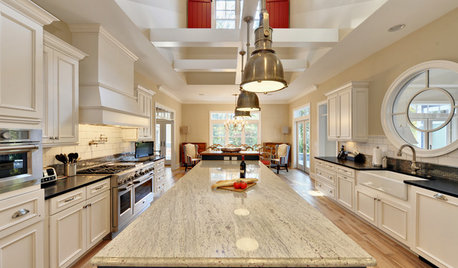
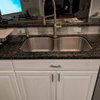
I 'am considering using granite on my kitchen island, my island will also be used as kitchen table. I have read articles on granite and some people say that it is too cold and hard if used as a kitchen table. Any comments would be helpful.

Comments (12)

  • 12 years ago
    I have an absolute black granite topped table in my kitchen nook...it's perfect for meals and supports so many other activities.
    deighpa thanked dclostboy
  • 12 years ago
    I would recommend having placemats at your seating locations. Granite tends to cool down food quickly if placed directly on the counter, even if it's on a plate or in a bowl. Other than that, I would totally go for it! I love my granite!
    deighpa thanked Jason Streck
  • 12 years ago
    I have a granite island with stools and a kitchen table with very comfort angle chairs. Most people end up at the island. Think of all those marble bistro tables.
    deighpa thanked saratogaswizzlestick
  • 12 years ago
    granite > laminate
    might be a bit colder but you get so much more value with granite! and looks 10x better
    deighpa thanked intelinside1
  • 12 years ago
    You might consider Caesarstone. Just as gorgeous as granite but with none of the health and care issues.
    deighpa thanked Another Thyme
  • 12 years ago
    Thyme what health concerns are there with granite??
  • 12 years ago
    When friends of ours were designing the kitchen in their new home they wanted granite. However Mike Holmes said that radon is a problem with granite countertops and that concerned them.
    deighpa thanked Another Thyme
  • 12 years ago
    based on this resource it doesn't look like radon in granite is very high though http://www.radon.com/radon/granite.html
    deighpa thanked intelinside1
  • PRO
    12 years ago
    @another thyme please advise on granite healt concerns.....
  • PRO
    12 years ago
    After washing and rinsing, the granite tops provided the greatest reduction in bacteria counts of all the countertop materials tested:

    Granite
    Stainless Steel
    Concrete
    Tile
    Wood
    Plastic Laminate
    Couple of myths on granite, that gets set straight.
    1.
    Granite is absorbent. Granite qualifies as impervious to water and is actually less absorbent than some solid surface (plastic) products. Granite is commonly used as building material for high-rise buildings due to its ability to withstand gale force winds and rain.
    2.
    Granite stains easily. Granite is resistant to stains. Generally, any liquid spilled on a granite top, if wiped up within a few minutes, will not stain. However, even water can soak into a granite countertop and leave a dark colored spot but this will evaporate in minutes. Liquids that do not evaporate, such as oils will cause stains if left to soak into the stone.
    3.
    Stains in granite are permanent. Most stains can be removed. Even oil stains can usually be removed using a poultice or paste that will draw out the oil from the stone.
    4.
    Granite will lose its polish over the years. While this may be true of marble, granite will shine years from now just as if it was brand new. Granite is highly scratch resistant and will not show wear from daily use.
    5.
    Granite requires a lot of maintenance. Routine cleaning with mild soap and water is all that is generally required.
    6.
    Heat will cause granite to chip and crack. Granite is heat resistant and can withstand the heat of hot pots and pans without damage. Impact from a heavy object may chip granite but heat from anything short of a blowtorch will not affect your countertop.
    7.
    Granite is heavy. At 16 pounds per square foot (3cm) and the average kitchen having 65 square feet of countertop space, a kitchen full of granite would weigh over 1,000 pounds. That’s why we do the installation for you.
    8.
    Granite’s tiny pores and fissures harbor bacteria. Bacteria are found everywhere. If it is on a granite top, then it can also be found on a laminate or solid surface top. Use an anti-bacterial soap to wash your countertop if you are concerned.
    9.
    Granite and marble are essentially the same. Besides the fact that they are both natural stones and can be polished, they are otherwise very different. Marble is generally a calcius stone, formed from oceanic deposits and then compressed under pressure (metamorphosed). Granite, however, is an igneous rock, essentially molten magma, which is cooled and then hardened below the earth’s surface.
    10.
    Granite is expensive. Granite is usually competitively priced compared to other high-end surfacing materials. You will be amazed when you compare the price of granite to other popularly famed “luxury surfaces”. Granite offers you an unmatched value with its natural beauty, elegance and longevity.

    Radon
    Since granite is generally not very porous, less radon is likely to escape from it than from a more porous stone such as sandstone. It’s important to know that radon originating in the soil beneath homes is a more common problem and a far larger public health risk than radon from granite building materials. Also, any radon from granite countertops in kitchens or bathrooms is likely to be diluted in the typical home since those rooms are usually well ventilated.

    In addition to radon, the other natural radioactive material in the granite can emit radiation. However, it is extremely unlikely that granite countertops in homes could increase the radiation dose above that the normal, natural background dose that comes from soil and rocks.
  • 12 years ago
    Excellent post Precision granite and marble.