

design for backyard bird station
12 years ago
Sort by:Oldest
Comments (2)
Related Stories
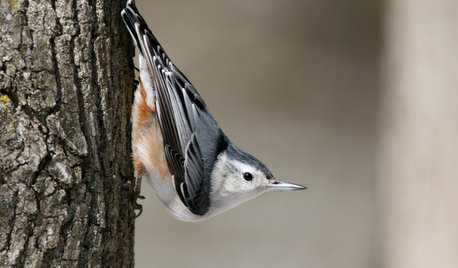
GARDENING FOR BIRDSBackyard Birds: Those Nutty Nuthatches
The North American songbirds, which often perch upside down, make themselves known in the winter landscape
Full Story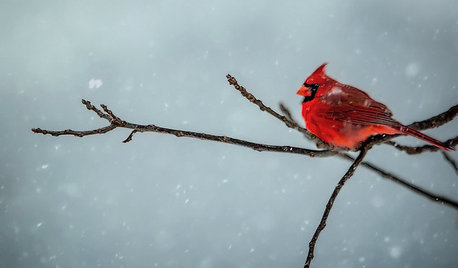
GARDENING GUIDESBackyard Birds: Northern Cardinals in the Snow, and Other Red Birds
Brilliant crimson feathers make these friends stand out in a crowd
Full Story
LIFEYou Said It: ‘The Birds Will Thank You’ and More Houzz Quotables
Design advice, inspiration and observations that struck a chord this week
Full Story
EARTH DAYHow to Help Your Town’s Beneficial Birds and Bugs
Make a habitat using local materials to provide a home to the creatures that help our gardens
Full Story
GARDENING FOR BIRDSWild Birds Transform a Woman’s Garden and Life
How Sharon Sorenson created a wildlife haven and became the Bird Lady of Southern Indiana
Full Story
GARDENING FOR BUTTERFLIESGreat Design Plant: Red Bird-of-Paradise Soars With Color
Fiery bursts of red-orange flowers bring hot summer gardens to life, while this shrub's drought tolerance keeps the living easy
Full Story
GARDENING AND LANDSCAPINGDesign Details: Outdoor Decor for the Birds
Feeders, Houses and Baths for Our Feathered Friends
Full Story
GARDENING GUIDESBackyard Birds: Create a Home for American Kestrels
These copper-colored birds of prey can be found throughout North and South America and often find habitats near human activity
Full Story
GARDENING FOR BIRDSBackyard Birds: Meet Some Clever and Curious Jays
Boisterous jays provide plenty of backyard bird-watching in winter. Here’s how to identify all the varieties and welcome them into your yard
Full Story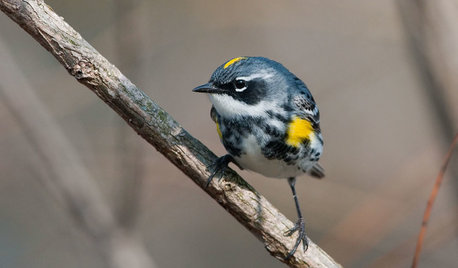
GARDENING GUIDESBackyard Birds: The Wonder of Warblers
These small, dynamic birds call North America home, with the yellow-rumped warbler flocking to every U.S. state
Full Story
Cyndy
tchodhrOriginal Author
Related Professionals
Fayetteville Bathroom Remodelers · Owensboro Bathroom Remodelers · Asheville Bathroom Remodelers · Ardmore Bathroom Remodelers · Murrieta Bathroom Remodelers · Farmington Bathroom Remodelers · Lawrence General Contractors · Del Rio General Contractors · Eureka General Contractors · Birmingham Interior Designers & Decorators · Valdosta Interior Designers & Decorators · Hopkinsville Interior Designers & Decorators · Middlesboro Interior Designers & Decorators · Burlington Interior Designers & Decorators · San Angelo Interior Designers & Decorators