
Search results for "Address environmental" in Home Design Ideas
 User
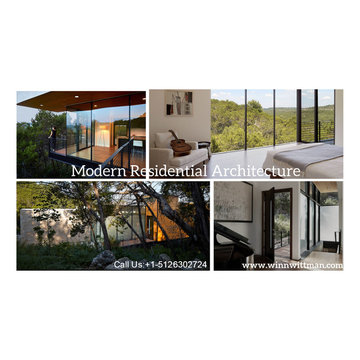
UserWhen coming up with a dream project, people expect that their architects are Capable to understand and comprehend their needs correctly. Winnwittman a Contemporary Architect of Austin can offer unique yet environmentally friendly Sustainable designs to their clients. He wins several awards for their Contemporary Home Designs
we present his portfolio at www.winnwittman.com/
For More Contact Details
Name: Winnwittman Architecture
Address: Site 110-488, Austin, 78701, United States
Phone: +1-5126302724
Email:info@winnwittman.com
Website: http://www.winnwittman.com/

 User
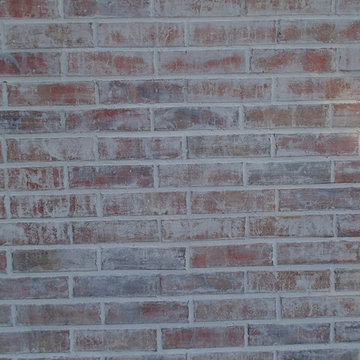
UserThis is an organic Lime Wash done with a true lime wash product as opposed to a brick mortar or concrete that is often seen on new houses. This product can be applied as a solid coating making the surface completely white, or can be applied and "washed off" in many artistic ways, as seen here. If you hate your brick or just want something unique this is a great option!
Photo credit: Jeff Murrey
Find the right local pro for your project
 Modern House Numbers
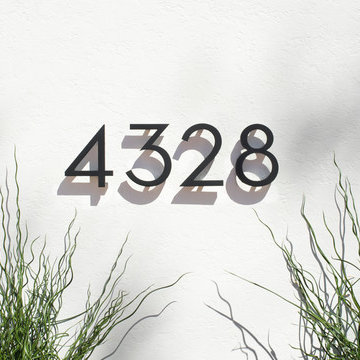
4" Palm Springs Black Powder Coated Modern House Numbers
(modernhousenumbers.com)
available in 4", 6", 8", 12" or 15" high. aluminum numbers are 3/8" thick, brushed finish with matte powder coat finish and a 1/2" standoff providing a subtle shadow.
 Tag & Associates, LLC
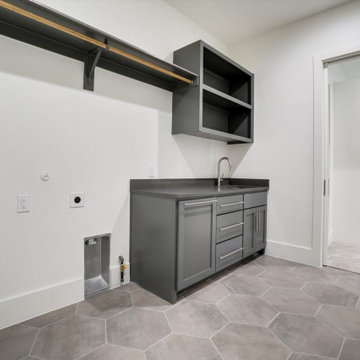
Laundry rooms are becoming multifunctional spaces, blending utility with aesthetics. Smart technology is integrating into machines, making washing more efficient and environmentally friendly. As homes shrink in urban areas, optimizing space is crucial; hence, stackable units and foldable workstations are on the rise. Sustainable materials are favored, addressing environmental concerns. Designing for accessibility, accommodating different abilities and ages, is essential, ensuring everyone can navigate the space with ease.
 Tag & Associates, LLC
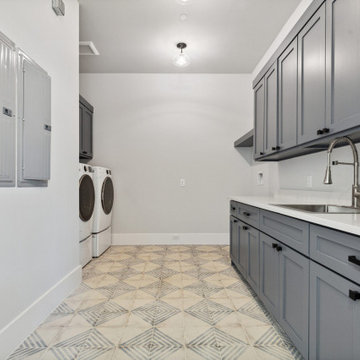
Laundry rooms are becoming multifunctional spaces, blending utility with aesthetics. Smart technology is integrating into machines, making washing more efficient and environmentally friendly. As homes shrink in urban areas, optimizing space is crucial; hence, stackable units and foldable workstations are on the rise. Sustainable materials are favored, addressing environmental concerns. Designing for accessibility, accommodating different abilities and ages, is essential, ensuring everyone can navigate the space with ease.
 Tag & Associates, LLC
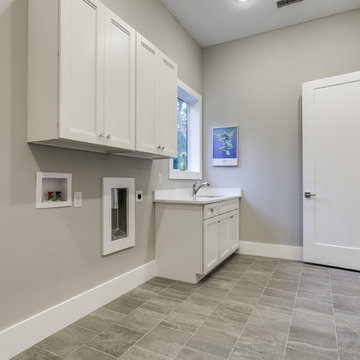
Laundry rooms are becoming multifunctional spaces, blending utility with aesthetics. Smart technology is integrating into machines, making washing more efficient and environmentally friendly. As homes shrink in urban areas, optimizing space is crucial; hence, stackable units and foldable workstations are on the rise. Sustainable materials are favored, addressing environmental concerns. Designing for accessibility, accommodating different abilities and ages, is essential, ensuring everyone can navigate the space with ease.
 FINNE Architects
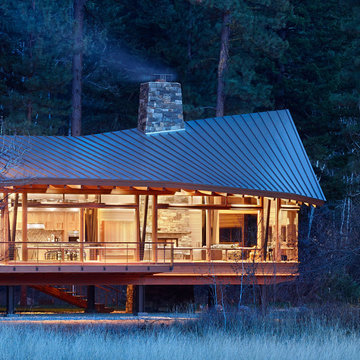
The Mazama house is located in the Methow Valley of Washington State, a secluded mountain valley on the eastern edge of the North Cascades, about 200 miles northeast of Seattle.
The house has been carefully placed in a copse of trees at the easterly end of a large meadow. Two major building volumes indicate the house organization. A grounded 2-story bedroom wing anchors a raised living pavilion that is lifted off the ground by a series of exposed steel columns. Seen from the access road, the large meadow in front of the house continues right under the main living space, making the living pavilion into a kind of bridge structure spanning over the meadow grass, with the house touching the ground lightly on six steel columns. The raised floor level provides enhanced views as well as keeping the main living level well above the 3-4 feet of winter snow accumulation that is typical for the upper Methow Valley.
To further emphasize the idea of lightness, the exposed wood structure of the living pavilion roof changes pitch along its length, so the roof warps upward at each end. The interior exposed wood beams appear like an unfolding fan as the roof pitch changes. The main interior bearing columns are steel with a tapered “V”-shape, recalling the lightness of a dancer.
The house reflects the continuing FINNE investigation into the idea of crafted modernism, with cast bronze inserts at the front door, variegated laser-cut steel railing panels, a curvilinear cast-glass kitchen counter, waterjet-cut aluminum light fixtures, and many custom furniture pieces. The house interior has been designed to be completely integral with the exterior. The living pavilion contains more than twelve pieces of custom furniture and lighting, creating a totality of the designed environment that recalls the idea of Gesamtkunstverk, as seen in the work of Josef Hoffman and the Viennese Secessionist movement in the early 20th century.
The house has been designed from the start as a sustainable structure, with 40% higher insulation values than required by code, radiant concrete slab heating, efficient natural ventilation, large amounts of natural lighting, water-conserving plumbing fixtures, and locally sourced materials. Windows have high-performance LowE insulated glazing and are equipped with concealed shades. A radiant hydronic heat system with exposed concrete floors allows lower operating temperatures and higher occupant comfort levels. The concrete slabs conserve heat and provide great warmth and comfort for the feet.
Deep roof overhangs, built-in shades and high operating clerestory windows are used to reduce heat gain in summer months. During the winter, the lower sun angle is able to penetrate into living spaces and passively warm the exposed concrete floor. Low VOC paints and stains have been used throughout the house. The high level of craft evident in the house reflects another key principle of sustainable design: build it well and make it last for many years!
Photo by Benjamin Benschneider
 Distinctive Landscaping
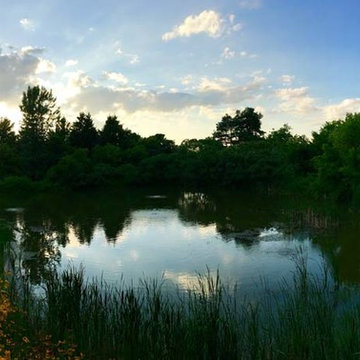
In this project, our clients purchased an existing restaurant fraught with stormwater management issues on the property. Runoff from an adjacent state highway and parking lot regularly flooded the kitchen. Additionally, a man-made pond on the property had become a problematic breeding ground for mosquitos that virtually prohibited outdoor dining during the summer. Both challenges restricted the restaurant from operating at its fullest potential. Our design/build team’s goals were to address the water runoff and mosquito issues using environmentally and financially sustainable practices. Lowering the grades around the building and parking, we were able to direct the runoff into a dry streambed enriched with water-worn cobbles and river stones and planted banks. We addressed the mosquito problem by increasing the pond’s depth, adding an aeration system, and planting the banks with wildflowers. By raising the outdoor dining, guests now overlook the pond and pleasing landscape. Natural breezes at this higher level help alleviate mosquitosl.
 Casa de Tierra
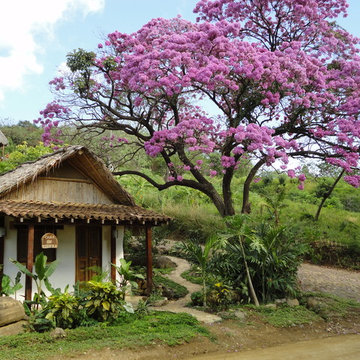
Our pioneer project, Casita de Tierra in San Juan del Sur, Nicaragua, showcases the natural building techniques of a rubble trench foundation, earthbag construction, natural plasters, earthen floors, and a composting toilet.
Our earthbag wall system consists of locally available, cost-efficient, polypropylene bags that are filled with a formula of clay and aggregate unearthed from our building site. The bags are stacked like bricks in running bonds, which are strengthened by courses of barbed wire laid between each row, and tamped into place. The walls are then plastered with a mix composed of clay, sand, soil and straw, and are followed by gypsum and lime renders to create attractive walls.
The casita exhibits a load-bearing wall system demonstrating that thick earthen walls, with no rebar or cement, can support a roofing structure. We, also, installed earthen floors, created an indoor dry-composting toilet system, utilized local woods for the furniture, routed all grey water to the outdoor garden, and maximized air flow by including cross-ventilating screened windows below the natural palm frond and cane roof.
Casita de Tierra exemplifies an economically efficient, structurally sound, aesthetically pleasing, environmentally kind, and socially responsible home.
 Distinctive Landscaping
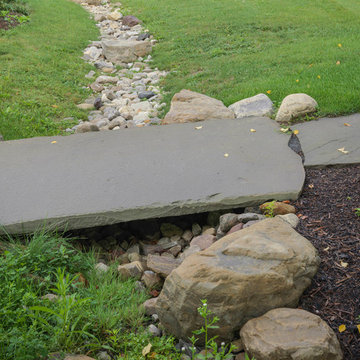
In this project, our clients purchased an existing restaurant fraught with stormwater management issues on the property. Runoff from an adjacent state highway and parking lot regularly flooded the kitchen. Additionally, a man-made pond on the property had become a problematic breeding ground for mosquitos that virtually prohibited outdoor dining during the summer. Both challenges restricted the restaurant from operating at its fullest potential. Our design/build team’s goals were to address the water runoff and mosquito issues using environmentally and financially sustainable practices. Lowering the grades around the building and parking, we were able to direct the runoff into a dry streambed enriched with water-worn cobbles and river stones and planted banks. We addressed the mosquito problem by increasing the pond’s depth, adding an aeration system, and planting the banks with wildflowers. By raising the outdoor dining, guests now overlook the pond and pleasing landscape. Natural breezes at this higher level help alleviate mosquitosl.
 Distinctive Landscaping
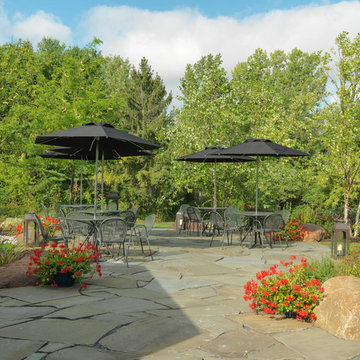
In this project, our clients purchased an existing restaurant fraught with stormwater management issues on the property. Runoff from an adjacent state highway and parking lot regularly flooded the kitchen. Additionally, a man-made pond on the property had become a problematic breeding ground for mosquitos that virtually prohibited outdoor dining during the summer. Both challenges restricted the restaurant from operating at its fullest potential. Our design/build team’s goals were to address the water runoff and mosquito issues using environmentally and financially sustainable practices. Lowering the grades around the building and parking, we were able to direct the runoff into a dry streambed enriched with water-worn cobbles and river stones and planted banks. We addressed the mosquito problem by increasing the pond’s depth, adding an aeration system, and planting the banks with wildflowers. By raising the outdoor dining, guests now overlook the pond and pleasing landscape. Natural breezes at this higher level help alleviate mosquitosl.
 Distinctive Landscaping
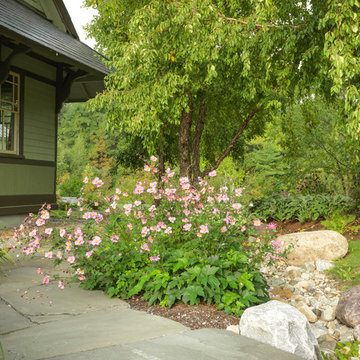
In this project, our clients purchased an existing restaurant fraught with stormwater management issues on the property. Runoff from an adjacent state highway and parking lot regularly flooded the kitchen. Additionally, a man-made pond on the property had become a problematic breeding ground for mosquitos that virtually prohibited outdoor dining during the summer. Both challenges restricted the restaurant from operating at its fullest potential. Our design/build team’s goals were to address the water runoff and mosquito issues using environmentally and financially sustainable practices. Lowering the grades around the building and parking, we were able to direct the runoff into a dry streambed enriched with water-worn cobbles and river stones and planted banks. We addressed the mosquito problem by increasing the pond’s depth, adding an aeration system, and planting the banks with wildflowers. By raising the outdoor dining, guests now overlook the pond and pleasing landscape. Natural breezes at this higher level help alleviate mosquitosl.
 Distinctive Landscaping
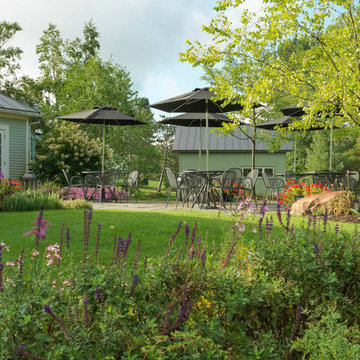
In this project, our clients purchased an existing restaurant fraught with stormwater management issues on the property. Runoff from an adjacent state highway and parking lot regularly flooded the kitchen. Additionally, a man-made pond on the property had become a problematic breeding ground for mosquitos that virtually prohibited outdoor dining during the summer. Both challenges restricted the restaurant from operating at its fullest potential. Our design/build team’s goals were to address the water runoff and mosquito issues using environmentally and financially sustainable practices. Lowering the grades around the building and parking, we were able to direct the runoff into a dry streambed enriched with water-worn cobbles and river stones and planted banks. We addressed the mosquito problem by increasing the pond’s depth, adding an aeration system, and planting the banks with wildflowers. By raising the outdoor dining, guests now overlook the pond and pleasing landscape. Natural breezes at this higher level help alleviate mosquitosl.
 Distinctive Landscaping
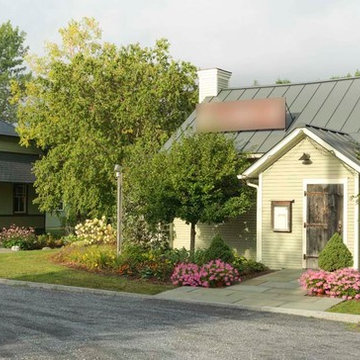
In this project, our clients purchased an existing restaurant fraught with stormwater management issues on the property. Runoff from an adjacent state highway and parking lot regularly flooded the kitchen. Additionally, a man-made pond on the property had become a problematic breeding ground for mosquitos that virtually prohibited outdoor dining during the summer. Both challenges restricted the restaurant from operating at its fullest potential. Our design/build team’s goals were to address the water runoff and mosquito issues using environmentally and financially sustainable practices. Lowering the grades around the building and parking, we were able to direct the runoff into a dry streambed enriched with water-worn cobbles and river stones and planted banks. We addressed the mosquito problem by increasing the pond’s depth, adding an aeration system, and planting the banks with wildflowers. By raising the outdoor dining, guests now overlook the pond and pleasing landscape. Natural breezes at this higher level help alleviate mosquitosl.
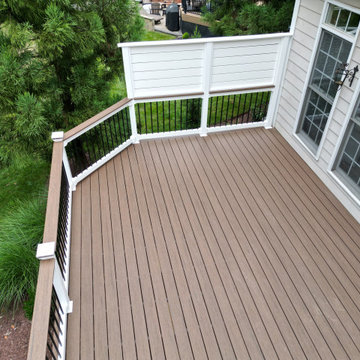
 Velero Deck Designs
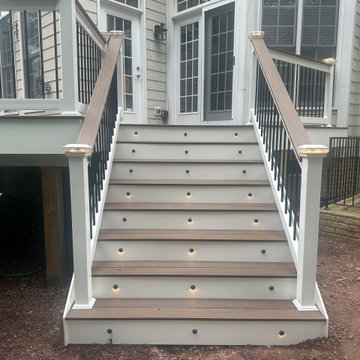
This project was all about resurfacing an existing deck, which provides a significant amount of benefits, including:
- Enhanced Aesthetics: A deck resurfacing project can transform the appearance of the deck, giving it a fresh and modern look that can significantly improve the curb appeal of the entire home.
- Cost Savings: Resurfacing is often more cost-effective than completely rebuilding a deck. It allows homeowners to achieve a like-new appearance without the expense of a full replacement.
- Increased Durability: New materials used in resurfacing are designed to be more resistant to wear, fading, and the elements, resulting in a longer lifespan for the deck.
- Improved Safety: Addressing structural issues during the resurfacing process ensures the deck's safety and stability, reducing the risk of accidents.
- Less Disruption: Compared to a full deck replacement, resurfacing typically involves less disruption to the homeowner's daily routine, as it's a faster and less invasive process.
- Customization: Homeowners can choose from a wide range of materials, colors, and finishes to match their design preferences and complement their home's style.
- Environmentally Friendly: Resurfacing reduces the amount of old material that needs to be disposed of, making it a more environmentally conscious option.
By undertaking a deck resurfacing project, homeowners can rejuvenate their outdoor space, enjoy a beautiful and functional deck for years to come and increase the overall value of their property.
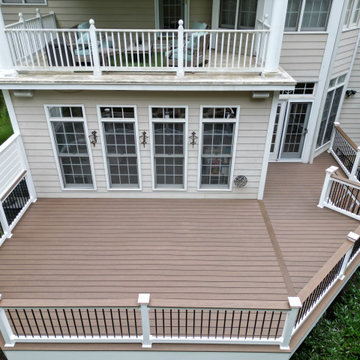
 Velero Deck Designs
This project was all about resurfacing an existing deck, which provides a significant amount of benefits, including:
- Enhanced Aesthetics: A deck resurfacing project can transform the appearance of the deck, giving it a fresh and modern look that can significantly improve the curb appeal of the entire home.
- Cost Savings: Resurfacing is often more cost-effective than completely rebuilding a deck. It allows homeowners to achieve a like-new appearance without the expense of a full replacement.
- Increased Durability: New materials used in resurfacing are designed to be more resistant to wear, fading, and the elements, resulting in a longer lifespan for the deck.
- Improved Safety: Addressing structural issues during the resurfacing process ensures the deck's safety and stability, reducing the risk of accidents.
- Less Disruption: Compared to a full deck replacement, resurfacing typically involves less disruption to the homeowner's daily routine, as it's a faster and less invasive process.
- Customization: Homeowners can choose from a wide range of materials, colors, and finishes to match their design preferences and complement their home's style.
- Environmentally Friendly: Resurfacing reduces the amount of old material that needs to be disposed of, making it a more environmentally conscious option.
By undertaking a deck resurfacing project, homeowners can rejuvenate their outdoor space, enjoy a beautiful and functional deck for years to come and increase the overall value of their property.
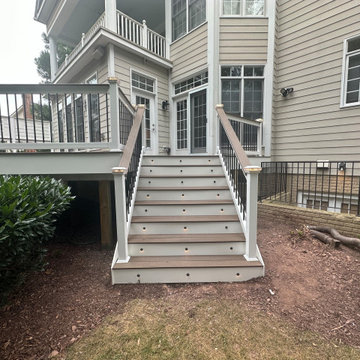
 Velero Deck Designs
This project was all about resurfacing an existing deck, which provides a significant amount of benefits, including:
- Enhanced Aesthetics: A deck resurfacing project can transform the appearance of the deck, giving it a fresh and modern look that can significantly improve the curb appeal of the entire home.
- Cost Savings: Resurfacing is often more cost-effective than completely rebuilding a deck. It allows homeowners to achieve a like-new appearance without the expense of a full replacement.
- Increased Durability: New materials used in resurfacing are designed to be more resistant to wear, fading, and the elements, resulting in a longer lifespan for the deck.
- Improved Safety: Addressing structural issues during the resurfacing process ensures the deck's safety and stability, reducing the risk of accidents.
- Less Disruption: Compared to a full deck replacement, resurfacing typically involves less disruption to the homeowner's daily routine, as it's a faster and less invasive process.
- Customization: Homeowners can choose from a wide range of materials, colors, and finishes to match their design preferences and complement their home's style.
- Environmentally Friendly: Resurfacing reduces the amount of old material that needs to be disposed of, making it a more environmentally conscious option.
By undertaking a deck resurfacing project, homeowners can rejuvenate their outdoor space, enjoy a beautiful and functional deck for years to come and increase the overall value of their property.
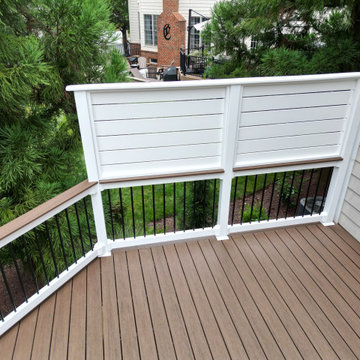
 Velero Deck Designs
This project was all about resurfacing an existing deck, which provides a significant amount of benefits, including:
- Enhanced Aesthetics: A deck resurfacing project can transform the appearance of the deck, giving it a fresh and modern look that can significantly improve the curb appeal of the entire home.
- Cost Savings: Resurfacing is often more cost-effective than completely rebuilding a deck. It allows homeowners to achieve a like-new appearance without the expense of a full replacement.
- Increased Durability: New materials used in resurfacing are designed to be more resistant to wear, fading, and the elements, resulting in a longer lifespan for the deck.
- Improved Safety: Addressing structural issues during the resurfacing process ensures the deck's safety and stability, reducing the risk of accidents.
- Less Disruption: Compared to a full deck replacement, resurfacing typically involves less disruption to the homeowner's daily routine, as it's a faster and less invasive process.
- Customization: Homeowners can choose from a wide range of materials, colors, and finishes to match their design preferences and complement their home's style.
- Environmentally Friendly: Resurfacing reduces the amount of old material that needs to be disposed of, making it a more environmentally conscious option.
By undertaking a deck resurfacing project, homeowners can rejuvenate their outdoor space, enjoy a beautiful and functional deck for years to come and increase the overall value of their property.
 Velero Deck Designs
This project was all about resurfacing an existing deck, which provides a significant amount of benefits, including:
- Enhanced Aesthetics: A deck resurfacing project can transform the appearance of the deck, giving it a fresh and modern look that can significantly improve the curb appeal of the entire home.
- Cost Savings: Resurfacing is often more cost-effective than completely rebuilding a deck. It allows homeowners to achieve a like-new appearance without the expense of a full replacement.
- Increased Durability: New materials used in resurfacing are designed to be more resistant to wear, fading, and the elements, resulting in a longer lifespan for the deck.
- Improved Safety: Addressing structural issues during the resurfacing process ensures the deck's safety and stability, reducing the risk of accidents.
- Less Disruption: Compared to a full deck replacement, resurfacing typically involves less disruption to the homeowner's daily routine, as it's a faster and less invasive process.
- Customization: Homeowners can choose from a wide range of materials, colors, and finishes to match their design preferences and complement their home's style.
- Environmentally Friendly: Resurfacing reduces the amount of old material that needs to be disposed of, making it a more environmentally conscious option.
By undertaking a deck resurfacing project, homeowners can rejuvenate their outdoor space, enjoy a beautiful and functional deck for years to come and increase the overall value of their property.
2