
Search results for "Article isn" in Home Design Ideas
 tahir mahmood Khan
Personalization is no longer just a design trend—it has become an essential part of creating spaces that truly feel like home. Our homes are much more than places where we live; they are reflections of our personalities, our values, and the memories we hold dear. Personalization allows homeowners to go beyond surface-level aesthetics and bring their unique stories to life through thoughtful design choices.
From one-of-a-kind decor to custom furniture, there are countless ways to make a space uniquely yours. This article explores the transformative power of personalization in home design, offering creative ideas and strategies to ensure your home feels as special as the people who live in it. By incorporating meaningful elements, sentimental keepsakes, and designs tailored to your lifestyle, you can create a home that speaks to your heart while remaining both functional and beautiful.
Why Personalization Is Transforming Home Design
Personalization in home design is a powerful trend that’s shaping how we live. It’s about more than just creating a stylish space—it’s about creating an emotional connection to your environment. Here’s why it matters:
Emotional Resonance: Personal touches make your home feel like a sanctuary. Items that carry sentimental value, such as family heirlooms or custom-made pieces, evoke memories and create a sense of belonging.
Individuality: Your home is a reflection of your personality. Personalization allows you to infuse your style into every corner, ensuring your space doesn’t look like a copy of someone else’s.
Functionality with Meaning: Customized furniture or decor isn’t just beautiful—it’s practical. Personalized design ensures every piece serves your specific needs while adding character to your home.
How to Add Personal Touches to Your Home Design
1. Customized Furniture and Decor
Investing in bespoke pieces is one of the best ways to personalize your home. Whether it’s a hand-carved coffee table or custom shelving designed to fit your space, tailored furniture adds both functionality and uniqueness.
Ideas for Customized Furniture:
A dining table engraved with a special date or family name.
Built-in bookshelves designed to fit your exact collection of novels and treasures.
Upholstered chairs or couches in fabrics that reflect your style and preferences.
For decor, consider smaller but impactful personalized items. For instance, displaying a meaningful keepsake, like a shadow box featuring a personalized necklace, can add an intimate touch to any room.
2. Symbolic Design Elements
Incorporating symbols that resonate with you is a thoughtful way to personalize your space. Items inspired by spiritual or cultural symbols, such as angel numbers, can serve as both decor and a reminder of values or goals that matter to you.
Examples of Symbolic Decor:
Wall art or prints featuring numbers, quotes, or patterns that hold personal significance.
Sculptures or figurines that represent qualities like protection, growth, or harmony.
Patterned rugs or textiles that subtly include symbols tied to your family’s history or beliefs.
3. Displaying Sentimental Items
A personalized home thrives on nostalgia and sentimentality. Displaying cherished keepsakes and mementos is a wonderful way to bring life and meaning into your space.
Ideas for Sentimental Displays:
Memory Galleries:
Create a gallery wall filled with family photos, travel souvenirs, and sentimental artwork.
Mix and match frames to add visual interest while showcasing your memories.
Functional Keepsakes:
Repurpose sentimental items into practical decor. For example, a gift for dad, such as a custom clock or framed photo, can double as both a functional and meaningful addition to your space.
Incorporate small family treasures, like vintage jewelry or heirlooms, into your decor.
Feature Pieces:
Highlight unique items in shadow boxes, such as wedding keepsakes, old letters, or jewelry. These displays turn your memories into a focal point of the room.
4. Personalized Artwork and Accessories
Custom artwork is one of the easiest ways to add a personal touch to your home. Whether it’s commissioning a piece or creating something yourself, personalized art instantly elevates a space.
Custom Art Ideas:
A commissioned painting of your family home, wedding venue, or favorite landscape.
Abstract art featuring colors or symbols that are meaningful to you.
Name plaques, monograms, or custom wall hangings.
Incorporating personalized accessories like cushions, throws, or coasters featuring family names or initials is another subtle yet effective way to customize your decor.
5. Seasonal Personalization
Switching up decor seasonally offers a great opportunity to incorporate personal touches. For example:
Display holiday-themed photos, such as a family portrait from last year’s festivities.
Rotate sentimental items based on the time of year, such as a fall centerpiece with family heirloom candlesticks.
Incorporate handmade seasonal crafts created with family members, making the decor feel both personal and festive.
Incorporating Personalization Into Outdoor Spaces
Personalization doesn’t stop at your front door. Outdoor spaces, like patios, gardens, and porches, offer plenty of opportunities for customization.
Ideas for Personalizing Outdoor Areas:
Custom Signs: Add a handmade welcome sign or a plaque with your family name to the front of your house.
Engraved Furniture: Outdoor benches or tables engraved with meaningful quotes or dates can create an intimate touch.
Garden Markers: Personalized garden markers or stepping stones with family names or inspirational words can make your garden truly yours.
Personalizing your home is not just about aesthetics; it’s about creating an environment that feels deeply connected to you and your loved ones. Every item, color, and design element can carry a piece of your story. In this section, we’ll dive deeper into actionable ideas for personalizing your living spaces, transforming them into meaningful reflections of your life.
6. Layering Sentimental Textiles and Accessories
Textiles such as rugs, curtains, and throw pillows are an excellent way to infuse personality into your home without a full-scale renovation. Opt for customized or sentimental fabrics that tie in your personal story.
Ideas for Textiles That Add Meaning
Custom Monogrammed Pillows
Add initials, family names, or even special dates to throw pillows for your living room or bedroom.
Memory Quilts
Use pieces of fabric from meaningful items, like old clothes or wedding attire, to create a quilt that tells a story.
Personalized Rugs
Consider a custom rug with patterns or symbols that resonate with your family’s heritage or values.
Incorporating textiles that tell a story not only makes your home feel cozier but also serves as a subtle reminder of cherished memories.
7. Meaningful Gifts as Decor
Some of the most cherished items in a home are gifts from loved ones. These pieces carry stories and emotional weight, making them perfect for display as decor.
For example, a gift for dad, such as a custom leather-bound journal or engraved keepsake, can be displayed in a home office or study. These items become part of the space’s character while celebrating the bond shared with a loved one.
Tips for Displaying Gifted Items:
Use bookshelves or mantels to showcase sentimental gifts alongside other decor elements.
Pair gifted items with complementary pieces, such as family photos or artwork, to create cohesive displays.
8. Personalized Storage Solutions
Functional spaces can also benefit from personalization. Custom storage solutions allow you to stay organized while reflecting your style and needs.
Ideas for Personalized Storage
Engraved Wooden Crates: Use crates with engraved names or labels for stylish, functional storage in living rooms or children’s play areas.
Custom Closet Systems: Design closets with features like jewelry drawers, tie racks, or shoe compartments tailored to your specific collection.
Sentimental Storage Bins: Store seasonal decorations, keepsakes, or family mementos in decorative bins labeled with meaningful phrases or designs.
By blending practicality and personalization, you can create spaces that are as functional as they are beautiful.
9. Creative Personalization for Kids’ Rooms
Children’s rooms are ideal spaces for playful and meaningful personalization. From custom artwork to interactive elements, you can design a room that reflects their personality while creating an inspiring space for them to grow.
Ideas for Kids’ Room Personalization
Name Signs and Wall Art: Incorporate their name in decorative signage or framed artwork to make their space uniquely theirs.
Growth Charts with Memories: Add personalized growth charts where you can mark milestones and attach small mementos.
Interactive Decor: Create activity walls featuring chalkboards, corkboards, or magnetic surfaces where kids can express their creativity.
These personal touches turn their rooms into a space that grows with them, capturing memories along the way.
10. Blending Modern Trends with Personalized Touches
If you’re drawn to modern design trends, you can still incorporate personalization without losing that sleek, contemporary feel. Here’s how:
Tips for a Modern Yet Personalized Space
Minimalist Monograms: Add subtle, elegant initials or symbols to decor pieces like vases, linens, or art prints.
Statement Lighting: Choose pendant lights or chandeliers with a customized design or engraving to reflect your style.
Neutral Colors with Personal Accents: Keep the base color palette neutral, but incorporate personal elements like family photos in modern frames or sentimental objects displayed in chic shadow boxes.
This approach ensures your home stays trendy while retaining meaningful personal elements.
11. Technology Meets Personalization
Technology can also play a role in making your home feel more personal. Smart home systems and digital tools can be customized to fit your preferences and lifestyle.
Ideas for Personalized Tech
Customized Smart Displays: Use smart screens to display rotating family photos or personal artwork.
Smart Lighting Scenes: Set up lighting presets for different moods, such as a cozy evening scene that highlights your favorite decor.
Voice-Activated Reminders: Program smart assistants to remind you of family birthdays, anniversaries, or even daily affirmations.
By integrating personalized technology, your home becomes both functional and deeply connected to your needs.
12. Seasonal Rotations with a Personal Touch
Personalization doesn’t have to be permanent. Changing up your decor with the seasons is a wonderful way to keep your home feeling fresh while adding meaningful elements.
Ideas for Seasonal Personalization
Holiday Decor with Family Themes: Create personalized ornaments, stockings, or wreaths that highlight your family’s story.
Seasonal Photo Swaps: Rotate family photos to reflect seasonal activities or vacations.
Custom Table Settings: Design table linens, centerpieces, or napkin rings featuring symbols or colors that are meaningful to your family.
Seasonal personalization allows you to constantly renew the look and feel of your space while keeping it tied to your personal story.
Turning a House Into Your Sanctuary
Personalization in home design is about more than creating a visually appealing space—it’s about creating a home that reflects your life, values, and memories. Every detail, from the textiles you choose to the sentimental items you display, adds a layer of meaning that makes your house truly yours.
By incorporating elements like customized decor, thoughtful gifts, and symbolic designs, you can craft a home that not only looks beautiful but also feels deeply personal. Take inspiration from these ideas to make your space a reflection of everything that matters most to you and your loved ones.
 Mayflower Construction Group
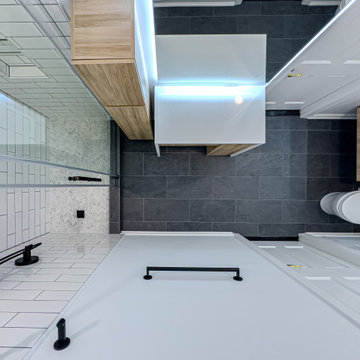
Thinking about a bathroom renovation? Here’s why it’s worth it!
A bathroom makeover isn’t just about aesthetics—it’s about functionality and adding value to your home!
✅ Increased Home Value An updated bathroom can significantly boost your property’s market value.
✅ Improved Efficiency: Upgraded fixtures and modern layouts can save water and energy.
✅ Better Storage: Maximize your space with smart storage solutions.
✅ Personalized Comfort: Turn your bathroom into a relaxing, spa-like retreat.
Ready to transform your bathroom? Let’s make it happen!
https://mayflowerva.com/15-minute-phone-consultation/
☎️(703) 388.9088
?info@mayflowerva.com
#bathroom #bathroomrenovations #bathroomremodelings #renovation #remodeling #dmv
 New England Design Elements
seacoast real estate Photography
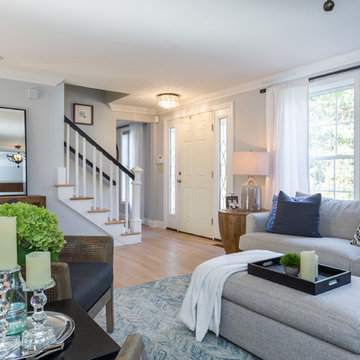
Transitional living room photo in Manchester
Transitional living room photo in Manchester
Find the right local pro for your project
 Interior and Architecture
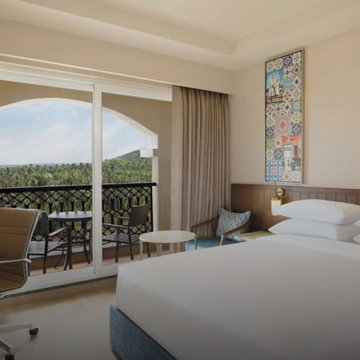
In hospitality design, no space carries as much weight or expectation as the hotel lobby. It is the handshake, the welcome note, the first frame of the guest experience. Within seconds of entering, guests form opinions not just about the space, but about the brand, the service, and the story. At its best, the hotel lobby isn’t just a transitional space; it’s a destination. A well-designed lobby invites, orients, calms, and excites, all at once. It acts as a stage where luxury is not merely seen, but sensed. In this article, Ar. Anil Badan, Founder and Principal Architect at Studio B Architects, shares how hotel lobbies go beyond functionality, becoming emotive spaces that leave a lasting impression from the very first step inside.
Designing for Emotion, Not Just Function
Every guest arrives with a subconscious expectation. Whether stepping into a serene resort or an urban boutique hotel, the lobby must immediately align with the tone of their stay. Lighting, for instance, isn’t just about visibility; it’s about setting mood. A warm, ambient glow suggests calm sophistication, while bold, sculptural fixtures can convey modern opulence. Seating arrangements must strike a balance between social energy and quiet retreat. Natural materials, wood, stone, and linen evoke authenticity and calm. These elements work collectively to influence how a guest feels within the first few moments.
Branding Through Architecture
A hotel lobby is also a silent storyteller. Every finish, curve, and fixture communicates something about the brand's identity. For us, design isn’t about imitation, it’s about interpretation. We interpret the soul of the property and translate it into spatial language. For instance, a curved wall might reference local landscapes. A palette of coastal hues might evoke a regional narrative. In doing so, the lobby becomes more than a threshold; it becomes an anchor of place and memory.
Fluidity, Function, and Flow
In luxury hospitality, the lobby is often a hybrid zone, part reception, part lounge, part co-working, part café. Designing for this fluidity means considering flow and flexibility. Wayfinding should be intuitive. Transitions between zones must be seamless, often achieved through changes in flooring, ceiling heights, or lighting zones. Materials must withstand footfall yet retain elegance. Every element must serve both beauty and purpose.
Ultimately, a successful hotel lobby lingers in memory long after check-out. It is not just a space, it is a statement! One that says: you’ve arrived. And in a world where hospitality is no longer just about service, but about feeling seen, understood, and inspired, the lobby is where that promise begins!
 Longjin Craft
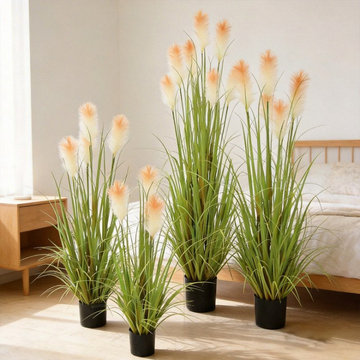
Creating a Dreamy Atmosphere Artificial potted grasses have become a must-have for couples aiming to create a unique vibe at their weddings. They provide a lush backdrop without the hassle of maintenance. Imagine saying your vows surrounded by vibrant, carefully curated greenery that lasts long after the nuptials! The best part? No wilting flowers to worry about. Finding just the right kind of grass is essential. From elegant artificial pampas grass to more subtle, grass-like options, brands like Longjin Craft offer a variety of styles that can cater to different themes. Whether you’re going for boho chic or something more classic, these additions can really pull your decor together. Versatility in Design One of the major perks of using artificial potted grasses is their flexibility. You can place them in strategic corners, use them as table centerpieces, or even have them flanking the aisle. They can be effortlessly moved around, which means you can easily update your look throughout the day. Couples might not realize how well these grasses can play with other elements like twinkling lights or flowing fabrics. A little creativity goes a long way. Oh, and did I mention their weight? They’re stable enough not to tip over, but light enough to transport easily from the ceremony to the reception. Cost-Effective Elegance Let’s face it: weddings can be pricey. Using artificial potted grasses can save a couple a bundle while still adding that touch of elegance. Since they are reusable, they can even become part of your home decor after the big day. Isn’t that a win-win? Investing in high-quality artificial options, like those from Longjin Craft, ensures that you don’t have to compromise on style for cost. Plus, these grasses require no watering or sunlight, allowing you to focus on the things that really matter—like enjoying a piece of cake! Just be careful when choosing colors to match your theme; it can make a noticeable difference. This article is sourced from Longjin Craft Artificial Potted Grass (longjincraft.com).
 Interiors by Odette Design Group
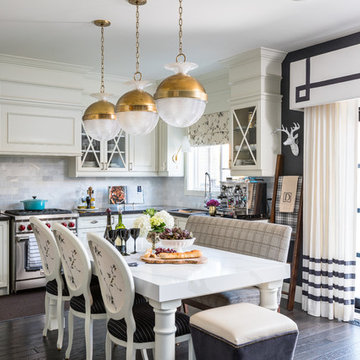
Example of a transitional l-shaped dark wood floor and brown floor eat-in kitchen design in Toronto with an undermount sink, white backsplash and stainless steel appliances
 Sarah St. Amand Interior Design, Inc.
Photography by www.mikechajecki.com
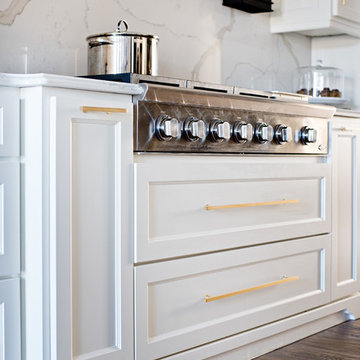
Example of a transitional l-shaped medium tone wood floor open concept kitchen design in Toronto with an undermount sink, shaker cabinets, white cabinets, marble countertops, white backsplash, stone slab backsplash, stainless steel appliances and an island
Example of a transitional l-shaped medium tone wood floor open concept kitchen design in Toronto with an undermount sink, shaker cabinets, white cabinets, marble countertops, white backsplash, stone slab backsplash, stainless steel appliances and an island
 Mayflower Construction Group
How Planning Leads to Successful Construction
Construction projects, whether small residential jobs or large commercial builds, require more than just skilled labor and high-quality materials. The foundation of a successful project lies in effective planning. Proper planning ensures efficiency, minimizes risks, and keeps the project within budget and on schedule. Here’s how thorough planning leads to successful construction:
1. Clear Project Scope and Objectives
Defining the project scope early on helps prevent scope creep and miscommunication. Establishing clear goals, deliverables, and timelines ensures that everyone involved understands the expectations. This prevents delays and unnecessary changes during construction.
2. Accurate Budgeting and Cost Control
A well-planned project includes a detailed cost estimation. This accounts for labor, materials, permits, and unexpected contingencies. Without proper budgeting, costs can spiral out of control, leading to financial strain and potential project failure.
3. Efficient Resource Management
Proper planning helps allocate resources effectively, including manpower, equipment, and materials. Scheduling workers and ordering materials at the right time avoids delays caused by shortages or logistical issues.
4. Risk Identification and Mitigation
Every construction project comes with risks—weather delays, supply chain issues, safety hazards, or regulatory compliance concerns. Planning ahead allows for risk assessment and the implementation of strategies to mitigate potential problems before they occur.
5. Compliance with Regulations and Permits
Failing to secure the necessary permits or adhere to building codes can halt a project indefinitely. Planning ensures that all legal requirements are met in advance, avoiding costly fines and legal complications.
6. Seamless Communication and Coordination
A structured plan includes clear communication protocols between contractors, architects, engineers, and clients. When everyone is on the same page, mistakes are reduced, and the workflow remains smooth.
7. Improved Project Scheduling
A construction schedule outlines each phase of the project, from site preparation to finishing touches. A well-planned schedule helps keep tasks on track, prevents unnecessary delays, and ensures timely project completion.
8. Higher Quality Workmanship
Planning allows for a structured approach to quality control. By setting benchmarks, conducting inspections, and using the right materials, projects meet industry standards and client expectations.
9. Better Client Satisfaction
When a project is completed on time, within budget, and meets quality expectations, client satisfaction increases. A satisfied client is more likely to recommend your services and return for future projects.
Conclusion
In construction, planning isn’t just a step—it’s the backbone of success. From budgeting and resource management to compliance and scheduling, thorough planning prevents costly errors, improves efficiency, and ensures a high-quality outcome. Whether you're working on a small driveway installation or a large-scale commercial project, investing time in planning will always pay off in the long run.
Do you need expert concrete construction services that prioritize planning and quality? Contact us today!
 Sarah St. Amand Interior Design, Inc.
Photography by www.mikechajecki.com
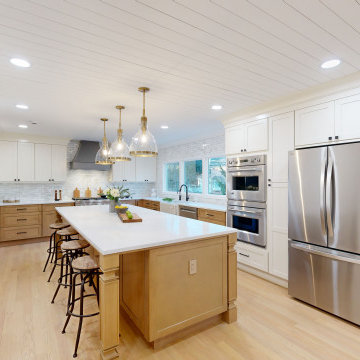
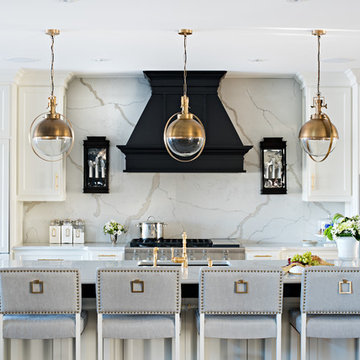
Inspiration for a transitional l-shaped medium tone wood floor open concept kitchen remodel in Toronto with an undermount sink, shaker cabinets, white cabinets, marble countertops, white backsplash, stone slab backsplash, stainless steel appliances and an island
Inspiration for a transitional l-shaped medium tone wood floor open concept kitchen remodel in Toronto with an undermount sink, shaker cabinets, white cabinets, marble countertops, white backsplash, stone slab backsplash, stainless steel appliances and an island
 Granit Architects + Interiors
Photo Credit: Andy Beasley
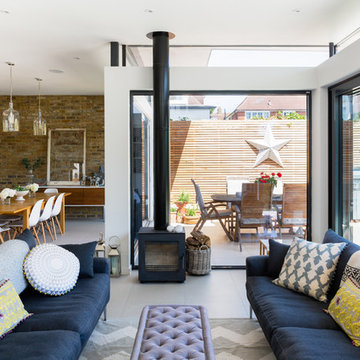
Exposed brick walls, dark joinery and contrasting textures and soft furnishings allows this space to have a lovely homely feel while still being a contemporary family home. A wood burning fire in the sitting area creates a toasty corner, even in an open plan room. A multi use space for entertaining and family life this project is still a hit, and a favourite of ours and the public. The space can be opened up to bring the outside, in. By opening up the huge sliding glazed doors onto the patio you create an even larger space where life can spill out into the garden, and equally lets nature into the home with a breath of fresh air.
The pendant lights above the table from John Lewis – William Bottle Glass Pendants from the Croft collection £130 each. These are such simple lights with a hint of detail and a slightly industrial feel ties in beautifully with the metal star table lamp on the bespoke side table.
 Toronto Interior Design Group
Gillian Jackson
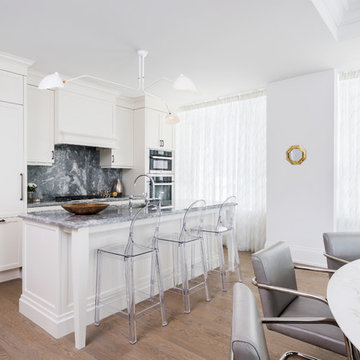
Inspiration for a small eclectic galley light wood floor kitchen remodel in Toronto with an undermount sink, shaker cabinets, white cabinets, marble countertops, gray backsplash, stone slab backsplash, stainless steel appliances and an island
Inspiration for a small eclectic galley light wood floor kitchen remodel in Toronto with an undermount sink, shaker cabinets, white cabinets, marble countertops, gray backsplash, stone slab backsplash, stainless steel appliances and an island
4