
Search results for "Chimneys" in Home Design Ideas
 SUPERIOR CHIMNEY SERVICES CORPORATION
As you may know, Superior Chimney writes a lot of articles to educate the Chicagoland area on chimneys and how to identify problems. Every once in a while, it is good to go back and review the basics. That’s what we’re going to do. We’re going to discuss what are the components of a chimney. Let’s get started.
What are the Components of a Fireplace?
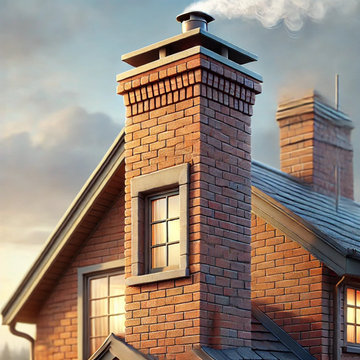
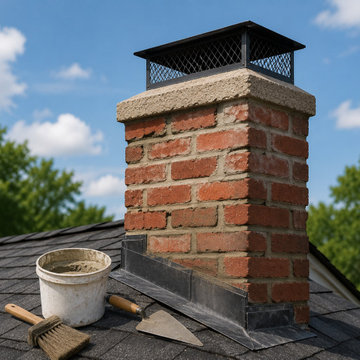
We’re going to get started on the actual chimney itself. Most chimneys are built of brick and some are constructed of a wood framed chase with siding on it to match the rest of the home. The traditional masonry fireplace chimneys include (from the inside out) a firebox, where the firewood burns and gas starter are located. Going up is the throat, smoke chamber and then chimney flue. These are the components of a masonry chimney where the exhaust/air travels through - From the firebox and out through the top of the chimney. You can most often ‘see’ your chimney from the ground, you will notice the bricks and on top of that will be the chimney crown (cement slab) which keeps the elements away from the brick chimney. On top of the chimney crown is the chimney cap. This is what keeps animals & debris from entering the chimney flue… raccoons, squirrels, birds, bats, etc… down the flue, and into the firebox.
Now that we know what components that a chimney has, let’s focus on a couple of key areas.
Fireplace Dampers
All chimneys are fitted with a fireplace damper. A fireplace damper is a metal plate that opens and closes, allowing smoke from the fireplace to move up and out of the home. If you have a fire and the fireplace damper is closed, or restrictive, the smoke will back up into your home. The smoke needs a place to go. When the fireplace is not in use, the damper should remain closed in order to keep the cold air out of your home and warm air from escaping your home. Just because you have a fireplace does not mean that you have to deal with cold drafts in the room the fireplace is in.
Chimney Flues
As we all know, heat rises. The heat from the fireplace is going to rise taking with it the smoke, and other gases. This process is known as drafting. It is important to have good drafting as it prevents the smoke or gases from staying in your home and harming your family.
Chimney Flue Liners
Flue liners are important to the chimney; they are your firewall. It works to prevent overheating of any combustibles next to the chimney. And, it helps so the chimney construction doesn’t corrode from the byproducts of burning wood, or creosote. There are a few types of flue liners, such as fire clay tiles, heat resistant concrete, and stainless steel. Superior Chimney recommends the use of stainless steel in our geographic freeze and thaw climate. Our technicians can give you the details when we are at your home.
What is the Purpose of Taking Care of the Chimney?
Chimney Fires. This is where regular sweep & inspection is crucial to the health of your home. Without a chimney sweep or chimney cleaning each year, (whether you use the chimney or not, gas or wood burning) the chimney can cause a fire to transfer to your home. Only Nationally credentialed service technician professionals know and can inspect the key components of a fireplace for known condition and continued use. Be sure to contact us today!
 Kansas City Masonry /City Of Fountains
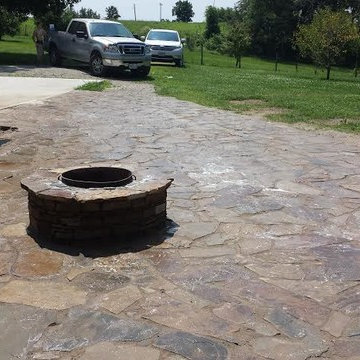
 Kansas City MO, Paver Patio, STONE PATIO, LANDSCAPE Contractors,MASONRY repair,stone MASONRY RESTORATION, kansas city.KANSAS CITY stone restoration, BRICK REPAIR, custom design MASONRY and construction of residential masonry CONTRACTOR work, Paver patios walkways, retaining walls, patios, porches, brick and stone patios. Materials such as Bluestone, Flagstone MASONRY, Natural Stone and Brick are available to create a natural array of choices. We will help design your masonry project to match your existing Kansas city home or a new re-model.
Chimney Repair KANSAS CITY Chimney Replacement KANSAS CITY Chimney Cleaning KANSAS CITY Tuck pointing KANSAS CITY Chimney Caps KANSAS CITY Brick/Stone Pillars Waterproofing KANSAS CITY Custom Brick Design Installation KANSAS CITY Custom Stone Installation KANSAS CITY Custom Stucco Installation KANSAS CITY Chimney Repair KANSAS CITY Chimney Replacement KANSAS CITY Chimney Cleaning KANSAS CITY Tuck pointing KANSAS CITY Chimney Caps KANSAS CITY Brick/Stone Pillars Waterproofing KANSAS CITY Custom Brick Design Installation KANSAS CITY Custom Stone Installation KANSAS CITY Custom Stucco Installation KANSAS CITY
Chimney Repair KANSAS CITY Chimney Replacement KANSAS CITY Chimney Cleaning KANSAS CITY Tuck pointing KANSAS CITY Chimney Caps KANSAS CITY Brick/Stone Pillars Waterproofing KANSAS CITY Custom Brick Design Installation KANSAS CITY Custom Stone Installation KANSAS CITY Custom Stucco Installation KANSAS CITY Chimney Repair KANSAS CITY Chimney Replacement KANSAS CITY Chimney Cleaning KANSAS CITY Tuck pointing KANSAS CITY Chimney Caps KANSAS CITY Brick/Stone Pillars Waterproofing KANSAS CITY Custom Brick Design Installation KANSAS CITY Custom Stone Installation KANSAS CITY Custom Stucco Installation KANSAS CITY Chimney Repair KANSAS CITY Chimney Replacement KANSAS CITY Chimney Cleaning KANSAS CITY Tuck pointing KANSAS CITY Chimney Caps KANSAS CITY Brick/Stone Pillars Waterproofing KANSAS CITY Custom Brick Design Installation KANSAS CITY Custom Stone Installation KANSAS CITY Custom Stucco Installation KANSAS CITY
Chimney Repair KANSAS CITY Chimney Replacement KANSAS CITY Chimney Cleaning KANSAS CITY Tuck pointing KANSAS CITY Chimney Caps KANSAS CITY Brick/Stone Pillars Waterproofing KANSAS CITY Custom Brick Design Installation KANSAS CITY Custom Stone Installation KANSAS CITY Custom Stucco Installation KANSAS CITY Chimney Repair KANSAS CITY Chimney Replacement KANSAS CITY Chimney Cleaning KANSAS CITY Tuck pointing KANSAS CITY Chimney Caps KANSAS CITY Brick/Stone Pillars Waterproofing KANSAS CITY Custom Brick Design Installation KANSAS CITY Custom Stone Installation KANSAS CITY Custom Stucco Installation KANSAS CITY Chimney Repair KANSAS CITY Chimney Replacement KANSAS CITY Chimney Cleaning KANSAS CITY Tuck pointing KANSAS CITY Chimney Caps KANSAS CITY Brick/Stone Pillars Waterproofing KANSAS CITY Custom Brick Design Installation KANSAS CITY Custom Stone Installation KANSAS CITY Custom Stucco Installation KANSAS CITY Chimney Repair KANSAS CITY Chimney Replacement KANSAS CITY Chimney Cleaning KANSAS CITY Tuck pointing KANSAS CITY Chimney Caps KANSAS CITY Brick/Stone Pillars Waterproofing KANSAS CITY Custom Brick Design Installation KANSAS CITY Custom Stone Installation KANSAS CITY Custom Stucco Installation KANSAS CITY
Chimney Repair KANSAS CITY Chimney Replacement KANSAS CITY Chimney Cleaning KANSAS CITY Tuck pointing KANSAS CITY Chimney Caps KANSAS CITY Brick/Stone Pillars Waterproofing KANSAS CITY Custom Brick Design Installation KANSAS CITY Custom Stone Installation KANSAS CITY Custom Stucco Installation KANSAS CITY Chimney Repair KANSAS CITY Chimney Replacement KANSAS CITY Chimney Cleaning KANSAS CITY Tuck pointing KANSAS CITY Chimney Caps KANSAS CITY Brick/Stone Pillars Waterproofing KANSAS CITY Custom Brick Design Installation KANSAS CITY Custom Stone Installation KANSAS CITY Custom Stucco Installation KANSAS CITY Chimney Repair KANSAS CITY Chimney Replacement KANSAS CITY Chimney Cleaning KANSAS CITY Tuck pointing KANSAS CITY Chimney Caps KANSAS CITY Brick/Stone Pillars Waterproofing KANSAS CITY Custom Brick Design Installation KANSAS CITY Custom Stone Installation KANSAS CITY Custom Stucco Installation KANSAS CITY
Chimney Repair KANSAS CITY Chimney Replacement KANSAS CITY Chimney Cleaning KANSAS CITY Tuck pointing KANSAS CITY Chimney Caps KANSAS CITY Brick/Stone Pillars Waterproofing KANSAS CITY Custom Brick Design Installation KANSAS CITY Custom Stone Installation KANSAS CITY Custom Stucco Installation KANSAS CITY Chimney Repair KANSAS CITY Chimney Replacement KANSAS CITY Chimney Cleaning KANSAS CITY Tuck pointing KANSAS CITY Chimney Caps KANSAS CITY Brick/Stone Pillars Waterproofing KANSAS CITY Custom Brick Design Installation KANSAS CITY Custom Stone Installation KANSAS CITY Custom Stucco Installation KANSAS CITY
Chimney Repair KANSAS CITY Chimney Replacement KANSAS CITY Chimney Cleaning KANSAS CITY Tuck pointing KANSAS CITY Chimney Caps KANSAS CITY Brick/Stone Pillars Waterproofing KANSAS CITY Custom Brick Design Installation KANSAS CITY Custom Stone Installation KANSAS CITY Custom Stucco Installation KANSAS CITY
Chimney Repair KANSAS CITY Chimney Replacement KANSAS CITY Chimney Cleaning KANSAS CITY Tuck pointing KANSAS CITY Chimney Caps KANSAS CITY Brick/Stone Pillars Waterproofing KANSAS CITY Custom Brick Design Installation KANSAS CITY Custom Stone Installation KANSAS CITY Custom Stucco Installation KANSAS CITY Chimney Repair KANSAS CITY Chimney Replacement KANSAS CITY Chimney Cleaning KANSAS CITY Tuck pointing KANSAS CITY Chimney Caps KANSAS CITY Brick/Stone Pillars Waterproofing KANSAS CITY Custom Brick Design Installation KANSAS CITY Custom Stone Installation KANSAS CITY Custom Stucco Installation KANSAS CITY
Chimney Repair KANSAS CITY Chimney Replacement KANSAS CITY Chimney Cleaning KANSAS CITY Tuck pointing KANSAS CITY Chimney Caps KANSAS CITY Brick/Stone Pillars Waterproofing KANSAS CITY Custom Brick Design Installation KANSAS CITY Custom Stone Installation KANSAS CITY Custom Stucco Installation KANSAS CITY Custom Interior and Exterior fireplaces. Custom drystack stone KANSAS CITY Interior and Exterior masonry columns Exterior masonry house fronts Exterior chimneys KANSAS CITY Custom backyard grill and patio areas Interior and Exterior flagstone floors KANSAS CITY Flag stone table tops Retaining walls KANSAS CITY Brick restoration Tuck pointingChimney Repair KANSAS CITY Chimney Replacement KANSAS CITY Chimney Cleaning KANSAS CITY Tuck pointing KANSAS CITY Chimney Caps KANSAS CITY Brick/Stone Pillars Waterproofing KANSAS CITY Custom Brick Design Installation KANSAS CITY Custom Stone Installation KANSAS CITY Custom Stucco Installation KANSAS CITY Custom Interior and Exterior fireplaces. Custom drystack stone KANSAS CITY Interior and Exterior masonry columns Exterior masonry house fronts Exterior chimneys KANSAS CITY Custom backyard grill and patio areas Interior and Exterior flagstone floors KANSAS CITY Flag stone table tops Retaining walls KANSAS CITY Brick restoration Tuck pointingMasonry Construction Kansas cityMasonry repair Kansas cityMasonry Stone Fireplace,Kansas cityMasonry Kansas cityMasonry walls Kansas cityOutdoor fireplace Kansas cityStone Construction Kansas cityStone fireplace contractor Kansas cityMASONRY Repair KANSAS CITY Chimney Replacement KANSAS CITY Chimney Cleaning KANSAS CITY Tuck pointing KANSAS CITY Chimney Caps KANSAS CITY Brick/Stone Pillars Waterproofing KANSAS CITY Custom Brick Design Installation KANSAS CITY Custom Stone Installation KANSAS CITY Custom Stucco Installation KANSAS CITYChimney Repair KANSAS CITY Chimney Replacement KANSAS CITY Chimney Cleaning KANSAS CITY Tuck pointing KANSAS CITY Chimney Caps KANSAS CITY Brick/Stone Pillars Waterproofing KANSAS CITY Custom Brick Design Installation KANSAS CITY Custom Stone Installation KANSAS CITY Custom Stucco Installation KANSAS CITY Custom Interior and Exterior fireplaces. Custom drystack stone KANSAS CITY Interior and Exterior masonry columns Exterior masonry house fronts Exterior chimneys KANSAS CITY Custom backyard grill and patio areas Interior and Exterior flagstone floors KANSAS CITY Flag stone table tops Retaining walls KANSAS CITY Brick restoration Tuck pointingChimney Repair KANSAS CITY Chimney Replacement KANSAS CITY Chimney Cleaning KANSAS CITY Tuck pointing KANSAS CITY Chimney Caps KANSAS CITY Brick/Stone Pillars Waterproofing KANSAS CITY Custom Brick Design Installation KANSAS CITY Custom Stone Installation KANSAS CITY Custom Stucco Installation KANSAS CITY Custom Interior and Exterior fireplaces. Custom drystack stone KANSAS CITY Interior and Exterior masonry columns Exterior masonry house fronts Exterior chimneys KANSAS CITY Custom backyard grill and patio areas Interior and Exterior flagstone floors KANSAS CITY Flag stone table tops Retaining walls KANSAS CITY Brick restoration Tuck pointing
Office Locations Country Club Plaza 435 Nichols Road, Suit 200 Kansas City, MO, 64112
Chimney Repair KANSAS CITY
Chimney Replacement KANSAS CITY
Chimney Cleaning KANSAS CITY
Tuck pointing KANSAS CITY
Chimney Caps KANSAS CITY
Brick/Stone Pillars
Waterproofing KANSAS CITY
Custom Brick Design Installation KANSAS CITY
Custom Stone Installation KANSAS CITY
Custom Stucco Installation KANSAS CITY
Custom Interior and Exterior fireplaces.
Custom drystack stone KANSAS CITY
Interior and Exterior masonry columns
Exterior masonry house fronts
Exterior chimneys KANSAS CITY
Custom backyard grill and patio areas
Interior and Exterior flagstone floors KANSAS CITY
Flag stone table tops
Retaining walls KANSAS CITY
Brick restoration
Tuck pointing
STONE WATERFALLS
 SUPERIOR CHIMNEY SERVICES CORPORATION
Is it crazy to think about chimney repairs in the winter? It’s cold and snowy outside and the rooftops are solid white, coated with a layer of ice. A homeowner called us with a concern about her home. She reported that a small stream of water was coming down the chimney and into the firebox. To keep the water from flooding the firebox, the homeowner placed a Tupperware container to collect the water. Not a good look. Can chimney repairs in the winter be done by a certified chimney technician?
Chimney Repairs in the Winter
Chimney repairs can be completed in the winter, although it depends on what type of chimney repair is needed. Let’s take a quick look at the different chimney repairs in our cold winter months.
Chimney Cap: If your chimney cap comes loose, or if the winter winds knocked it out of place or blew it off completely, our certified chimney technician can go up on the roof and take care of the chimney cap for you with a chimney cap replacement. Our technicians follow the guidelines for safety, especially in the winter months when roofing systems are the slipperiest.
Flashing: Flashing is the connector from the roofing system to the chimney. It is the barrier that protects water from finding its way into your home. However, if the flashing becomes loose or comes away from the roof and chimney, it is open season for the rain to come directly into your home and create chaos.
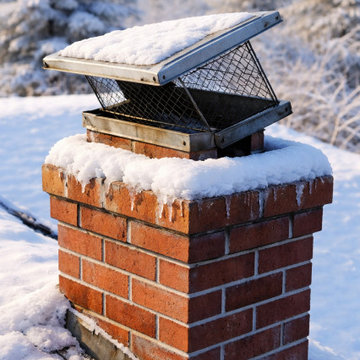
Chimney Crown: The chimney crown is the slab of cement that sits on top of the chimney and right below the chimney cap. Hairline cracks can form in the chimney crown allowing water, melted snow, to enter. Even the smallest hairline crack can cause the melted snow to find the weak spot on the chimney crown and make its way into your home.
Remember, hairline cracks can and will grow in width and length with the freeze thaw cycles. When the melted snow freezes at night, it expands inside of the crack. If the temperatures cooperate in the daytime, it melts the snow. But remember, it doesn’t necessarily dry out inside of the crack. It can remain moist and freeze again at night.
Chimney Tuckpointing: Tuckpointing the chimney can be done in the winter, but it certainly isn’t an easy process as we’re dealing with wet mortar. Cracks can create an entry point for melted snow to enter, further deteriorating the mortar.
Although it is not optimal to perform chimney repairs in the winter, Superior Chimney takes precautions to ensure a safe and effective repair. Now the homeowner can get rid of the streaming water in the firebox and enjoy the rest of the winter with a warm and dry fireplace.
Be sure to contact us today if you have a water leak in your fireplace. If you would like to have your chimney inspected and checked for water leaks coming this spring, contact us today to schedule it up in March. This way, you’ll be all set and not compete with others in the Spring.
Find the right local pro for your project
 R-NET Custom Homes
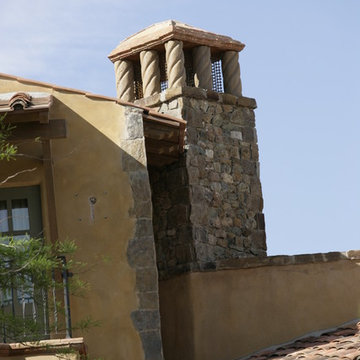
gorgeous design for a chimney top. The spiral pillars give it a uniqueness unlike other ones. It has many airways for smoke to escape.
Inspiration for a mid-sized timeless beige stucco exterior home remodel in Phoenix
Inspiration for a mid-sized timeless beige stucco exterior home remodel in Phoenix

 Chimneyz
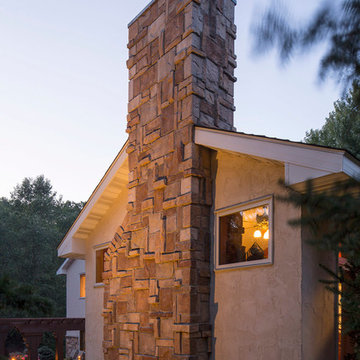
A complete chimney rebuild for a homeowner in Snoqualmie. The original brick chimney had reached the end of its lifespan — the crown was cracked, mortar joints were failing, and water damage was beginning to spread into the surrounding roofing. Rather than patch a failing structure, the homeowner chose to rebuild the chimney from the roofline up.
We tore down the deteriorated upper portion of the chimney and rebuilt it using natural stacked stone for a finished look that blends with the home's wooded surroundings. Two custom stainless steel multi-flue caps were installed to protect both flues from rain, debris, and animals while allowing safe ventilation. A new pre-cast concrete crown ties everything together and channels water away from the masonry below.
Scope of work:
- Demo of failing brick crown and upper chimney
- Structural assessment of remaining chimney base
- Custom stone veneer and mortar work for new chimney
- Pre-cast concrete crown installation with proper drip edge
- Custom-fit stainless steel multi-flue caps with spark arrestor screens
- Full waterproofing and weather protection
- Roof flashing inspection and minor repair as needed
The result: a chimney built to last another 50+ years — beautiful, functional, and perfectly matched to the home's natural surroundings. Family-owned. Licensed and bonded in Washington State.
 AG&M Austin (Architectural Granite & Marble)
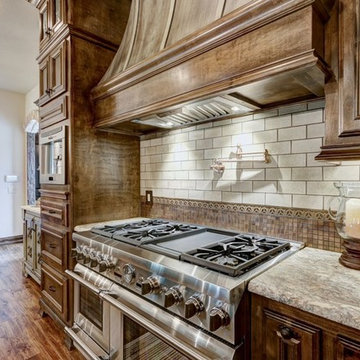
Example of a mid-sized classic galley medium tone wood floor eat-in kitchen design in Austin with recessed-panel cabinets, granite countertops, white backsplash, subway tile backsplash and stainless steel appliances
 SUPERIOR CHIMNEY SERVICES CORPORATION
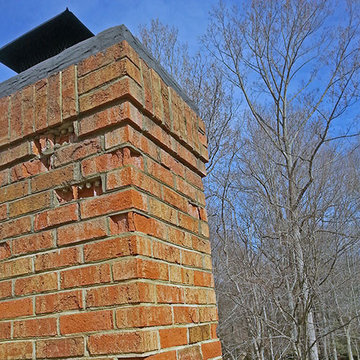
A Seeping Chimney Can Cause Long-Term Damage
A seeping chimney is a slow, gradual way of water entering into the home and causing damage slowly, steadily and over time. The seeping chimney damage can range from a minor repair to something far more extensive. However, when it comes to water, it certainly doesn’t play nice with the materials your home is made from, including your chimney.
Let’s take a look at some of the various damage that can occur when your chimney leaks and makes its way to the various part of your home.
Wall Damage
One of the most obvious telltale signs of a water leak from the seeping chimney is wall damage. When it reaches your walls, the paint can peel, the wall can little bubbles or even the drywall can begin to chip away. No different if you have crown molding, wood paneling or other decorative aspects to your walls. Water can make the varnish peel and cause discoloration.
When your chimney isn’t inspected each year by a certified technician, these damages can be very expensive to repair.
Mold Growth
Many of us have experienced mold in the bathroom. Why? Because it is a perfect place for mold to grow. You have the perfect main ingredient. Moisture. If a seeping chimney allows for moisture to enter your home, it can create a perfect scenario for mold to grow. Mold can be harmful to your heath, especially if you have health issues such as asthma, allergies or emphysema to name a few.
By maintaining a healthy chimney equipped with a chimney crown, chimney cap and a waterproofing solution called Chimney Saver, you can keep moisture out and your health in good shape.
Soft Wood, Walls & More
When water gets at wood or walls, and it drips over time, the wood and wall material turn soft and falls apart. This rotting makes the wood or walls flaky to the touch and can cause structural damage. There’s another issue that comes with rotting wood or water-logged walls…bugs and pests. This is the perfect vacation spot for bugs and pests. Keeping them out of your home is a top priority.
Keep unwanted visitors out of your home by having an inspection on the chimney, the flue and down to the fireplace completed. Contact us today at 877-244-6349. We’re right here in Lombard, IL, close to where you reside.
What You Can’t See Can Hurt You
One way to ensure wall damage, mold spores and deteriorating wood and walls don’t happen is to get a yearly inspection on the chimney. Whether you have a gas or wood burning fireplace, use it all the time or not, rain water is still active trying to find its way into your home. Don’t give it that chance. Keep on top of it with a yearly inspection.
Contact us today at 877-244-6349 to set an appointment for a fireplace clean and check for a certified chimney inspection.
Sponsored
Columbus, OH

Structural Remodeling
Franklin County's Heavy Timber Specialists | Best of Houzz 2020!
 SUPERIOR CHIMNEY SERVICES CORPORATION
A certified chimney inspection in Illinois is one of the key ‘to-do’s’ for the holidays. The last thing you need are a bunch of complaints because it’s too cold.
There’s a cold draft coming from the fireplace. Or the fire is nice and warm, but the kids playing are starting to cough because there’s a backup of smoke coming into the home. Now you have to open the windows and everyone is cold again. There are enough stresses the host must deal with, do we need to add another one?
What is a Certified Chimney Inspection?
According to the CSIA, a certified chimney inspection is an evaluation of the chimney or venting system to assess its condition and determine if it’s fit for use. Superior Chimney is certified by the CSIA to perform chimney inspections and chimney sweeps as well. What this means for you is that our technicians are trained to adhere to the NFPA 211 standard which states that the chimney and venting systems are to be inspected each year regardless if it’s a woodburning gas or unused fireplace and chimney.
Chimney Inspection Levels
A Level 1 inspection is the minimum required. How do you know this one is for you? A certified chimney inspection is when you have your chimney swept and inspected each year. Nothing has changed, you use it (or don’t use it) any differently than in the past.
A Level 2 inspection is when a change has been made to your system. This can include a change in the type of fuel being used such as changing over from gas to woodburning or from not using the fireplace to using it even if it is only once per year. Another change can also be the change to the shape of the flue or you had a new flue lining installed which is different that what you had prior.
A Level 2 is also necessary if you sold your home or if there’s been a tornado, bad storms or those (once in a few years) earthquakes.
Level 3 inspection is for more serious hazards and issues. The normal technician tools won’t do and they need special tools in order to inspect closed out portions that can’t be viewed easily.
Reason for a Yearly Inspection…
One of the main reason your chimney and fireplace needs an inspection…regardless if you use the fireplace or not…is the winter freeze thaw cycles. This is when the air temperature drops to 32 degrees or below to freeze the rain and/or snow and then goes right back up in temperature for the rain and/or snow to thaw.
As we have all experienced, winter and early spring are the perfect times of year to experience the freeze thaw cycle.
Finally…
Now that you know the stress your chimney and fireplace goes through each year, be sure to get it swept and inspected by a certified chimney technician from Superior Chimney. This will keep the holiday complaints down to a minimum. Contact us today at 877-CHIM-FIX (877-244-6349)
 SUPERIOR CHIMNEY SERVICES CORPORATION
As the temperatures continue to climb, and we finally get a chance to enjoy some warm weather, we start to walk around the neighborhood, or even our own homes, to find that lots of work needs to be done. Whether it be weed picking or changing bulbs in the light fixtures there’s always something that needs to be done. However, there’s one thing that can’t wait for your attention and that’s chimney tuckpointing. Why is it so important? Let’s take a look.
Weather and Tuckpointing, Not a Good Match
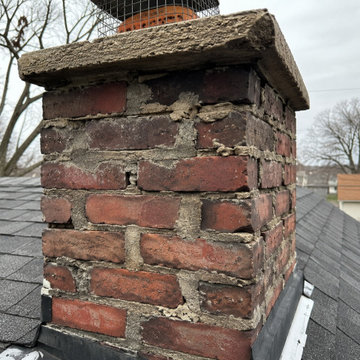
You might have guessed that Chicago and Chicagoland’s weather is brutal on masonry. The city and suburbs average around 35 freeze-thaw cycles every single winter. Every time the cycle occurs, it takes a toll on the chimney's mortar joints. When water gets in and temperatures drop, the water freezes & expands as ice with enough force to crack brick and stone. When Spring comes around, what once was a hairline crack, now gets bigger and allows rain to enter into your home.
This is why the yearly chimney inspection is not optional, according to the CSIA (Chimney Safety Institute of America).
A Little Chicago History
Most homes in neighborhoods like Beverly, Oak Park, Evanston and across the North Shore were built between the 1890s and 1950s. The mortar used in that era had a lifespan of roughly 25–30 years under normal conditions. Under Chicago and Chicagoland conditions? It is reduced. Homeowners buying older properties frequently inherit chimneys that haven't been maintained in a very long time.
When the chimney along with the flashing, bricks, chimney cap and chimney crown are not checked and maintained, loss of structural integrity begins. Water working its way through deteriorated joints reaches the interior of the chimney. This is where it can cause damage to the fire liner while it finds its way into the home. In some situations, compromised masonry near the fireplace can create fire safety concerns.
Getting a Chimney Inspection Early Makes All the Difference
The good news is that chimney tuckpointing, diagnosed early, is simply a repair. The bad news is that homeowners who wait too long can turn the issue into a partial rebuild, or a full chimney rebuild. By the time mortar is visibly crumbling from the street, the damage has already progressed deeper into the chimney structure.
A professional inspection every year is the most cost-effective way to keep the chimney and home heathy. It's often the difference between a few hundred dollars and several thousand.
Not All Tuckpointing Is Equal
One thing worth understanding is that proper tuckpointing requires removing the old mortar to a depth of approximately three-quarters of an inch before new mortar can be applied. Anything less and the new mortar won't bond with longevity / correctly. DIY or companies that just smear new mortar over old joints are doing what's sometimes called "skim coating," and it's essentially cosmetic work that won't hold up.
The type of mortar mix matters too. More modern cement mortars are actually harder than historic brick, which causes the brick itself to absorb, stress and crack rather than the mortar joint. A knowledgeable mason from Superior Chimney will match mortar composition to the brick, only something a real expert can get right.
Contact Superior Chimney today to get a chimney inspection which includes inspecting the exterior chimney today at 877-244-6349.
 SUPERIOR CHIMNEY SERVICES CORPORATION
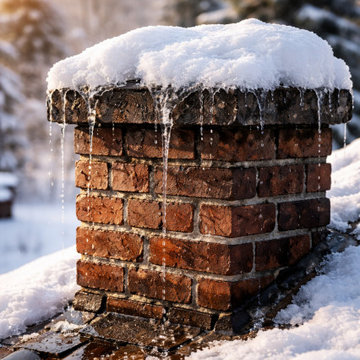
Why is Snow Melting on My Chimney?
We all get a bit excited when the predictions call for warmer temperatures. It’s a welcome relief from the layers of sweaters, thick socks and gloves that we need to wear to protect from the cold. When that warmth hits, it is amazing. But, are chimney’s ‘happy’ in their own way when the temperatures are rising? Homeowners sometimes take notice of the changes going on outside and call us to ask, why is snow melting on my chimney?
Why is Snow Melting on My Chimney?
It sounds like a silly question to ask, but there is a reason for it. Once you understand what causes it, you will then know if your chimney is starting to have a problem or not. Let’s take a look at a few of the causes for melting slow.
1. Transfer of Heat: Let’s get the most obvious out of the way. When you use your fireplace, the firebox heats up and as we all know, heat rises. Meaning, it will go through the chimney and out through the top. As the heat continues, the snow around the chimney begins to melt and turn into water.
2. Attic Insulation: Warm air from the room your fireplace resides, rises and can get into the attic. The warm air settles around the roof deck causing it to warm up around the chimney. It will melt the snow around the chimney.
3. Condensation: It is true when the warm air meets cold air, condensation, or a wet moisture forms. When the warm air makes it way up to the chimney top and it meets the cold outside air, condensation forms. The only problem with this cycle is that it can be concerning when it forms ice and can be dangerous.
What Can Be Done?
Now’s the time to schedule a chimney inspection. As the snow melts quickly with the warmer temperatures, you want to watch for water leaks. However, if you ‘see’ the results from a water leak, you’re too late, damage is done. This is where a chimney inspection can catch the water leak before it begins or before it can do any real damage.
Superior Chimney will conduct a 14 point inspection. The 14-point inspection is for you to gain a better understanding of the thorough check that we do each and every time, inside and outside of the home. This is critical as water leaks loom when the chimney is not functioning at its fullest capacity. A certified chimney technician has been fully trained to identify chimney leaks, or when creosote buildup can be dangerous to the safety of the home.
Contact us today to get your chimney cleaned and checked.
 SUPERIOR CHIMNEY SERVICES CORPORATION
Winter is always tough on your home. This past winter was no picnic with the snow and cold. By the time spring (really) arrives, your chimney has put up with months of freezing temperatures, snow, ice, and the constant freeze-thaw cycle that quietly does damage you can't always see from the outside. That's why a spring chimney inspection isn't just a good idea, it’s essential to have your chimney checked before storm season begins. Here’s why:
Water Is Your Chimney's Worst Enemy
Here's something that most homeowners don’t know: chimney leaks cause more damage to masonry chimneys than fire does. Think about that a moment. While everyone worries about creosote and chimney fires — and rightfully so — water is silently doing just as much, if not more, damage.
Unlike the rest of your home, which is sheltered by your roof and eaves, your chimney stands fully exposed above the roofline. It takes on rain, wind, snow, and every freeze-thaw cycle winter throws at it, all while absorbing moisture into its porous masonry materials. That water expands and contracts, causing cracks, structural stress, and integrity loss that accumulates over time. The worst part? Chimney leaks are often subtle and slow-moving. By the time you notice water damage inside your home, the problem has usually become more serious, and expensive.
What a Spring Inspection Actually Catches
A professional spring chimney inspection, such as Superior Chimney’s, goes well beyond a quick visual check. A CSIA Certified Chimney Sweep technician will evaluate your entire system — inside and out — looking for the most common sources of chimney leaks and damage, including cracked chimney crowns, deteriorated brick and mortar joints, damaged or missing chimney caps, faulty chimney flashing and roof leaks, chimney slab gaps, and flue gas condensation from improperly sized chimney liners.
Any one of these issues left without a proper inspection, heads into spring storm season is an open invitation for water damage. And as Superior Chimney has discussed, masonry water damage is a progressive problem — the longer it goes unrepaired, the costlier the fix becomes.
What You Can Do Right Now
The good news is that most chimney water damage is preventable. The key steps are:
• have a professional-grade chimney cap installed if you don't already have one
• repair or replace a damaged chimney crown
• address any deteriorated brick and mortar
• fix leaky flashing and
• consider having your chimney professionally waterproofed. Waterproofing alone can save you significantly on future repair costs.
What’s Next?
Superior Chimney always includes a free 14-Point Certified Written Inspection with photo documentation via email with every chimney sweep. This helps you to know exactly what condition your chimney is in and what, if anything, needs attention.
Don't wait, have your chimney checked before storm season begins to reveal a problem that's been building all winter.
Schedule your inspection today at 877-244-6349.
 SUPERIOR CHIMNEY SERVICES CORPORATION
The impact of temperature drop on the chimney can impact the structure and functionality of the chimney. As we have been experiencing in Chicago winters, temperatures have gone from 50 degrees down to 21 degrees during the day, with temperatures falling even further at night. What can you do as a homeowner to watch for, and when to bring in a certified technician from Superior Chimney.
External: Impact of Temperature Drop on the Chimney
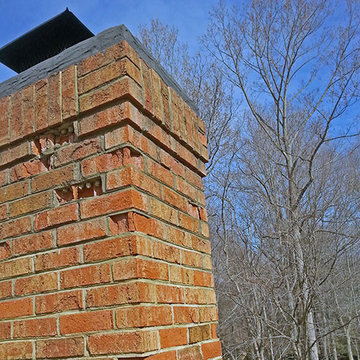
Anytime there is a rapid temperature change, it causes the bricks, stones and mortar to expand and contract. These durable materials are still susceptible to thermal shock, especially when it gets wet from ice, rain or melting snow. Because of the drastic change in temperatures, this can cause hairline cracks to begin, and if it goes unnoticed, larger cracks in the masonry will form.
External: Freeze-Thaw Damage
Mortar, bricks and stones are porous materials, meaning that air and water enter the materials. Sometimes, it leaves or dries out, and other times it stays longer. When the temperatures drop below 32 degrees, any of the trapped water freezes and then expands. This can cause small cracks to start, deterioration of the mortar or spalling which is the flaking of the bricks to occur.
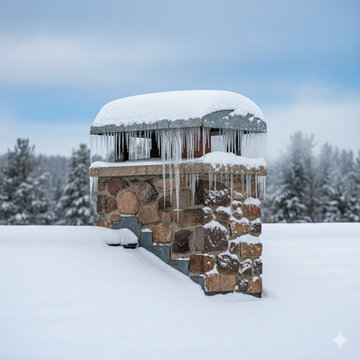
External: Ice Build Up on the Chimney Cap or Chimney Crown
When temperatures are 50 degrees and it rains, water accumulates everywhere, including the highest point on your house, the chimney. The chimney cap and chimney crown are always exposed to the harshest elements. When it rains and temperatures drop during the day or night, freezing occurs and can create ice buildup. This can cause the chimney crown to crack or the chimney cap to loosen.
Internal: Chimney Flue Lining
The temperature swing also affects the chimney flue liner. Some chimney flue liners are made from clay. These are especially susceptible to crack forming from the swing in temperatures. But what also happens whether you have a gas or wood burning fireplace is the formation of condensation which can occur when there is fast cooling after the fire in the fireplace is put out or turned off.
Bring out the Sun!
Well, yes, the sunshine melts the ice and snow, but when temperatures go down at night, what remains wet, will refreeze again. The repeated process places stress on the masonry, bricks and stone.
Chimney Inspections Work
A chimney inspection can help with both safety and preserving the structure of the chimney. When a chimney technician conducts an inspection, they will search for cracks in the bricks and mortar, any spalling or deterioration from the thermal shock and freeze thaw cycle. These areas will be marked for repairs if it gets any worse and before it becomes too expensive to repair.
We can’t forget the biggest intruder in the home: water. The chimney technician will also be checking for water leaks from the chimney flashing, the chimney crown, chimney cap or the efflorescence which is the white material that shows up on the chimney or fireplace.
These are just a couple of key areas that a chimney inspection completes. There are numerous other areas, and this can be found on Superior Chimney’s 14-point inspection guide.
Contact us today, and we’ll set you up for a chimney inspection with photo evidence so you have peace of mind with the safety and security of your home.
 SUPERIOR CHIMNEY SERVICES CORPORATION
It is exciting that warm weather is on the way. I know that it’s not likely you’ll be thinking about turning on your fireplace. But it is the time to be thinking about getting it checked and get any type of repairs done now so you can enjoy it when the weather cools off.
Here are the top 3 chimney repairs to make this summer:
Repair #1: Chimney Cap
The chimney cap is a critical component to the chimney. It protects from debris, animals, water, snow, and wind from entering the chimney - Every chimney needs a chimney cap for the same reasons every home needs a roof! There’s another benefit many don’t consider...
If you have a woodburning fireplace, sparks can go up the chimney flue and reach the outside causing a potential fire on the roof or any dry debris such as leaves and grass. The chimney cap also has spark inhibiting components that prevent the sparks from exiting the chimney cap.
Repair #2 Masonry
Mortar is the filling in between the bricks or stone in your chimney. Masonry or tuckpointing is the repair made by a masonry professional in order to build or fix the deterioration or missing mortar in between the bricks or stone.
In a repair situation, not all mortar will be replaced. As a result, Superior Chimney works to match the color of the existing mortar so it all looks clean and uniform.
It’s best to have the chimney inspected each year as the chimney is exposed to the weather elements on all four sides. If a homeowner waits too long to have repairs done on the masonry, it can lead to the need for a full rebuild of the chimney.
Repair #3 Chimney Liner
The chimney liner is a very important part of your chimney system. The chimney liner directs all smoke and gasses out from the home. If cracks appear in the chimney flue, this can be a safety hazard as fires can easily ignite adjacent home construction materials. Some older homes were built without chimney liners. We highly recommend getting a chimney liner installed, as required by code, by a certified chimney technician from Superior Chimney.
Now that you have your chimney repair to do list, let’s get started by scheduling a chimney sweep. This will include a 14 point inspection with pictures (ever wonder what it looks like up there?). Now you’ll know the condition of your chimney cap, masonry and chimney liner. If repairs need to be made, you can get that done now over the summer so that when cool weather returns (sorry), you’ll be ready to fire up the fireplace.

Sponsored
Westerville, OH

Custom Home Works
Franklin County's Award-Winning Design, Build and Remodeling Expert
 Smithwell Construction Inc
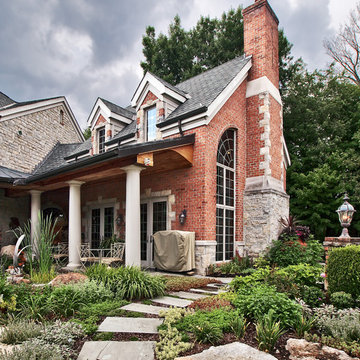
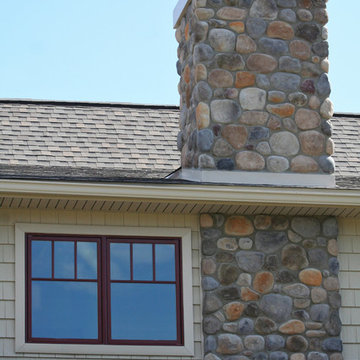
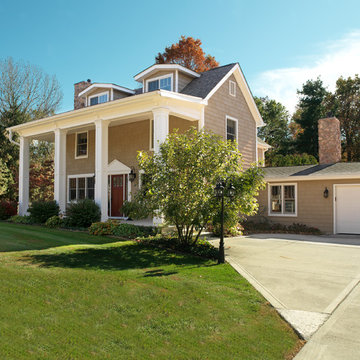
Inspiration for a craftsman green two-story mixed siding exterior home remodel in Philadelphia with a shingle roof
 SUPERIOR CHIMNEY SERVICES CORPORATION
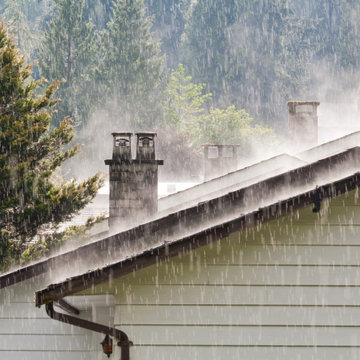
Do you know what ends our time of enjoying the wonderful Fall colors? Rain. The other day when it rained, it took most of those bright yellow leaves and brought them to the ground. It saddened me not only because the colors were gone, but now the leaves have to be cleaned up. And with the trees being larger, those leaves went everywhere. All over the ground, in the tall bushes, stuck on the window sills, lodged in the gutters and up at the chimney. Nature’s going to happen so, what are the effects of Fall rain and the Chimney? Let’s take a further look.
Fall Rain and the Chimney
The Fall leaves are gorgeous and fall is many homeowners favorite time of year. But as with all seasons, it comes to an end. The Fall rain combined with wind takes those colorful leaves and distributes them…everywhere. Especially on the roof where your chimney is located. By having an annual chimney inspection, we’ll take a look to ensure the safety of your chimney stays intact for the upcoming harsher season: Winter.
The Exterior Chimney
With Fall, we have two of the elements to be concerned about and that’s the leaves and rain. Here are a few areas we check and the effects of fall rain and the chimney. Let’s start at the top:
Chimney Cap: The chimney cap is vital for protecting the opening of your chimney which leads to the interior of your home. We inspect the chimney cap ensuring it is tightly secured to the exterior chimney termination. The chimney is typically the tallest part of your home and gets exposed to the harshest winds, rain, snow, animals and blowing debris. All of that hits the chimney cap trying to find that weak spot so it can get inside the chimney. If it does, that debris is easily ignited and can cause harm to your home.
Chimney Crown: This is the slab of concrete that covers the chimney and extends beyond the bricks or materials that make up the chimney. This is to provide protection from the elements. But remember the chimney crown can also develop cracks over time. This is where crown coat can extend the life of the chimney crown ensuring the elements stay where they should… outside.
Brick, Stone and Mortar: The structure of the chimney can be made of brick, stone or other materials. If it is made of brick or stone, then mortar is involved. All of these materials are porous, meaning that it can absorb water and snow melt, which breaks down over time. As a result, this needs to be checked looking for loose bricks, missing mortar, cracks in either one of these materials and more. Tuckpointing is a good solution to ensure the elements stay out. The use of Chimney Saver is a great way to preserve the bricks, stones and mortar as it waterproofs and protects the materials for about 8 – 10 years and slows down the aging process.
Flashing: This is the material that protects the connection of the roof to the chimney. A critical and common area for leaks. The flashing moves the water away from the chimney and down the roof. The flashing adheres to the chimney with a seal, which dries out over time. This area needs to be checked to ensure the seal is strong and doesn’t allow water to get in.
Before the cold sets in and you want to turn on or fire up the fireplace, be sure to take into consideration the effects of fall rain and the chimney. Contact us today at 877-244-6349 to set up an appointment.
 CedarCoast Timber Homes
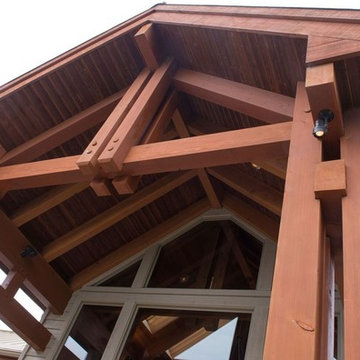
Example of a large mountain style gray two-story vinyl gable roof design in Toronto
Sponsored
Westerville, OH
Custom Home Works
Franklin County's Award-Winning Design, Build and Remodeling Expert
 L&R Suburban Landscaping Inc.
Inspiration for a mid-sized traditional partial sun backyard stone landscaping.
 SUPERIOR CHIMNEY SERVICES CORPORATION
A friend noticed a damp, musty smell coming from her living room fireplace the week after a February thaw. When she called a masonry technician from Superior Chimney, to take a look, and found that water had been working its way behind the bricks for years. What started as a small crack now meant her chimney needed structural repairs before she could safely use it again.
Chimney repairs are any work done to restore the structural and weatherproof condition of a chimney. This can include mortar joint repair, brick replacement, crown repair, flue repair, and cap or flashing replacement. Most Chicagoland homeowners discover the need for chimney repairs often times after winter, when the freeze and thaw cycles have already done its damage. Uncovering the symptoms early is the best way to keep chimney repairs down. Let’s discuss how that can be done.
Why Chicagoland Weather Is Especially Hard on Chimneys
Chicagoland has some of the most polarized weather. One day it’s a blizzard and the next week hot, humid and 100 degrees. That swing in weather conditions and temperatures are the real reasons why chimney repairs are needed.
When moisture from humid and rainy days’ soak into brick and mortar and then freezes, it expands. As it begins to thaw, the materials contract. Repeat that cycle dozens of times in a single Illinois winter and even solid masonry in the chimney starts to crack, spall, and separate from the joints holding it together. This is called the freeze thaw cycle. We’ve talked about it many times over the years, and it continues to be the single biggest reason homes need chimney repairs more often than homes in milder climates.
The Chimney Safety Institute of America (CSIA), the leading nonprofit certifying body for chimney professionals in the United States, notes that water intrusion is one of the most damaging and most preventable problems. If the problem is left to mature, it affects more than the appearance. It compromises the structure itself.
What Do Chimney Repairs Involve?
Not every chimney problem requires the same fix. Chimney repairs generally fall into a few categories. Understanding the difference, helps homeowners have a more informed conversation with the expert technician.
Mortar joint repair or tuckpointing. This involves removing deteriorated mortar between bricks and replacing it with fresh mortar, matched to the original color and texture as closely as possible.
Brick replacement. When individual bricks have spalled, meaning the face has cracked or popped off from trapped moisture, those bricks are removed and replaced.
Crown and cap repair. The crown is the concrete slab at the very top of the chimney. Cracks both big and small let water directly into the chimney flue. Chimney crown repair is often one of the most urgent forms of chimney repairs.
Flashing repair. Flashing is the barrier where the chimney meets the roofline. Loose, damaged or poorly installed flashing is a common source for water leaks. The roof gets the blame as it is the largest piece that covers the house. However, it certainly can be the overlooked chimney.
Flue and liner repair. Cracked flue tiles or damaged liners affect how safely a chimney vents smoke and combustion gases.
When to Know a Chimney Needs Repair
Most chimney damage shows up as small, easy to dismiss way. Let’s take a look at the following list. Be sure to print this out and keep it handy so if/when something happens, you know what to look for.
• Water stains near the fireplace or on the ceiling
• A brownish stain on the wall around your fireplace, or a stain on the ceiling near an exterior chimney. This means water is getting in somewhere it should not.
• Crumbling or missing mortar
• If you can see gaps between bricks, or mortar that flakes off when you touch it
• A leaning or visibly shifting chimney
• A chimney that appears to pull away from the house, even slightly, could indicate a structural issue
• White staining on the brick (efflorescence)
• Chalky white residue left behind as water evaporates out of the masonry. It is a visible sign that moisture is moving through brick
• Rusted damper or firebox components
• Metal parts inside a fireplace that are rusting are a strong indicator that moisture is present
• Debris in the fireplace
• Small chunks of brick, mortar, or tile landing in the firebox
What are the Various Types of Chimney Repair?
This is a compiled list of chimney repairs so you can be aware of what to look for. If you have any questions, contact us directly at 877-244-6349.
Homeowners who schedule chimney repairs at the first sign of trouble typically spend far less than those who wait until water damage reaches the interior of the home. This is a great reason to contact Superior Chimney at 877-244-6349.
Why an Annual Inspection Matters More Than People Think
The CSIA and the National Fire Protection Association both recommend that chimneys, fireplaces, and vents be inspected at least once a year, whether or not the fireplace gets used. This recommendation exists because damage does not take a break just because a chimney sits without any use.
According to data stated by the CSIA, chimney related fires still contribute to tens of thousands of residential fires across the United States each year, and a large share of those incidents can be traced back to deferred maintenance. An annual chimney inspection is what catches the small mortar crack or the hairline crown crack before it turns into a repair bill.
Hiring the Right Company for Chimney Repairs
Not every company who offers chimney repair work has the certified training to diagnose a problem correctly. CSIA certification is the most widely recognized credential in the industry, and it requires technicians to study chimney physics, venting systems, and fire codes. After the studies, the new technician needs to pass an exam and agree to a professional code of ethics.
When you call, be sure to ask:
Are your technicians CSIA certified, and can I verify that certification?
Will you show me photos or video of the damage before starting work?
Does the estimate distinguish between cosmetic repair and structural repair?
At Superior Chimney, we welcome these and other of your questions.
How Chimney Repairs Affect Insurance and Resale
A chimney in poor condition can complicate a home sale or an insurance claim. Home inspectors routinely report on visible mortar loss, leaning chimneys, or missing chimney caps. Some insurers will request proof of repair before renewing a policy on an older home. Addressing chimney repairs proactively protects more than curb appeal. It protects the sale timeline and the claims history associated to the property.
Frequently Asked Questions
How often should a Chicago area chimney be inspected? At least once a year, per CSIA and NFPA guidance, regardless of how often the fireplace is used.
Can chimney repairs be done in winter? Some interior repairs can happen in cold weather, but most masonry repair requires temperatures consistently above freezing. Spring and fall are the most common repair times in the Chicago area.
Is tuckpointing the same thing as chimney repair? Tuckpointing is one type of chimney repair, focused on replacing deteriorated mortar joints.
Does homeowners insurance cover chimney repairs? It depends. Sudden damage from a storm may be covered, while gradual deterioration from lack of maintenance typically is not.
So Finally…
Taking care of your home includes a chimney. Just because you don’t see it every day, doesn’t mean things aren’t happening. Be sure to get a chimney inspection done once per year by a certified and credible company such as Superior Chimney to take care of the issues. Contact us today by calling 877-244-6349.
 SUPERIOR CHIMNEY SERVICES CORPORATION
Standard annual or mechanical Chimney cleaning for gas and wood burning fireplaces typically works to remove any type of buildup as well as checking for the structural integrity of the chimney. Maintaining an annual chimney cleaning will meet the national safety standard set by the NFPA, CSIA, IRC and NCSG, helping homeowners avoid chimney fires and blockages.
Why does safety matter? Did you know that there was a chimney fire in Marengo in January? Or a chimney fire at a Peotone home at the end of March? Or a log cabin fire caused by the chimney in June? That’s just a few that happened in the past 7 months.
Why Does a Chimney Cleaning Matter?
Chimney sweeps also known as chimney cleanings, fireplace cleanings, or fireplace sweeps. Regardless of what you call it, it still means the same thing.
Chimney cleaning for gas and wood burning fireplaces serve 3 key purposes:
confirming structural integrity
removing flammable deposits and
obstruction-free assurance.
Homeowners with gas or wood burning fireplaces benefit from each of these safeguards.
The National Fire Protection Association addresses this directly through NFPA 211, a widely recognized fire safety code. The standard states that chimneys, fireplaces, and vents require inspection at least once a year for soundness, free from deposits, and correct clearances, with cleaning, maintenance, and repairs to be done whenever needed.
This annual requirement applies equally to gas and wood burning fireplaces. Organizations including the Chimney Safety Institute of America, the National Chimney Sweep Guild, International Residential code and the National Fire Protection Association each reference this standard as the requirement for home fire safety.
Free 14-Point Certified Written Inspection
Every chimney sweep completed through Superior Chimney includes a complimentary 14-point certified written inspection along with photo documentation delivered to you by email. This documentation gives homeowners a clear visual record of their chimney system.
The written report covers the condition of the flue liner, smoke chamber, smoke shelf, damper, firebox, chimney crown, and chimney cap, among other components examined during a standard visit. Photo documentation captures each area so homeowners can review the findings independently of the technician’s verbal summary. Written inspection reports allow families to track the condition of their fireplace chimney system over time.
Chimney Cleaning and Structural Integrity
A CSIA Certified Chimney Sweep technician, such as Superior Chimney technicians, visually examines the chimney from the top opening to the firebox below, gaining a full evaluation of the interior.
When chimney rods and brushes pass through the chimney system, loose pieces of fire clay tile, damaged tile joints, or crumbling brick sometimes fall down into the fireplace. This debris can mean there is an integrity problem. By knowing this is a problem, will protect families and their homes. Now it’s time to take care of it and call in a certified chimney technician.
Fireplace Cleaning and Creosote Removal
Creosote, is the technical name for soot. Soot forms as a natural byproduct of burning wood. Smoke traveling upward through the chimney and leaves deposits of creosote along the interior walls. With every fire, a little more gets built up.
The issue with creosote is that it is highly flammable and is the leading cause of chimney fires nationwide. Removing the buildup through regular chimney cleanings keeps a fireplace serviceable for continuous use throughout the spring, fall and winter seasons.
Standard and mechanical chimney cleanings pay close attention to the flue liner, smoke chamber, smoke shelf, damper, and firebox in a single service visit. Superior Chimney performs each fireplace chimney inspection using a no-mess process that protects the home during service. This keeps soot contained within specialized equipment rather than the living room.
An Obstruction Free Chimney
Several conditions create blockages within a chimney system. Bird, squirrel, bat and raccoon nesting material, feces, and debris frequently accumulate inside an unprotected flue, especially during spring and summer months when the fireplace sits unused.
Excessive creosote accumulation or a collapsed chimney liner can restrict proper airflow. Homeowners that address obstructions with a chimney inspection will be able to maintain proper draft and ventilation with their gas or wood burning fireplace. This will reduce the risk of smoke backing into the home.
Gas Chimney Cleaning Compared to Wood burning Chimney Cleaning
Gas and wood burning fireplaces share the same annual chimney inspection requirement. Whether you are burning wood, gas or a “pile of shirts” there is still heat and flame that requires worthy firewalls to protect the home from heat transfer. Fire worthiness and checking the firewall integrity is priority.
Wood burning fireplaces generate creosote that builds along the flue liner with every fire. Gas fireplace systems accumulate lighter deposits along with potential venting obstructions, since gas appliances rely heavily on venting for safe combustion byproduct release. Each system accumulates different residues that need attention.
A CSIA Certified Chimney Sweep technician from Superior Chimney adjusts the specific cleaning approach based on fuel type. However, the same core safety elements apply: structural integrity, deposit removal, and clear airflow.
What Happens During a Chimney Cleaning?
A typical chimney inspection begins with a walkthrough of the fireplace and the chimney on top of the roof, allowing the technician to record any visible concerns the homeowner reported in advance as well as any new findings.
The certified technician then covers the immediate hearth area with protective material before setting up specialized equipment designed to contain creosote throughout the cleaning and inspection.
Chimney rods and brushes pass through the flue liner to loosen and remove creosote deposits along the smoke chamber, smoke shelf, and damper. The certified technician inspects each section closely for loose or crumbling firewall, cracked joints, or other signs of weak structural damage.
A final walkthrough of the firebox and chimney completes the visual inspection. Photo documentation captures each component, and the certified written report is sent to the homeowner by email. This consistent process gives homeowners the documentation they need to compare year to year.
Chimney Cleaning Safety Standards
The table below summarizes the organizations that set national chimney safety standards, along with their specific requirements for fireplace chimney sweeps.
NFPA211
National Fire Protection Association
Annual inspection for soundness, deposit buildup, and correct clearances; cleaning and repairs completed as needed
CSIA
Chimney Safety Institute of America
Certifies technicians through testing on chimney and venting system knowledge
NCSG
National Chimney Sweep Guild
Establishes trade standards and best practices for chimney sweep professionals
How Often Should You Schedule a Chimney Cleaning and Inspection?
CSIA recommends scheduling chimney cleaning and inspection annually by CSIA Certified Chimney Sweeps. This recommendation applies to gas and wood burning fireplaces, regardless of how frequently a household uses the fireplace and especially in freeze/thaw geographic areas.
Regular chimney sweeps save lives, since a clean fireplace chimney rarely catches fire. CSIA encourages homeowners to rely on Certified Chimney Sweeps, as these technicians undergo regular testing on the complexities of chimney and venting systems throughout their careers.
Frequently Asked Questions
What is included in a chimney sweep? A chimney sweep includes the flue liner, smoke chamber, smoke shelf, damper, and firebox, removing creosote while checking for obstructions and structural concerns throughout the chimney system (NOT the ashpit).
How often should gas and wood burning fireplaces receive chimney sweeps? CSIA, NFPA, IRC and NCSG guidelines each call for chimney sweeps at least once a year for gas and wood burning fireplace systems.
Why does creosote removal matter for fireplace safety? Creosote is highly flammable and builds along the interior walls of a fireplace chimney with every fire, creating conditions that lead directly to chimney fires when left in place over time. Creosote is unburned particles from the combustion chamber.
Who should perform a fireplace chimney sweep? CSIA Certified Chimney Sweep technicians complete fireplace chimney sweeps after passing regular testing on chimney and venting system knowledge, meeting the certification standard recognized across the industry.
Does a fireplace chimney sweep remove animal nests and debris? No, a fireplace chimney sweep addresses soot and creosote, while significant nesting material, feces, or collapsed liner debris often calls for dedicated obstruction removal alongside the standard service.
What does the free 14-point inspection include? The complimentary 14-point certified written inspection documents the flue liner, smoke chamber, smoke shelf, damper, firebox, crown, and cap through photo evidence delivered directly by email for homeowner records.
Choose Superior Chimney for Your Certified Chimney Inspection
All service technicians completing chimney sweeps through Superior Chimney hold National Certification through the Chimney Safety Institute of America (CSIA), reflecting the training standard recommended by fire safety organizations nationwide.
Scheduling regular chimney sweeps to clean gas and wood burning fireplace systems protects a home from fire risk, preserves the structural integrity of the chimney, and keeps airflow clear for proper, continuous use throughout the year. Contact us today to schedule a chimney inspection at 877-244-6349.
9