
Search results for "Drawbacks" in Home Design Ideas

 Home Improvement Plus LLC
Example of a mid-sized classic slate floor and black floor mudroom design in New York with beige walls and a white front door


 30A Interiors
Softly washed brick with shades of white along with white wash tongue and groove or as others call it, shiplap. Chandelier is by Currey Lighting! Reclaimed wood furnishings make this home warm and inviting. Linen Slip covered sofas and chairs can be removed and washed! Photography by Fletcher Isaacs
Find the right local pro for your project

 Southview Design
Inlaid Unilock Umbriano pavers with a Unilock Brussels border create an intimate space in front of the fire. The design adds visual interest and defines the space without the drawbacks of outdoor rugs or carpeting. These composite pavers closely resemble natural stone but are non-slip and stain resistant.

 Karndean Designflooring
If you’re looking to create a statement flooring, then look to distinctive visuals of our Scorched Oak. With its striking color variation replicating the look of burnt wood, while boasting none of the practical drawbacks.

 Newtown Builders Inc.
Built in home office with vintage chairs and colorful composite countertop.
Inspiration for a small transitional built-in desk medium tone wood floor and brown floor home office remodel in Seattle with white walls
Inspiration for a small transitional built-in desk medium tone wood floor and brown floor home office remodel in Seattle with white walls


 Jarrett Design
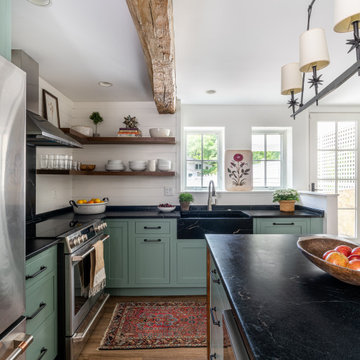
Inspiration for a small cottage l-shaped laminate floor and brown floor enclosed kitchen remodel in Philadelphia with a farmhouse sink, shaker cabinets, green cabinets, soapstone countertops, black backsplash, stone slab backsplash, stainless steel appliances, an island and black countertops


 uniquely yours designs
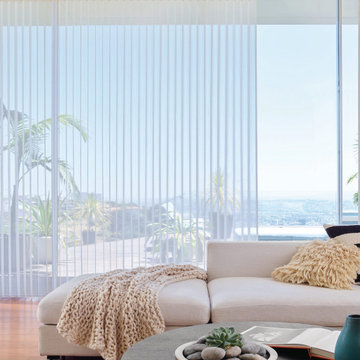
Have sliding glass doors or large windows in your home? Popular in many of today’s homes for their functionality and utility, sliding glass doors and large windows have one pressing drawback: Choosing the right window treatment can be a challenge for many homeowners. While vertical blinds were once the go-to option, there are more diverse options available today. Sheer shades for your sliding glass doors and large contemporary windows.
 uniquely yours designs
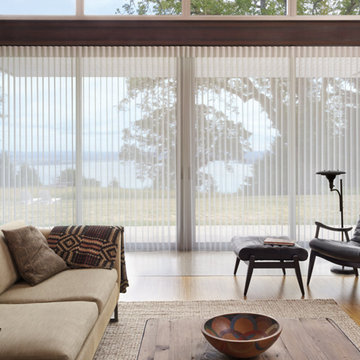
Have sliding glass doors or large windows in your home? Popular in many of today’s homes for their functionality and utility, sliding glass doors and large windows have one pressing drawback: Choosing the right window treatment can be a challenge for many homeowners. While vertical blinds were once the go-to option, there are more diverse options available today. Sheer shades for your sliding glass doors and large contemporary windows.

 Eclectic Design Source
Studio West
Large 1960s master gray tile and stone tile marble floor and beige floor corner shower photo in Chicago with flat-panel cabinets, medium tone wood cabinets, gray walls, an undermount sink and granite countertops
Large 1960s master gray tile and stone tile marble floor and beige floor corner shower photo in Chicago with flat-panel cabinets, medium tone wood cabinets, gray walls, an undermount sink and granite countertops
 uniquely yours designs
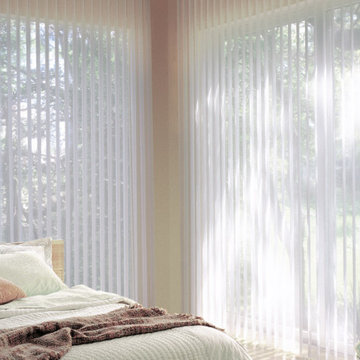
Have sliding glass doors or large windows in your home? Popular in many of today’s homes for their functionality and utility, sliding glass doors and large windows have one pressing drawback: Choosing the right window treatment can be a challenge for many homeowners. While vertical blinds were once the go-to option, there are more diverse options available today. Sheer shades for your sliding glass doors and large contemporary windows.
 uniquely yours designs
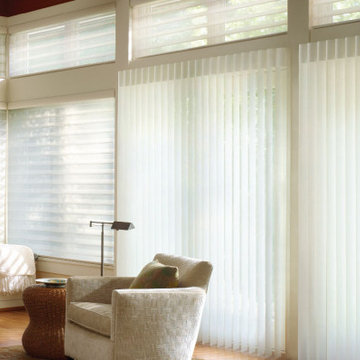
Have sliding glass doors or large windows in your home? Popular in many of today’s homes for their functionality and utility, sliding glass doors and large windows have one pressing drawback: Choosing the right window treatment can be a challenge for many homeowners. While vertical blinds were once the go-to option, there are more diverse options available today. Sheer shades for your sliding glass doors and large contemporary windows.

 Gilley Kitchen + Bath
Coffee bar is perfect for the morning routine and for entertaining. The one drawback is you end up wearing your Barrista hat while your guests queue up for seconds.

 Clark & Co Homes
Doug Petersen Photography
Mid-sized elegant beige one-story mixed siding gable roof photo in Boise
Mid-sized elegant beige one-story mixed siding gable roof photo in Boise
 uniquely yours designs
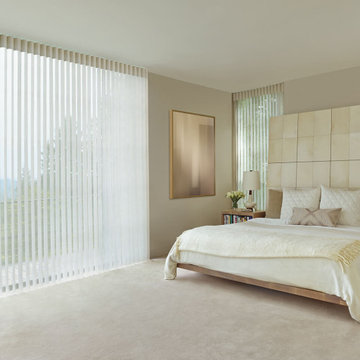
Have sliding glass doors or large windows in your home? Popular in many of today’s homes for their functionality and utility, sliding glass doors and large windows have one pressing drawback: Choosing the right window treatment can be a challenge for many homeowners. While vertical blinds were once the go-to option, there are more diverse options available today. Sheer shades for your sliding glass doors and large contemporary windows.
 uniquely yours designs
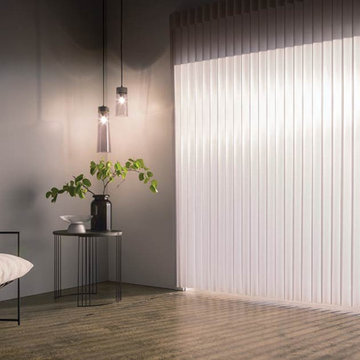
Have sliding glass doors or large windows in your home? Popular in many of today’s homes for their functionality and utility, sliding glass doors and large windows have one pressing drawback: Choosing the right window treatment can be a challenge for many homeowners. While vertical blinds were once the go-to option, there are more diverse options available today. Sheer shades for your sliding glass doors and large contemporary windows.
 uniquely yours designs
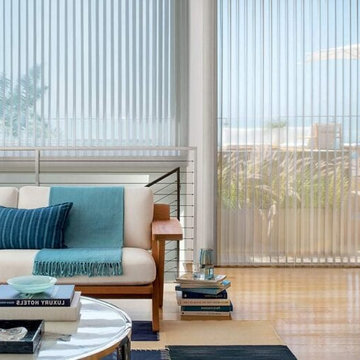
Have sliding glass doors or large windows in your home? Popular in many of today’s homes for their functionality and utility, sliding glass doors and large windows have one pressing drawback: Choosing the right window treatment can be a challenge for many homeowners. While vertical blinds were once the go-to option, there are more diverse options available today. Sheer shades for your sliding glass doors and large contemporary windows.

 Gonyea Custom Homes
Spacious master bathroom with twin vanities. Dedicated water closest separates the toilet from bathing area and provides additional privacy. Separate tub and shower makes each a more spa like experience. Wood-look tiles add natural character without the drawbacks of natural wood.
Photography by Spacecrafting
4